






12 Best Indices to Trade
Best Indices to Trade: Discover 12 key indices with actionable sizing tips and risk controls from Goat Funded Trader to help you scale your trades.

Leverage Trading for Beginners prompts careful selection of market indices that offer tight spreads, reliable liquidity, and clear signals. Traders consider options like the S&P 500, NASDAQ, Dow Jones, FTSE 100, DAX, and Nikkei 225 while balancing volatility with margin requirements. Clear insights into technical analysis, fundamentals, and risk management guide optimal choices among index futures, ETFs, and CFDs.
Practical strategies address managing risk and sizing positions effectively in dynamic markets. Informed decisions come from understanding market behavior and applying measured tactics to each trade. Goat Funded Trader’s prop firm serves as a resource by providing funded accounts and sensible risk limits, enabling the testing of strategies on major indices without risking personal capital.
Summary
- Choose the index that matches your scaling step and timeframe, because the S&P 500 has a market capitalization of over $30 trillion, which keeps slippage and fills reasonably as notional grows.
- Tech-heavy indices reward momentum on shorter intraday horizons; the NASDAQ 100 tracks 100 of the most prominent nonfinancial NASDAQ names, so concentration and chop make tighter stops and shorter timeframes necessary.
- Index trading materially reduces execution friction, with index strategies cutting transaction costs by approximately 30% versus individual stock trading.
- Fee differences compound over decades; index funds commonly charge 0.1% to 0.2%, while mutual fund averages are 1.0% to 1.5%; and the S&P has averaged about a 10% annual return over 90 years, so even small fee gaps matter.
- Passive exposure lowers manager risk but not concentration risk, and over 80% of actively managed funds have underperformed their benchmarks in the past decade, making correlation and top-contributor stress tests essential before increasing size.
- Retail adoption and accessible entry points shift market structure. Index trading popularity rose about 15% among retail investors last year, and investors can start a broad index plan with as little as $100, so liquidity and execution testing become critical as notional scales.
- This is where Goat Funded Trader's prop firm fits in, it addresses scaling and execution gaps by providing simulated institutional-sized capital and clear risk rules so traders can validate sizing, fills, and discipline before risking personal capital.
12 Best Indices to Trade
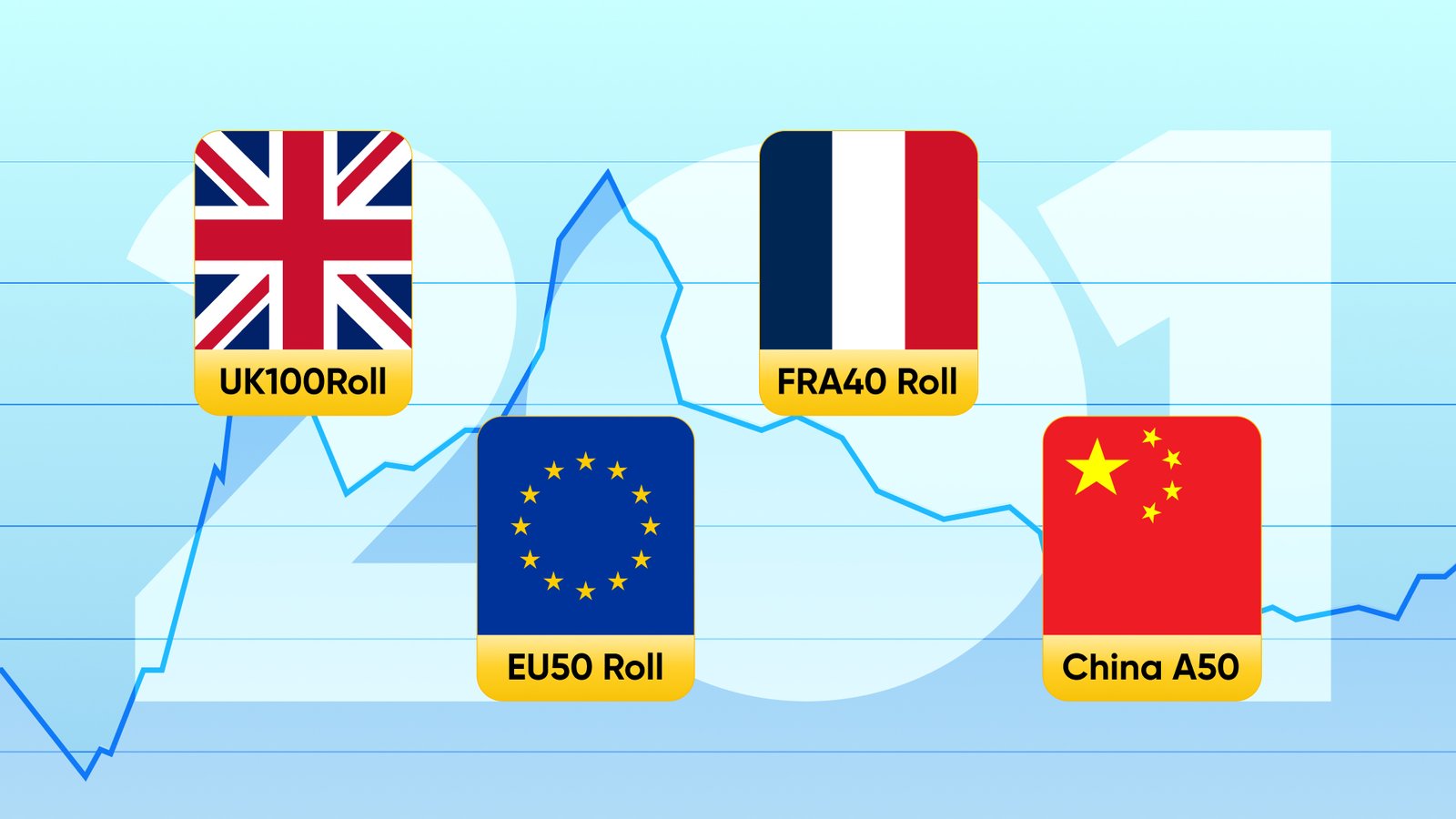
These 12 indices provide concise, tradeable access to the world’s most significant market moves. However, they do not behave the same under leverage; each index has a preferred time frame, liquidity profile, and risk shape that should guide position size and scaling choices. If you're exploring options, our prop firm can help you navigate these indices effectively.
This overview will walk through what each index tends to reward, the practical leverage or time frame that fits it, and the trading habits that scale effectively as one moves from small demo accounts to institutional-sized capital.
When is it safe to scale size?
1. S&P 500 (United States)
When is it safe to scale size? The S&P 500 is a key part of growing investments. It has deep liquidity and steady prices throughout the day. This makes it suitable for traders who follow trends and for those engaged in swing trading as they increase their investment amounts.
Its depth is significant for managing risk. The S&P 500’s market capitalization is over $30 trillion, according to CapitalXtend (2023-10-01). This vast market value helps keep slippage and order fills reasonable, even when trading larger amounts. This means traders can raise their investment on calm days while sticking to strict daily loss limits when the market is more volatile.
Which timeframes and leverage work best for tech-heavy moves?
2. The Nasdaq 100 (United States)
Runs hot and fast, rewarding momentum. However, it also has frequent ups and downs, which makes shorter timeframes and tighter intraday stops usually more effective than wider swing positions.
The Nasdaq’s composition is concentrated; it includes 100 of the largest non-financial companies listed on the NASDAQ stock market, as noted by CapitalXtend (2023-10-01).
This concentration explains its tech-driven bursts. Traders should use this index for rotation plays and volatility-targeted sizing rather than simply increasing size on long holds.
How do industrial cycles change your sizing choices?
2. The DAX (Germany)
Moves based on major economic and industry news, so position sizes should change in line with scheduled announcements and overnight gaps. It has strong futures liquidity during European hours, which is helpful for those who like breakout and earnings-sensitive strategies. However, it's important not to increase position size during major European data releases unless you offset the increased daily risk.
When is it a defensive hedge versus a growth bet?
4. FTSE 100 (United Kingdom)
When is it a defensive hedge versus a growth bet? The FTSE is usually less volatile than the Nasdaq and is closely connected to the energy and financial sectors. This means it can act as a defensive sleeve in a larger multi-index portfolio. If the goal is to grow steadily with fewer daily changes, the FTSE is a good choice for gradually increasing investments while accounting for commodity and currency movements.
Why trade fewer names with significant influence?
5. The Dow Jones Industrial Average (United States)
has fewer companies, which makes it more sensitive to movements in individual stocks. This feature brings both chances and risks, especially when using borrowed money. Traders can successfully use the Dow for trades that depend on events, but it’s smart to be careful with the size of their trades on earnings days. Just one unexpected move from a blue-chip stock can impact the entire index more than you might think.
How should session overlap affect stops?
6. Nikkei 225 (Japan)
How should session overlap affect stops? Asia sessions and overnight risk are essential for the Nikkei. For traders in the US, it is crucial to make the stop framework wider to consider time-zone differences. Another option is to trade futures only during local hours to reduce exposure.
This index is excellent for traders wanting single-session breakouts linked to global industrial flows.
When does the state influence change risk assumptions?
7. Shanghai Composite (China)
When does state influence change risk assumptions? Chinese indices can make big jumps on policy news, so use smaller position sizes compared to your account balance and choose shorter holding times during major policy events.
Think of the Shanghai Composite as a high-risk, high-reward option in your portfolio, where strict loss rules keep your plans safe.
How do multinational revenues alter your directional bets?
8. CAC 40 (France)
How do multinational revenues change your investment strategies? Many CAC companies make money worldwide, so currency and commodity fluctuations can affect prices more than local news.
Because of this, it is essential to keep your correlation checks active. Additionally, consider the benefits of partnering with a prop firm, which can enhance your trading strategies. It’s also smart to reduce your position sizes when there are big ups and downs in EUR or oil prices.
What makes Asia's financial centers different for leveraged trading?
9. Hang Seng (Hong Kong)
What makes Asia's financial centers different for leveraged trading? The Hang Seng is affected by geopolitical events and China-specific factors, which can lead to sharp, rapid price changes. It works well for careful swing trades and hedged momentum strategies, but only if strict risk controls are in place to avoid overnight surprises that could disrupt a scaling ladder.
Why use a global index for stable scaling?
10. The MSCI World Index
helps smooth out country-specific shocks, making it a valuable choice for a carry or base allocation. This index is invaluable for traders who want to try higher-volatility index trades. When the aim is predictable equity exposure that grows with account equity, using a global index reduces the risk that a single region could disrupt a scaling plan.
When should you dial back leverage for small caps?
11. The Russell 2000 (United States)
It is an excellent example of when to reduce leverage for small-cap investments. Small caps amplify both returns and drawdowns, which makes them suitable for increasing size when momentum is obvious. However, they require lower margin multipliers and quicker trailing stops. It's essential to consider Russell's positions as tactical rather than foundational when scaling.
How does trading volatility change sizing rules?
12. The VIX (CBOE Volatility Index)
serves as a measure of market fear rather than a stock you can trade. You can be exposed to the VIX through futures, options, or ETFs, which can lead to significant losses or sudden price swings.
It's critical to use small amounts and strict stop rules when trading the VIX. Also, you should never scale VIX positions the same way you would with normal equity index trades.
Why is practical training necessary for traders?
In coaching traders through simulated programs over six months, a clear pattern emerged: beginners who first focused on moving averages and RSI for timing and practiced risk limits in a simulator consistently reduced whipsaw effects.
This approach improved their ability to scale profits without risking account blow-ups.
Such practical training, combined with realistic trade fills, allows traders to determine whether a system that performs well on a small demo balance continues to behave effectively as the notional increases.
What hidden costs affect scaling decisions?
Most traders start by managing position size with simple rules because they understand them well. This method works until drawdowns build up, which can slow down growth decisions.
As the position size grows, hidden costs become clear, like slippage, emotional pressure, and rule-bending when an overnight gap threatens a goal.
Platforms like GoatFundedTrader offer significant simulated capital, clear risk rules, and organized scaling. This setup lets traders test their execution and discipline at institutional-sized notional levels before putting in real money. This way, traders can reduce the risk of unexpected scaling challenges.
How does index selection relate to scaling steps?
The index you choose to trade should match the scaling step you are on, not your ego. The following section explains how to understand an index's mechanics. This will help you align timeframes, leverage, and risk rules to the account size you really want to scale.
What unglamorous question do traders avoid?
The hard, practical test of whether sizing rules will survive larger capital hinges on one unglamorous question that many traders avoid asking.
Understanding Indices
Understanding indices means looking at the details, not just the top number; you need to know how an index is weighted, which tools follow it, and where liquidity and derivative mechanics put risk as you grow. These structural details show you if a scaling rule that worked with $10,000 will still work with $200,000 or $2,000,000. If you're new to trading with a prop firm, consider how our firm can provide the resources and support you need to navigate these complexities effectively.
How is an index actually weighted?
How is an index actually weighted? Weighting rules decide which stocks carry the risk. Market capitalization weighting gives the biggest companies more influence. Price-weighted indexes let a few expensive stocks affect results, while equal-weighted versions share the risk more evenly.
When we ran a 90-day coaching block with traders using simulated money, we noticed a consistent pattern: traders treated an index move as if all stocks were exposed equally. They were surprised when just a few stocks drove most of the move, forcing them to make last-minute size cuts. This mismatch between expected exposure and actual concentration is what disrupts scaling plans.
Why do ETFs and futures trace the index differently?
ETFs and futures track the index differently for several reasons. ETFs hold baskets or samples of securities, have management fees, and use creation and redemption mechanisms to stay close to their Net Asset Value (NAV). On the other hand, futures contracts are cash-settled and have a roll cost when contracts are replaced.
This difference is essential for leveraged strategies over days and weeks. Tracking error and roll drag can change expected returns and affect margin requirements. During times of volatility, the funding, roll, and financing built into derivatives can turn a profitable intra-day trade into a loser when held overnight.
What happens when correlations and leadership shift?
What happens when correlations and leadership shift? Correlations are stable until they aren't, and when leadership becomes focused on one sector, hedges and portfolio bets can open up quickly.
The NASDAQ Composite grew by 20% over the year, according to VT Markets(2025-01-01), which shows how rallies driven by one sector can quickly erode diversification. Traders who use benchmarks without looking at correlation matrices may find their "safe" index sleeve suddenly acting like a single-stock bet, and that’s when scaling ladders can break.
How should you translate index mechanics into position-sizing rules?
How should you translate index mechanics into position-sizing rules? Matching instruments to the timeframe and liquidity is essential, instead of focusing on ego. Start by looking at the average daily traded volume, the depth at the bid and ask, and the usual fill size for your trading venue.
Measure the realized slippage for a typical order size over two weeks. After that, increase the notional amount in small steps while trying to keep incremental slippage relatively flat. If slippage starts to rise nonlinearly, stop increasing the size, redesign your entries, or consider switching to a different instrument.
What practical checks should you add to your pre-trade checklist?
Which practical checks should you add to your pre-trade checklist? Include instrument-specific items such as the expected spread at your target size, historical slippage quantiles, and nearest-future roll costs if using futures. Additionally, consider the ETF’s sampling method and expense ratio. Implement a correlation stress test to model your nominal exposure if the top five constituents move together.
Ensure stop and daily loss rules scale accordingly to that scenario. By conducting these checks routinely on a consolidated screen, your sizing decisions will become informed rather than mere guesses.
What operational choice affects your trading profits?
That one operational choice quietly determines whether your paper profits turn into real money. Most traders don’t realize its impact until it’s too late.
Related Reading
- Are Small Caps a Good Investment Now
- Can Forex Trading Make You Rich
- How Much Money Do You Need to Start Trading
- How to Start Trading With No Money
- Black Friday Prop Firm Deals
- How Long Does It Take To Become A Profitable Trader
- Which Trading Is Best For Beginners
- Trading Vs Investing
- How to Trade Forex With $100
- Best Market To Trade For Beginners
- Best Timeframe For Swing Trading
- How to Get Free Stocks
How To Invest In An Index Fund
Investing in an index fund follows a practical plan: first, decide on your goals and how long you want to invest; second, choose a well-diversified fund that matches your timeline; and third, set up regular contributions with low costs.
If you do these three things, time and discipline will help you succeed.
You don’t need much money to start investing. According to VendingLab Tech (2024-06-28), investors can start with as little as $100 in index funds. Think of this as a sign that it’s okay to start small and build a habit, not an excuse to put off saving; regular monthly contributions are better than waiting for the perfect time to invest.
When selecting a fund, consider which features are most important. Look past the marketing and focus on three key indicators: fund size and liquidity, how the fund replicates and its tracking error, and its tax/document profile. Prefer funds with more assets because they can lower bid/ask spreads and reduce sudden closures.
For ETFs, pay attention to the average daily trading volume and the usual premium or discount to NAV. For mutual funds, check the minimum investment amounts and whether the fund allows automatic reinvestment. Also, read the section in the prospectus that explains how the fund replicates: full replication and sampling behave differently during market changes, and turnover can reveal hidden tax costs.
Fees should heavily affect your choice, as costs add up over time. Look at total ownership costs, not just the main expense ratios; include the bid/ask spread, possible slippage based on your order size, and any platform fees. Remember that VendingLab Tech, 2024-06-28 mentions that index funds usually have an expense ratio of 0.1% to 0.2%, which is much lower than the average mutual fund’s expense ratio of 1.0% to 1.5%. This difference is vital over many years, so aim for a lower overall cost when you plan to invest for the long term and use a passive strategy.
To avoid surprises when trading ETFs, use limit orders when trading volume is low. Check the real-time spread before making market orders.
If you want to invest large sums, try smaller pilot orders first and track slippage over a week; then increase your investments only if slippage remains proportional to size. For managing dividends, set up automatic reinvestment in taxable accounts unless you need cash, and consider using tax-friendly accounts for long-term investments to reduce tax impacts from trading.
What’s a practical monitoring and maintenance routine?
Establish simple, mechanical checks: perform one annual rebalance when drift exceeds a 5 to 7 percent band. Conduct a quarterly review of tracking error and fund expenses. Set a calendar reminder to ensure the fund's strategy or share class has not changed. Avoid daily tinkering; most harmful decisions come from impatience and impulsive tweaks after short-term losses.
Most investors choose well-known tickers because it feels safe, but that habit hides costs. The common approach is to select the brand-name fund and leave it there, which works at first. As portfolios grow, however, differences in execution, sampling, and tax handling cause noticeable drag. Investors who never test those mechanics end up with higher real costs and unexpected tax events.
Platforms like prop firms give traders a way to confirm execution rules and maintain discipline at larger amounts without risking real capital. This helps them see if a low-cost fund on paper still works well when fills, slippage, and behavioral pressure increase.
What checklist should I use today?
For a practical checklist to act on today, confirm your goal and horizon. Choose the cheapest broad fund that meets your liquidity needs. Set up automated contributions and measure one-month slippage after your first three buys; this helps you understand the actual execution cost.
Goat Funded Trader gives you access to simulated accounts up to $800K with the most trader-friendly conditions in the industry. These conditions include no minimum targets, no time limits, and triple paydays with up to 100% profit split. This tool enables traders to test sizing, execution, and rules at scale before moving real capital. To validate a strategy against institutional-sized notional, consider signing up with this prop firm to Get Access to up to $800 today and 25-30% off.
Why are the benefits of index trading complicated?
While that workable plan seems neat, the next part shows why the benefits of index trading are more complicated and ultimately more powerful than most people think.
Benefits of Index Trading
Index trading provides a more organized way to manage risk, trade size, and psychology. It replaces guessing about individual companies with predictable, instrument-level mechanics. The practical benefits go beyond diversification and liquidity; they also significantly impact how traders execute trades, track costs, and manage exposure as they grow.
How does index trading improve trader behavior and decision-making? When traders change from single-stock strategies to index strategies, their decisions become easier to manage. This simplification leads to fewer strong convictions, allowing traders to focus on process and timing rather than stock picking.
This shift is essential because behavioral errors can grow with larger accounts; little impulses that seem unimportant in a $5,000 account can become significant risks when handling $200,000 or more. In real life, traders who use index-based rules often reduce impulsive behavior and stick to position-sizing strategies that can be tested in simulations, making scaling much more systematic and repeatable. It is like moving from navigating a wild river to going through a controlled canal; the control remains, but the risk of danger is much lower.
How does index trading change execution and capital efficiency?
Indices allow easier management of margin and funding by using a single traded instrument instead of many. This makes planning executions simpler and reduces hidden issues. This simplification leads to tangible benefits: according to the International Sustainable Development Observatory (2025-08-25), index trading lowers transaction costs by about 30% compared to trading individual stocks.
This difference helps improve realized profit and loss (PnL) when there are many trades or when the amounts traded are large. In short, spending less time on multiple fills results in a lower total cost per dollar traded, and this efficiency increases as trading volume increases.
Why are more traders choosing indices now?
Market preferences are changing toward consolidated exposure and operational simplicity. This change is apparent in the adoption data: the International Sustainable Development Observatory (2025-08-25) reports that index trading has seen a 15% increase in popularity among retail investors over the past year. This shift shows both easier access to financial markets and changing trader priorities.
The rising adoption rates are essential for liquidity and product innovation. As demand increases, more customized index products and derivatives are created, making it easier for traders to find tools that fit their specific timeframes and scaling goals.
What tradeoffs should you consider before you scale?
Indices reduce single-stock headline risk, but they also compress market leadership. As a result, your risk profile changes from unique stock drops to correlation and regime risk. This change means you need to watch correlation patterns and sector concentration just like you used to keep an eye on earnings calendars.
A complete checklist should include realized slippage at your target order size, the derivative roll characteristics for futures or leveraged ETFs you use, and a correlation stress test for the top contributors. These failure modes usually appear only after you increase the notional.
What about values and unwanted exposure?
This is the emotional piece that many traders do not think about. Investors often feel stuck when broad indices contain companies they do not want to support or fund. This conflict changes how they allocate their funds. The pattern shows up among both retirement-focused investors and active traders.
When companies clash with personal or ethical beliefs, people either stop using indexes altogether or look for custom sleeves that omit specific names. This need has led to the creation of ETFs and funds with exclusionary filters. It also changes how investors size their index exposure if they want to avoid specific sectors or names.
How can index trading impact your foundation?
Think of index trading as laying a strong foundation for your trading house. This base shows structural problems before you start taking prominent positions. While a good plan is still essential, the base gives you time to change and fix how the loads are handled.
What realities influence long-term returns?
That neat framing holds until one faces the tax, timing, and rebalancing realities that ultimately determine long-term returns.
Related Reading
- How to Make Money in Forex Without Actually Trading
- How to Stop Overtrading
- How to Become a Successful Day Trader
- Swing Trading Strategy
- Most Profitable Trading Strategies
- How Much Can You Make Day Trading With 100k
- How to Start Day Trading With $500
- Risk Management for Traders
- How Much Money Do I Need to Start Day Trading
- Swing Trading vs Day Trading - Which Is More Profitable
- Best Pairs to Trade in Forex
- Trading Risk Management Tools
Key Considerations For Investing in Index Funds
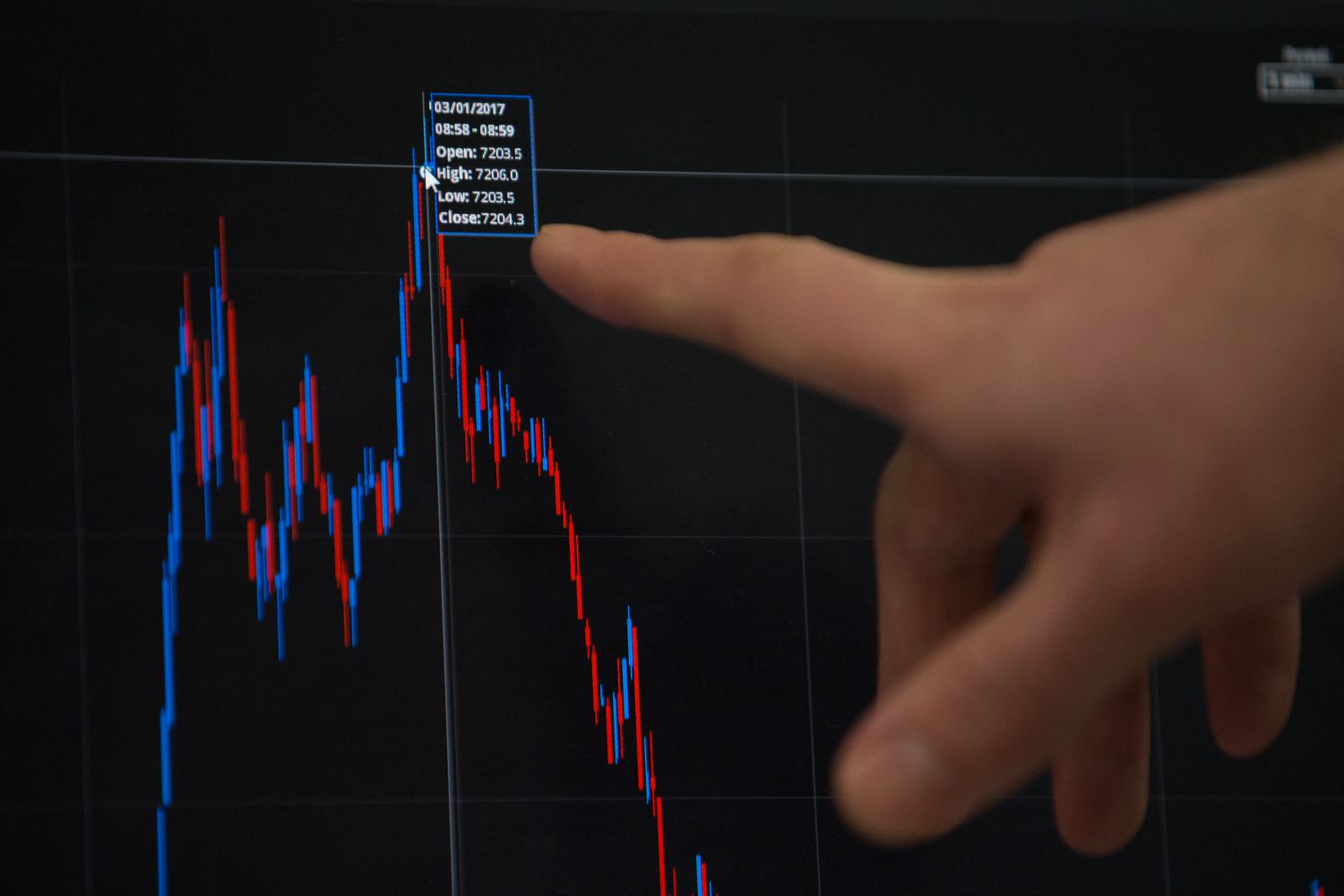
Start with loss control, tax, and structural risk, then test the fund’s behavior at the exact size and holding period you plan to trade. Those three checks decide whether an index fund is a reliable tool or a hidden liability when you scale position size.
What horizon will this fund actually serve? If you expect to hold it for decades, your focus shifts from daily spread to long-term compounding and tax efficiency. The point is not just a theory: the S&P’s long-term power confirms why equities are a foundation for long horizons. As Bankrate (2023-10-01 reports, the average annual return of the S&P 500 over the past 90 years is about 10%. This explains why minor cost differences can lead to significant outcomes over the course of decades. For shorter horizons, focus on liquidity, the mechanics of creation and redemption, and how dividends and distributions are handled. These operational details can change realized returns much more than tiny fee differences.
How will the fund behave in market stress?
Stress shows what prospectuses might hide. Think about how tracking error got bigger during past market downturns and whether the fund used sampling, securities lending, or synthetic replication to meet its benchmark.
While sampling can reduce fees in regular markets, it often increases tracking error when just a few securities drive market movements. You should also check the list of authorized participants and see whether the ETF has strong AP coverage, because limited access can lead to ongoing premiums or discounts during stress.
Imagine an index fund like a bridge: strong in fair weather, but its supports are put to the test in a flood. Plan your position stops and maximum notional with this risk in mind.
What costs matter beyond the expense ratio?
The headline fee is just one part of a bigger cost equation. Your real cost will also include bid-ask widenings based on your order size, market impact as you increase volume, and FX conversion fees on international funds.
Additionally, consider any capital gains distributions a mutual fund may incur when it rebalances.
For large amounts, it's essential to check the fund's market depth, average daily volume during the period you trade, and securities lending practices, as these factors can impact net returns.
A helpful rule is to estimate the round-trip cost by simulating fills over several trading days during typical market fluctuations. This result should be seen as the expense that affects your PnL.
How do concentration and index-method changes change your risk?
Indices undergo reconstitution, and index providers change how they operate; these changes can affect exposure overnight. For instance, imagine a situation where the top five components move together. Check if your stop rules and daily loss limits still work in this scenario. While passive exposure lowers manager risk, it remains significant because over 80% of actively managed funds have underperformed their benchmarks over the past 10 years, as noted by Bankrate (2023-10-01).
However, passive funds still face concentration and regime risk that active managers might not. Think of reconstitution dates as necessary system tests instead of just calendar dates. Doing a practice trade around these dates can help you see how execution and slippage work.
What operational checklist actually stops surprises?
Don’t rely on intuition. Before scaling, it is essential to take these four actions: check the fund’s most significant contributors and simulate a concentrated-mover stress; confirm the AP and creation/redemption mechanics listed in the prospectus; measure round-trip slippage at your target notional over several sessions; and verify the fund’s structural debt, counterparty practices, or securities-lending strategies.
Each of these items connects an operational fact to a rule that can be measured and enforced. This approach turns vague confidence into disciplined limits, enabling scalable growth step by step with a trusted prop firm like ours.
What tax and structural wrappers should I prefer?
Select the share class and wrapper that suit your account type and trading style. Exchange-traded funds (ETFs) often allow in-kind redemptions, which can lower taxable events. On the other hand, switching mutual fund share classes may trigger distributions, which can lead to unexpected tax liabilities.
If you're looking for international exposure, consider using currency-hedged share classes to separate equity beta from foreign-exchange noise. Otherwise, consider how unhedged currency movements can affect multi-year returns. It's essential to check the tax lots and distribution history before buying; the tax profile will differ for frequent rebalancers compared to buy-and-hold investors.
What framework helps manage scaling effectively?
Most traders manage scaling by using spreadsheet increments because this method feels controllable. However, it hides the real costs as size grows. As order sizes increase, factors such as execution friction, emotional pressure, and operational assumptions can undermine performance.
Platforms like Goat Funded Trader let traders step through that break point with realistic simulated capital and clear risk rules. This framework gives a way to check whether execution assumptions and position-sizing ladders can handle institutional-sized fills before real capital is at risk.
What final choice should traders confront?
This practical clarity reveals a final choice that most traders often avoid.
Related Reading
- CFD Trading
- CFD How It Works
- CFD Broker
- CFD Meaning
- CFD Simulation
- CFD Analysis
- CFD Trading Platform
- CFD Account
- CFD Modeling
- CFD Forex
- CFD Online
- CFD Trading App
- Regulated CFD Brokers
Get 25-30% off Today - Sign up to Get Access to Up to $800K Today
Most traders start on small demo accounts because they think it's low risk. However, this feeling of comfort often masks execution and liquidity issues that only surface when trading with real money. So, considering Goat Funded can be a wise choice. You can try out larger simulated accounts, set clear risk rules, and access faster funding. This way, growing your accounts becomes a careful process instead of a gamble.
Be Great and get the App