






Understanding CFD Meaning
CFD Meaning explained: Trade price moves using leverage with intelligent risk control. Get clear strategies and execution tips from Goat Funded Trader.


Market volatility prompts traders to explore ways to profit without owning the underlying asset. Contracts for difference enable positions on stocks, forex, commodities, and indices using margin and leverage. Leverage trading for beginners benefits from a clear grasp of spreads, overnight financing, and margin calls, which are essential for managing risk in these transactions.
Understanding these fundamentals paves the way for practical, disciplined trading and strategic decision-making. For hands-on experience with real market access and enhanced capital protection, Goat Funded Trader’s prop firm offers a funded account to support a trader's journey.
Summary
- CFDs let traders control much larger positions with a smaller cash outlay, so a 1 percent move in the underlying can equal a much larger percentage move in your account, which helps explain why over 90 percent of CFD accounts lose money.
- Execution quality determines PnL more than edge alone. A 90-day simulated coaching program found that traders who defaulted to market orders during high-volume periods bled performance due to slippage and partial fills.
- Leverage can be extreme, with some brokers offering up to 500 times initial margin, so maintenance margin rules and forced liquidation sequencing are live constraints that can produce fills worse than planned stops.
- Demo environments hide scale problems; therefore, run a 7-day execution stress test and record standardized fills and screenshots (for example, 1340x900) to validate platform stability and realistic slippage before increasing allocation.
- Operational risk controls matter most for survivability, use explicit splits such as a 70/20/10 allocation for core, experiment, and reserve pools, and size the reserve at 2 to 4 times your average daily loss to cover maintenance margin moves.
- Behavioral brakes, along with systematic stops, reduce catastrophic outcomes. Finder notes that stop-loss orders can cut potential losses by up to 50 percent. In comparison, over 70 percent of retail CFD accounts lose money, which supports rules like cooldowns and hard daily loss caps.
- This is where Goat Funded Trader's prop firm fits in; it addresses the rehearsal gap by offering funded simulated accounts and live-like execution so traders can validate margin, spread, and financing mechanics before scaling.
What is a CFD?

A CFD is a contract that allows trading on the price movement of an asset without owning it. Traders use margin to control a larger position with a smaller amount of money. Profits or losses come from the difference between the prices at which they enter and exit the trade. This difference, boosted by leverage, is what makes CFDs both powerful and risky.
If you are interested in trading beyond CFDs, consider exploring options with a reputable prop firm.
How does leverage actually change the math and psychology?
Leverage turns a small amount of money into exposure that feels like a full-sized position. As a result, a one percent move in the underlying asset can cause a much larger percentage change in your account. This shows how important it is to focus on position sizing and stop rules rather than just predicting the market. Traders should see size as a fixed rule rather than a guess.
Consider steering a small boat through narrow channels at high speed, where even slight steering errors can cause significant changes in direction. It is vital to create position-sizing templates that traders follow without thinking. Data from several proprietary trading programs shows that using rule-based sizing helps avoid significant losses that can disrupt momentum.
What costs and market forces change how a CFD behaves?
You pay for spread, and for holding positions past the trading day, you pay financing. Plus, there is slippage in volatile markets and occasional liquidity gaps. Macro moves change those pricing inputs fast. This is why “The global CFD trading landscape is being influenced by everything from monetary policy tightening to political instability.” Published by Finance Magnates in 2023.
This point explains why central bank decisions and geopolitical shocks can widen spreads, change margin requirements, and shift intraday liquidity. All of these factors change execution outcomes for a levered trade.
How should you practice CFD mechanics without learning the hard way?
Most traders practice on different demo accounts because they are familiar with them and low-cost. While this approach might seem practical at first, it masks problems with scaling up. Execution consistency, platform stability, and realistic risk rules often do not match the conditions of live trading. As a result, traders may develop bad habits that can cause problems when capital increases.
Platforms like Goat Funded Trader help with this by providing large simulated capital pools of up to $2M, technology made for stable execution, a clear scaling program, and quick payouts on request. This lets traders practice the exact discipline and execution rhythm needed to turn consistent performance into real withdrawals.
Can CFDs be used for more than pure speculation?
Yes, they are practical for hedging and portfolio insurance because they reflect price changes without the difficulty of owning the actual asset. Local fiscal or regulatory changes can affect the economics of those hedges. This explains why “In South Africa, actions such as the VAT adjustments and other fiscal reforms add to the complexity.”
This 2023 comment from Finance Magnates shows a general rule: regional tax and regulatory changes can change overnight costs and the overall cost of maintaining hedges. Therefore, always check the local rules before depending on CFDs as a reliable form of insurance.
What risk controls matter when you run a consistent plan?
Stop placement, maximum daily loss limits, and cadence-based position sizing are essential. Execution consistency is more important than forecasting skill when the goal is steady growth and predictable payouts.
Create rules that handle mistakes by assigning a fixed portion of simulated equity to each position, limiting daily losses, and using checklists for entry, stop, and exit. These strategies help turn a repeatable edge into scalable performance, which is precisely what prop-style programs expect.
How do execution details change the risk profile of every trade?
This makes sense, but the real surprise is how the execution details can significantly change the risk profile of each trade.
How Does CFD Trading Work?
.jpeg)
CFD trading happens through your broker’s order matching. The main factors affecting results are execution quality, margin maintenance, and how financing and corporate changes affect positions.
You can manage these factors, but you need to treat execution as a system that you measure and improve, not just something you check now and then. For those interested in trading with a prop firm, our Goat Funded Trader helps you navigate these complexities effectively.
How do order types and execution actually affect wins and losses?
A 90-day simulated coaching program showed a clear pattern: traders who used market orders during busy periods saw their performance drop due to slippage and partial fills. Limit orders, stop-limit combinations, and guaranteed stops each present a trade-off between fill certainty and price certainty.
To know which to use, look at normal intraday liquidity rather than just guessing. By treating order choice as a technical rule in your plan and using post-trade analytics, you can avoid execution noise appearing as a real advantage.
Why do overnight financing and adjustments widen unpredictably?
The same macro pressures that change yield curves and risk premia also change the cost of carry for leveraged positions. This is why Finance Magnates pointed out that policy and political moves are key drivers of that variability.
Practically, your overnight financing, dividend adjustments, and margin buffers can change during central bank shifts or surprise events. Therefore, model worst-case funding costs into your sizing and run scenario checks around policy calendars.
How should traders control position correlation and portfolio exposure?
To achieve predictable scaling, traders should limit directional exposure across correlated pairs. It's essential to view net exposure as a limitation rather than focusing solely on the risk per trade. Use rolling correlation windows, apply volatility scaling, and run stress tests involving multiple instruments simultaneously. Hidden concentration can quickly harm a successful trading strategy more than a single bad decision can.
In practice, traders should turn correlation and volatility into an exposure budget. This budget should be divided according to the advantages of each position, and traders should adjust their positions as volatility changes rather than relying on gut feelings.
What are the hidden costs of practicing on scattered demo accounts?
Most traders practice on different demo accounts because it feels familiar and is inexpensive. This works at first, but there is a hidden cost: as you grow, your performance splinters. You may face inconsistent execution, unstable platforms, and differences between demo rules and real-life constraints.
These issues can quietly reduce your gains. Platforms like Goat Funded Trader provide large simulated capital pools up to $2M, in-house technology for stable execution, a clear scaling program, and quick payouts whenever you need them. This gives traders a practice area where the challenges match the risks of scaling.
Where do stops fail you when markets move fast?
Stop placement often fails when traders focus too much on round numbers instead of where liquidity exists. The frustration of seeing price move against your entry is not just a psychological issue; it’s about order flow interacting with existing liquidity.
Think of stops like ropes on a pier, not like magic spells. Place them below clear structural support, or use volatility-based buffers so that a normal intraday swing does not trigger a forced exit.
How do you validate execution before increasing real risk?
To validate execution effectively, test with the same friction you expect at a larger scale. This means running a tick-level simulation and measuring realized slippage for each venue and every hour. Also, audits are performed by taking consistent screenshots and logs at a standard resolution. For instance, using a 1340x900 image size for chart and trade snapshots will help keep your audit trail readable and repeatable.
Treat the simulation like flight training, not a video game: log every difference between expected and actual fills.
Change the rules and increase allocation only if slippage metrics remain steady across cycles.
What awkward question remains about your trading strategy?
That solution still leaves one strange, personal question unanswered.
This question changes how someone begins the next chapter.
Related Reading
- Are Small Caps a Good Investment Now
- Can Forex Trading Make You Rich
- How Much Money Do You Need to Start Trading
- How to Start Trading With No Money
- Black Friday Prop Firm Deals
- How Long Does It Take To Become A Profitable Trader
- Which Trading Is Best For Beginners
- Trading Vs Investing
- How to Trade Forex With $100
- Best Market To Trade For Beginners
- Best Timeframe For Swing Trading
- How to Get Free Stocks
What is a CFD Account and How Can I Open One?

To open a CFD account, you need to register and pass KYC checks. After you add money to the account, select the correct account type and margin settings before you start trading.
Using a short, repeatable checklist helps ensure the setup process does not become the weak point in your execution plan.
What documents and checks will the broker ask for?
Brokers usually need several documents and checks. You should be ready to submit a government ID, recent proof of your address, and evidence of funds for the specific deposit method you choose. Also, a short suitability questionnaire will check your experience with leveraged products. Verification usually takes 24 to 72 hours if your documents are all complete.
Some quicker platforms give status updates, so you won't have to wonder if a missing page is causing the delay.
Which account type fits your goals?
Decide between a retail account and a professional classification based on factors like how often you trade, the size of your portfolio, and the rules that come with each type. While having a professional status can give you more leverage, it often means you lose some protections that retail accounts offer.
Choose the account with rules that encourage discipline rather than one that just satisfies your desire for risk-taking.
How much capital and fees should you plan for?
It is essential to be realistic about startup costs. Brokers often add spreads, commissions, overnight financing, and periodic inactivity fees to deposits. So, it is necessary to check the fee table before funding an account. Many brokers set a live entry point for new accounts.
For example, IG International, "Minimum deposit to open a CFD account is $250." This amount is crucial as you plan how quickly you can move from practice to a funded account. Additionally, it affects the size of your initial trades by accounting for commissions and slippage.
How do you validate execution and platform stability before scaling?
Validating execution and platform stability is essential before scaling. Start by doing a short execution audit. Place small live trades at target times, write down the fills, and compare what you expected with what actually happened, including slippage across sessions. Test different order types and make sure API connectivity works well if you're using algorithms.
Also, check how withdrawal routing works and create a forced-fail scenario, like a quick reconnection. A stable platform is crucial since it helps keep your trading advantage when markets get noisy.
What regulatory and safety signals should you verify?
Confirm that client money is held in segregated accounts and determine if the broker offers negative balance protection in your jurisdiction.
Next, read the product disclosure to understand how margin calls, corporate events, and re-quoting are managed. Additionally, check the dispute and withdrawal SLA, as a fast, documented withdrawal path serves as the final proof that the operational plumbing works effectively.
How should you move from demo to live without breaking momentum?
Moving from demo to live trading requires careful planning to maintain momentum. Treat the first 30 live trades as a data collection phase, not just a quest for profits. Keep your position sizes limited and record every trade, including its reasons and results.
Also, test a real withdrawal early to check cash-out mechanics. If your live edge can successfully manage small, documented challenges, you can grow using the same rules and pace that produced the initial positive results.
What is the risk reminder, and what is the practical posture?
Risk reminders and a practical posture are essential for traders. Regulators and industry data show that outcomes can be harsh, so it's important to keep rules simple and easy to follow. According to IG International, "Over 90% of CFD accounts lose money." This statistic from 2023 highlights the need for a plan that can be repeated and that focuses on drawdown control and repeatability rather than trying to get a big, fragile win.
What is the quick pre-launch checklist?
A quick pre-launch checklist includes the following steps:
- Complete KYC and enable two-factor authentication.
- Confirm fee schedules and withdrawal timelines.
- Run a 7-day execution stress test with small live trades.
- Log fills and compute realized slippage; then adjust order types.
- If you plan to switch account types, document the added legal exposures and tax changes.
What is Goat Funded Trader and its benefits?
Goat Funded Trader gives you access to simulated accounts up to $800K with the most trader-friendly conditions in the industry. There are no minimum targets, no time limits, and triple paydays with up to 100% profit split. Join over 98,000 traders who have already collected more than $9.1 million in rewards. A 2-day payment guarantee backs this.
Sign up to Get Access to up to $800 today with 25-30% off, and see how a prop firm path can speed up your learning curve.
What is the unresolved question about trading positions?
This setup still leaves one question unresolved. It fundamentally changes how someone thinks about every position taken.
What Is Leverage in CFD Trading?
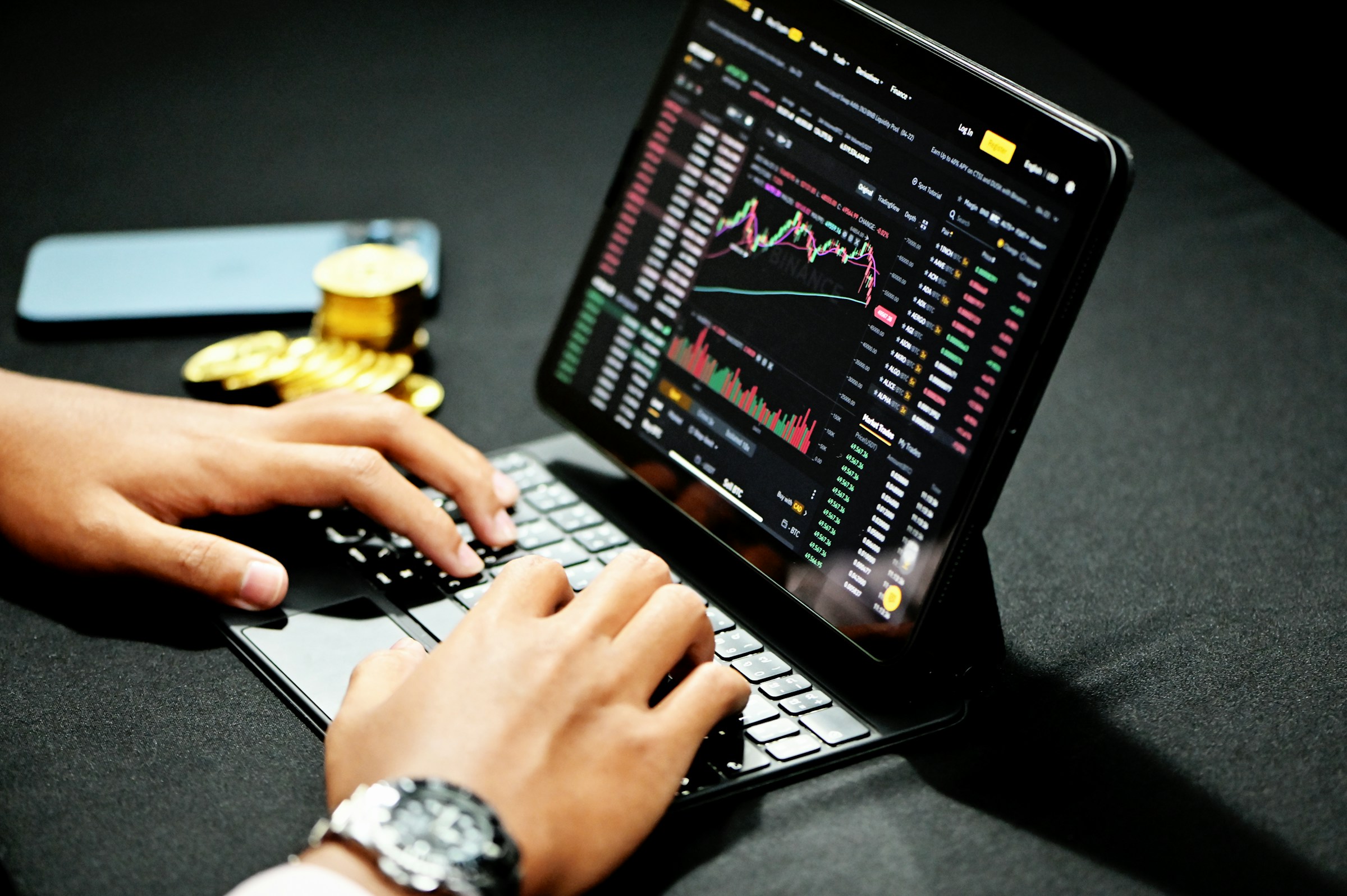
Leverage raises the stakes, not just the size of each position. It influences how one survives a run of bad trades, how orders are sized, and how operational frictions, such as fills and gaps, translate into actual equity moves. Those trading with leverage should prioritize survival over profit.
How do maintenance margins and liquidations work in real time?
Maintenance margin is the hidden line that decides whether a position stays open or gets closed. It changes with price, volatility, and broker policy. When the cost exceeds that maintenance threshold, brokers trigger an automatic process: a margin call notice is sent, funds must be added, or exposure cut back, followed by forced liquidation at the next available price.
These fills may be worse than the stop set because markets can gap. So, the math of stop placement must account for illiquidity rather than assuming ideal execution. Tracking realized liquidation slippage as a separate KPI is essential, as a single gap can wipe out several winning days.
When does leverage shift from a helpful tool to a danger?
This happens when leverage boosts exposure and fragility. Some brokers even offer extreme multipliers.
According to Equiti, "Leverage allows traders to open positions that are larger than their actual investment, sometimes up to 500 times the initial margin." Recognizing these offers is essential; a single surprising market move can disrupt any untested stop plan. The practical lesson is clear: higher leverage compresses the margin for error, making execution noise, latency, or a thin market a potential systemic threat.
How should position size change as volatility shifts?
If volatility doubles, your notional should not. Use volatility scaling to keep your dollar risk per trade the same while the notional changes with realized ATR.
A good way to do this is to use sizing rules based on a fixed portion of your account equity, which is then translated into dollar risk.
After that, back-calculate contracts using ATR and spread-adjusted entry cost.
This method keeps your win-rate and edge assumptions stable by focusing on what really matters: dollar risk, not just vanity exposure.
What are the risks of increased leverage?
This is the familiar approach, and it works early on, but it breaks as you scale. Most traders increase leverage when returns look good because it feels efficient, and that makes short-term performance look cleaner. The hidden cost is leverage creep, where gradual increases in notional amplify correlation and leave less room for execution error.
Platforms like Goat Funded Trader let traders practice scaled rules against large simulated capital pools with realistic margin maintenance and liquidation behavior, so you can see how a 1 percent policy change cascades at scale without risking cash.
What operational rules stop small mistakes from becoming account-enders?
Treat a buffer for margin as mandatory capital, not optional spare change. Maintain a pre-funded cushion several times your average daily loss, and set automated alerts for realized slippage every hour. Enforce a strict limit on incremental leverage increases each week.
Run a simple Monte Carlo simulation of losing streaks based on your worst 12 months of intraday moves to find out the maximum loss you can handle before stepping back. These operational rules effectively change theoretical risk limits into fundamental protections.
How do disciplined rules impact trading performance?
This pattern is evident in both prop-style programs and solo accounts: disciplined rules survive through ups and downs, while loose regulations do not. When coaching traders through practice funding cycles, the ones who fail the fastest are not simply those who choose the wrong edge.
Instead, they are the ones who ignore the importance of taking a break: they must set a stop in dollars, fix position sizing in a template, and not change sizing during a session after an emotional win or loss. That rule about behavior prevents leverage from becoming a source of overconfidence.
What small experiments should you run to validate your leverage plans?
Run three controlled rehearsals over two weeks: a day with high liquidity, a scheduled news day, and a day with thin trading. Use your target leverage and make sure to log everything, including fills, slippage, and margin changes.
Treat the results as test flights, not judgments. If your practice runs show rapid margin depletion on the thin trading day, you might need to lower your leverage, widen your stops, or set aside a larger buffer in advance. Keep refining your approach until the worst-case run stays within your hard drawdown limit.
What psychological issues arise after operational fixes?
A clear next problem emerges after these operational fixes, and it is more psychological than technical.
Related Reading
- How to Make Money in Forex Without Actually Trading
- How to Stop Overtrading
- How to Become a Successful Day Trader
- Swing Trading Strategy
- Most Profitable Trading Strategies
- How Much Can You Make Day Trading With 100k
- How to Start Day Trading With $500
- Risk Management for Traders
- How Much Money Do I Need to Start Day Trading
- Swing Trading vs Day Trading - Which Is More Profitable
- Best Indices to Trade
- Best Pairs to Trade in Forex
- Trading Risk Management Tools
Best Risk Management Strategies To Use When Trading CFDs

You need layered, operational risk controls that stop losses from becoming crises, and behavioral brakes that keep leverage from creeping up when you feel good. Build capital partitions, automatic risk gates, and regular stress tests into your trading week so your account can survive the surprises while you keep practicing an edge.
How should I split capital so one mistake does not end the run?
Treat your equity like a ship with watertight compartments. Then, allocate your funds accordingly: a core trading pool for your tested rules, an experiment bucket for new ideas, and a margin reserve that you never touch for routine draws.
Many traders find a practical split is about 70 percent core, 20 percent experiment, and 10 percent reserve.
Size the reserve to be at least two to four times your average daily loss to cover maintenance margin moves. This reserve acts as an operational buffer, not idle cash. You should only top it off after a sustained green run, never during a losing streak.
What automatic risk gates stop emotional scaling?
Implement strict programmatic limits that cannot be changed by impulse. These limits include a daily account loss cap, a maximum number of consecutive losing trades that prevent new entries, and a weekly leverage ramp that only activates when performance measures meet set thresholds.
For example, require a 24-hour cooldown after exceeding a hard daily loss of 0.75 percent of equity, and block any increase in notional until you complete 50 normal trades under the new size. These limits change emotional reactions into manageable events, forcing a structural pause before any increased risk can happen.
How do I make stop placement and exit rules adapt to real market conditions?
Use liquidity-aware templates rather than relying solely on your gut feelings. Create stop windows that are linked to intraday depth and the adjusted Average True Range (ATR). Add a spread buffer that widens during hours of low liquidity, and mark times when your stop would fall within the next visible order cluster.
In a recent 60-day coaching cycle with funded candidates, a pattern emerged: traders who used a template combining ATR, spread, and order-book checks experienced fewer late-session whipsaws. These strategies helped them save mental bandwidth for executing trades rather than doing rescue trading. Think of stops as essential safety procedures, not just as hopes.
Why test worst-case scenarios before you scale?
Markets can experience gaps, and human reactions often lag behind.
It is essential to run three stress tests each month: a tail-event simulation with increased slippage, a funding-cost shock in which overnight carry triples, and a liquidity contraction in which fills execute at the worst historical spreads.
These simulations should translate into clear consequences. For example, determine the number of days required to recover from a 5 percent drawdown under current win-rate and sizing rules. This metric shows whether your plan is survivable or theoretically elegant.
How do you centralize risk management for complex trading?
Most traders manage risk with spreadsheets and alerts they create as needed. This way may work well at first, but as positions and margins become more complicated, spreadsheets can get messy, and alerts might be missed. As a result, unexpected margin calls can lead to emotional reactions.
Platforms like Goat Funded Trader bring together simulated funding, realistic margin mechanics, in-house stable execution, and clear scaling rules. This forms a practice environment where traders can rehearse risk gates, cushion behavior, and withdrawal mechanics in the same conditions they will encounter when trading at a larger scale.
How do you stop the pressure to “make back losses” from destroying discipline?
The pressure to recover losses is similar for both funded candidates and those trading on their own. Traders often tighten their stops, use more leverage, and focus on getting back their losses rather than maintaining a disciplined strategy. To fight this, create a set of rules to follow. For example, you could have a rule requiring a 24-hour cooling-off period after any loss exceeding your daily limit.
Also, make it a point to write down three reasons before increasing your trading size. Consider having someone outside your trading, such as a coach or a peer, hold you accountable. You can do this by sending them a screenshot of your pre-trade checklist.
These simple steps can turn quick decisions into thoughtful and well-documented choices. If you're looking to leverage your skills, check out the benefits of our prop firm options for additional support.
Do stop orders actually help, or are they a false comfort?
Stop orders work well when they're part of a system for executing trades, but they don't work like a magic fix.
According to Finder, "Using stop-loss orders can reduce potential losses by up to 50%." Using them regularly can significantly reduce the risk of losses when combined with liquidity-aware placement and slippage assumptions. It's a good idea to connect stop rules with automated tracking that checks realized exit slippage. This helps traders adjust their stop levels based on market conditions instead of just guessing.
Why be so strict about early-stage failure rates?
The math is brutal for undisciplined traders. According to Finder, "Over 70% of retail investor accounts lose money when trading CFDs." 2025: This isn't just luck; it is the result of poor trading practices. Most setups lack institutional operational controls and behavioral brakes. This statistic supports a survival-first approach, where the main goal is to keep trading and then to build on an advantage.
What analogy can help understand risk management in trading?
A helpful analogy to conclude this section is to treat your trading routine like a cockpit checklist instead of a running diary. The checklist helps prevent catastrophic mistakes in high-stress situations, while the diary is helpful for reflecting on what to improve after the trading session.
How quickly should you increase allocation once a plan shows results?
This raises an important question: how quickly should you increase allocation once a plan shows positive results? It's crucial to consider the guidelines set by your prop firm in these situations.
Related Reading
- CFD Trading
- CFD How It Works
- CFD Broker
- CFD Simulation
- CFD Analysis
- CFD Trading Platform
- CFD Account
- CFD Modeling
- CFD Forex
- CFD Online
- CFD Trading App
- Regulated CFD Brokers
Get 25-30% off Today - Sign up to Get Access to Up to $800K Today
To turn disciplined CFD trading into repeatable payouts, traders need a platform that accurately shows margin, spread, financing, and execution friction. This allows for proper stress testing of position sizing and leverage rules at scale.
Platforms like Goat Funded Trader provide this essential bridge, enabling practice with contract-for-difference setups in a simulated environment that closely resembles live trading. Traders can hone risk controls, validate cashout mechanics, and make scaling a technical choice rather than just hoping for the best.
Be Great and get the App