






Swing Trading vs. Day Trading - Which Is More Profitable?
Swing Trading vs Day Trading - Which Is More Profitable? Compare real costs, risk control, and scaling rules with Goat Funded Trader insights.
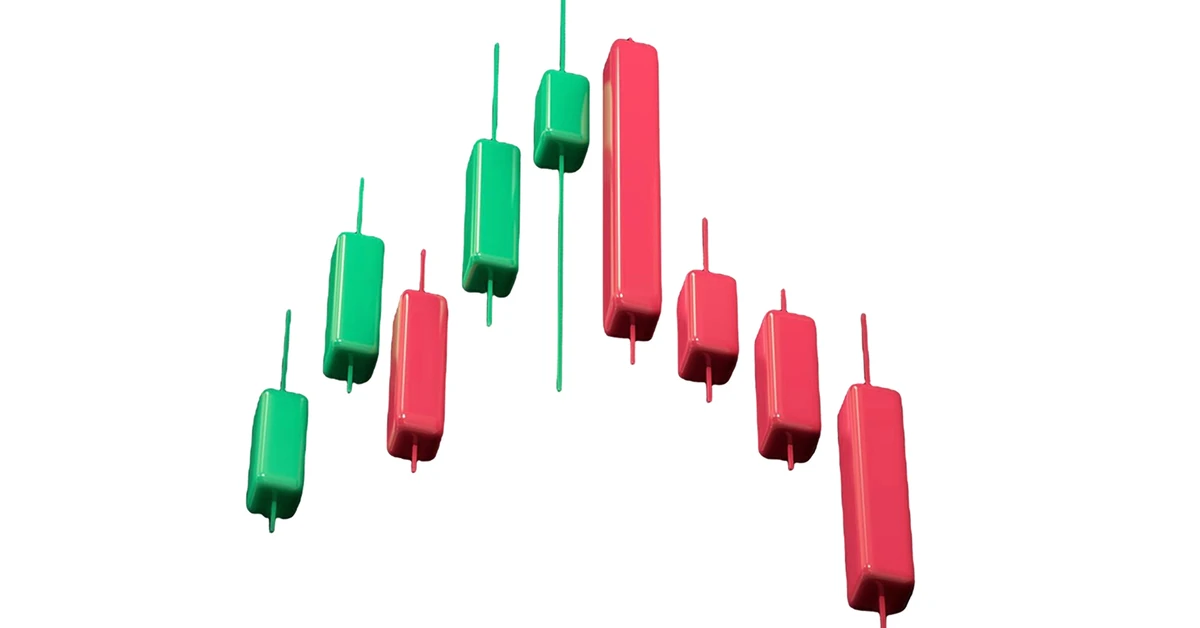

Choosing between swing trading and day trading can be challenging for beginners, especially when it comes to leverage. Swing trading seeks to capture multi-day market moves, while day trading focuses on intraday volatility to generate returns. Each style affects leverage, trade frequency, transaction costs, position sizing, and risk management, underscoring the importance of aligning the approach with available capital, time, and loss-control measures.
Testing strategies without jeopardizing personal funds is a practical way to refine trading skills. A funded account experience through the Goat Funded Trader prop firm provides essential tools and insights to simulate real market conditions, helping traders build discipline and evaluate returns.
Summary
- Swing trades typically sit for 2 to 6 days and commonly target 5% to 10% per trade, which favors patience, position sizing, and acceptance of overnight gap risk.
- Day trading is highly unforgiving, with research showing that about 90% of day traders lose money and roughly 80% quit within the first two years, mainly due to slippage, commissions, and decision fatigue.
- Funding rules materially change the math because once simulated allocation passes the low six figures, percent returns usually shrink while dollar returns climb, forcing different sizing and correlation limits.
- High trade frequency compounds costs and error risk, since day traders average about 5 to 10 trades per day, and that transaction load quietly erodes edge through spreads, slippage, and execution mistakes.
- Standard failure modes are operational: a coached cohort of 30 traders over 90 days showed that treating a 5% per‑trade target as the average preserved consistency, while chasing outlier returns broke risk rules and consistency.
- Practical testing matters, measure net return per focused trading hour over 30 days, and backtest or forward test a single plan for about 200 trades to reveal whether an edge survives real-world execution and rule constraints.
- This is where Goat Funded Trader fits in, as a prop firm that addresses these issues by letting traders test strategies under realistic funding rules and simulated capital so tempo, risk limits, and payout mechanics can be validated before risking personal funds.
What is Swing Trading?

Swing trading is a strategy for capturing multi-day price moves. This method focuses on trading based on trends and reversal patterns rather than short-term market fluctuations. Traders decide when to enter and exit trades based on clear signals, manage how much they invest, and realize that some trades may take several days to show results. For those interested in swing trading, exploring options provided by a reputable prop firm can be beneficial.
How long will a typical swing trade stay in your account? Recognizing patterns is essential here because market conditions change both risk and opportunity. Swing trades usually hold positions for 2 to 6 days, according to Quantified Strategies, 2025-01-04. This timeframe means you experience a few market openings and the news stories that come with them. That holding window gives you time to let a setup develop, but it also makes you vulnerable to overnight gaps and major headlines, so how much you invest and where you place your stop must consider that extra risk.
What profit and loss goals should you plan for?
Traders should set realistic per-trade expectations and let position sizing drive performance. Swing traders often target 5% to 10% per trade, as highlighted by Quantified Strategies, 2025-01-04. This target is small enough to be repeatable yet large enough to scale with capital.
In coaching a group of 30 traders over 90 days, a clear pattern emerged: those who treated 5% targets as an average rather than a ceiling adjusted their stops to protect their capital. They turned small wins into consistent growth.
On the other hand, traders who chased significant returns ignored risk rules and ultimately lost their consistency.
Who benefits most from swing trading?
For those who cannot stare at screens all day but still want to be active in trading, swing trading is a great option. It rewards patience, clarity, and a willingness to deal with shorter periods of price swings as part of the trading strategy.
Beginners often find the technical parts difficult. It can be tiring to face too many indicators and conflicting signals, which may lead to making no decisions at all. To help with this, it’s a good idea to start with higher timeframes, like 4-hour and daily candles.
Practicing with paper trading until you can get consistent, rule-based results can help build confidence. It's also smart to avoid diving into high-leverage products until you have a clear and proven trading process.
How do teams handle scaling and payout expectations?
Most teams deal with scaling and payout expectations by looking at strategy performance as a per‑trade math problem. This makes sense at first because simple return math is easy to understand and doesn’t need new systems.
However, as money increases, hidden costs emerge, trade rules break down, and inconsistency prevents scaling. This leaves traders hitting cap limits or not meeting payout conditions. Platforms like Goat Funded trader provide large simulated capital pools, a clear scaling program, and fast on‑demand payouts. This gives traders a structured way to achieve consistent execution, which directly leads to more capital and real cashouts.
What breaks swing trading in practice, and how do you fix it?
The typical failure mode is threefold: poor position sizing, signal overload, and failure to comply with the funding vehicle’s rules. This pattern shows up in both small accounts and funded programs. An otherwise profitable setup can go wrong when a single overnight gap wipes out a string of winners.
The fix is simple and disciplined, but it is not easy.
Use fixed risk per trade, keep correlation within your book, cut losers quickly, and align setups to the fund’s rulebook to avoid trading yourself out of scaling eligibility.
Think of it like greenhouse work, not sprinting; you need to tend to positions, protect them, and compound gains over time.
How do you handle emotional friction in trading?
As accounts grow, traders will face emotional friction. This can include feeling impatient after losing a few trades or becoming overconfident after winning several times. This human aspect is essential because funding programs value repeatability over a few significant trades.
It is essential to think of consistency as the product you are selling. To reach this goal, create systems that help you behave consistently. These can include checklists for entering trades, setting stop rules, and daily review times that help you avoid making impulsive decisions.
Related Reading
- Leverage Trading for Beginners
- Are Small Caps a Good Investment Now
- Can Forex Trading Make You Rich
- How Much Money Do You Need to Start Trading
- How to Start Trading With No Money
- Black Friday Prop Firm Deals
- How Long Does It Take To Become A Profitable Trader
- Which Trading Is Best For Beginners
- Trading Vs Investing
- How to Trade Forex With $100
- Best Market To Trade For Beginners
- Best Timeframe For Swing Trading
- How to Get Free Stocks
What is Day Trading?
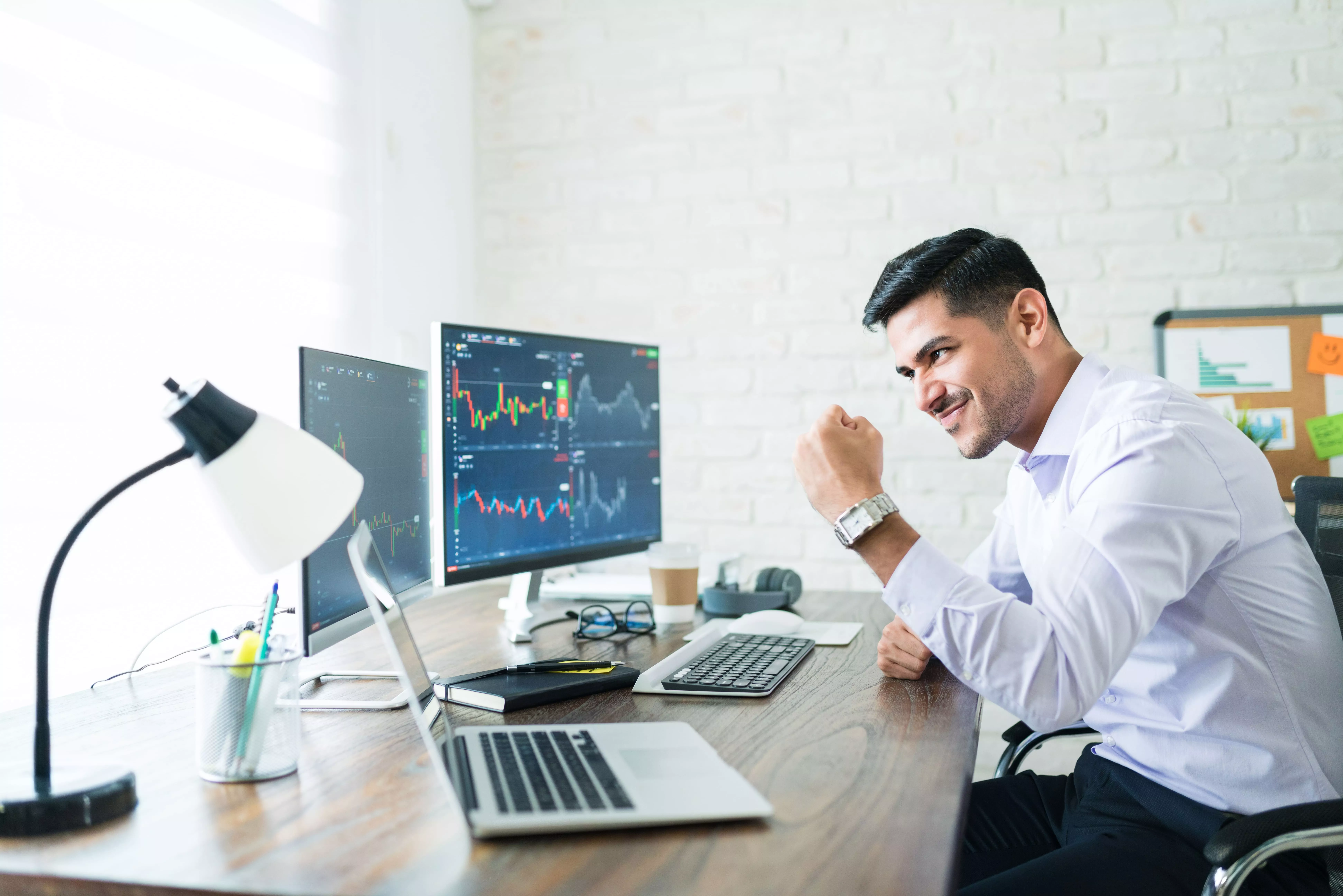
Day trading is a high-intensity game of edges and execution, where small advantages need to show up again and again to cover costs and what people can handle.
While success may come from a few trades, turning those wins into steady income requires rules, technology, and emotional discipline that many traders do not invest enough in. Consider joining a reputable prop firm like Goat Funded Trader to help you navigate this challenging landscape.
What makes day trading so challenging? Recognizing patterns and acting fast are more critical than having clever ideas. When trading many times in a single session, problems like slippage, spreads, and commissions can pile up on traders.
The mental strain of making quick decisions increases the risk of mistakes. This stress shows in the results: according to Quantified Strategies, December 2025, 90% of day traders lose money, underscoring how minor execution issues and poor risk control can overpower many strategies.
How do trading costs and limits on attention harm returns? Frequent buying and selling turn transaction costs into an annual tax on profit and loss. When fast decision fatigue kicks in, traders often make impulsive choices or miss exits. A typical pattern emerges among newcomers and those hoping for funded accounts: traders spend too much time staring at screens, which divides their attention from other duties and accelerates burnout.
This cycle eventually leads to a high dropout rate, which is expensive for learning and growth. The human cost is significant, showing up in behavior rather than just on spreadsheets; this behavior helps explain why Trade That Swing (2025-09-19) reports that approximately 80% of day traders quit within the first two years.
What is the common mistake in day trading?
Most teams manage this by thinking that the return from each trade is the only important thing. This common way might work for a short time, but it hides scaling friction. As the number of trades increases, rules loosen, and keeping track of everything can get messy; consistency disappears just when scaling needs it most.
Platforms like Goat Funded Trader offer large simulated capital pools, a clear scaling program, and quick payouts when needed. This setup lets traders test and reward rule-based consistency, execution quality, and payout methods without risking their own money.
Who is day trading best suited for?
Day trading is best for people who can execute trades well, have low round-trip costs, follow a dependable routine, and can watch the market closely. If these factors are missing, the failure mode is easy to predict: traders might overtrade to catch price movements, ignore stop-loss rules under stress, and fail to follow the fund's rules when scaling up. It is like tightrope walking with a safety net, not a race; the safety net allows traders to practice riskier moves until they can do them consistently.
What Practical Steps Shorten the Learning Curve?
Think of the first 6–12 months as a time to build your foundation, not just a time to search for early profits. Start by creating a simple one-page playbook. This should include your entry trigger, the exact placement of your stop, your target, and how much of your available capital you'll use for each position. Set a strict daily loss limit.
Test the single plan with 200 trades using backtesting and forward testing before you make any changes. Where possible, automate execution and use limit orders to manage slippage. Also, keep a record of every trade, including emotion tags, to spot and correct repeating behaviors. These minor operational fixes can build up more quickly than just looking for a tiny edge.
How to manage market pressure?
It’s tiring when the market expects you to be perfect every hour. A better way is to design systems that help you be effective most of the time.
What question should you ask next?
The next question about profitability shows an important point that should not be ignored.
Swing Trading vs Day Trading - Which Is More Profitable

Neither approach is inherently more profitable; it depends on the funding vehicle and how your edge scales within its rules.
With a lot of simulated capital and quick payouts, the profitable path is the one that aligns with risk limits, scaling gates, and your ability to execute consistently.
How do funding rules actually change the math? Funding rules turn percent returns into operational limits.
When a program restricts daily or maximum drawdown, your position sizing, win rate requirement, and acceptable correlation all change. This often squeezes what worked with a small account. If your plan depends on many small, high-frequency wins, a single forced stop or rule breach can wipe out days of gains. On the other hand, strategies that protect equity with conservative sizing and fewer directional bets tend to reach scaling thresholds more reliably.
What role does capital scaling play in absolute profitability?
As capital grows, the percentage returns usually get smaller while the dollar returns increase. This trade-off favors strategies with predictable scaling mechanics. This pattern consistently appears once simulated allocation reaches the low six figures.
Intraday edges struggle with slippage, liquidity, and market impact. On the other hand, longer-term setups keep the target size proportional and maintain their edge. In short, your percentage edge is not the only metric; it is multiplied by the platform's scaling rules and payout cadence.
How should you weigh speed versus durability?
It is essential to compare the return per hour of focused work rather than per trade. Fast intraday compounding can be lucrative when execution is elite. This dynamic explains why day trading can result in a 5-10% monthly return, as reported by Block3 Finance on 2023-07-23.
However, that same speed can magnify operational costs and the risk of burnout. In contrast, WallStreetZen (2023-10-01) states that swing trading can yield returns of 10% to 50% annually. This highlights how patient, capital-efficient approaches can compound steadily when rules and scaling align.
How does evaluation affect trading strategies?
Most teams handle profit evaluation using per-trade arithmetic. This can feel comforting. The familiar approach often focuses on getting the highest percentage per trade because it feels like progress and doesn’t require any new systems. However, as allocations and complexity grow, this way of thinking can cause problems.
The rules might bend; the number of trades can increase significantly, and small mistakes can add up, becoming a scaling tax that weakens your edge.
What advantage does Goat Funded Trader offer?
Platforms like Goat Funded Trader make trading easier by treating scaling as a system rather than just a hopeful goal. Solutions like this bring together significant simulated capital, use automated scaling ladders, and have quick payout methods. This way, traders can check whether an edge continues to perform well as stakes increase, without risking their own money.
By testing under realistic rules and getting fast payouts, traders can spot hidden issues early. This process converts inconsistent winners into those with repeatable performance before real cash is at stake.
Which choice fits your life and temperament?
Suppose you can spend hours watching tape closely, work with low-latency execution, and handle the pressure of making quick decisions. In that case, the compounding math of intraday setups can outperform slower options over time. But you want to spend less time on screens, value predictability, and prefer to let setups develop while keeping your equity safe. In that case, swing approaches usually provide cleaner equity curves when you follow strict risk rules.
Think of it like this: one strategy requires you to sprint with surgical precision, while the other asks you to create a compoundable business that can weather a storm.
What options does Goat Funded Trader provide?
Goat Funded Trader provides access to simulated accounts of up to $800K with some of the most trader-friendly conditions in the industry. There are no minimum targets or time limits. Traders can benefit from triple paydays with up to a 100% profit split as a prop firm. This setup allows for testing under real conditions.
Over 98,000 traders have already earned more than $9.1 million in rewards. The platform is backed by a 2-day payment guarantee, which includes a $500 penalty for delays. Traders can choose between customizable challenges or instant funding options. Get Access to Up to $800K Today with 25-30% off.
What is the significance of choosing the right tempo?
The next choice will require selecting a tempo you can comfortably sustain. This decision impacts your performance significantly. It tells you more about your abilities and preferences than you might think.
Where can you find additional resources?
If you want to learn more, there are different resources online. You can find a helpful discussion on Reddit about the differences between day trading and swing trading.
Related Reading
- How to Make Money in Forex Without Actually Trading
- How to Stop Overtrading
- How to Become a Successful Day Trader
- Swing Trading Strategy
- Most Profitable Trading Strategies
- How Much Can You Make Day Trading With 100k
- How to Start Day Trading With $500
- Risk Management for Traders
- How Much Money Do I Need to Start Day Trading
- Best Indices to Trade
- Best Pairs to Trade in Forex
- Trading Risk Management Tools
Swing Trading vs Day Trading - Which Is Right for You?
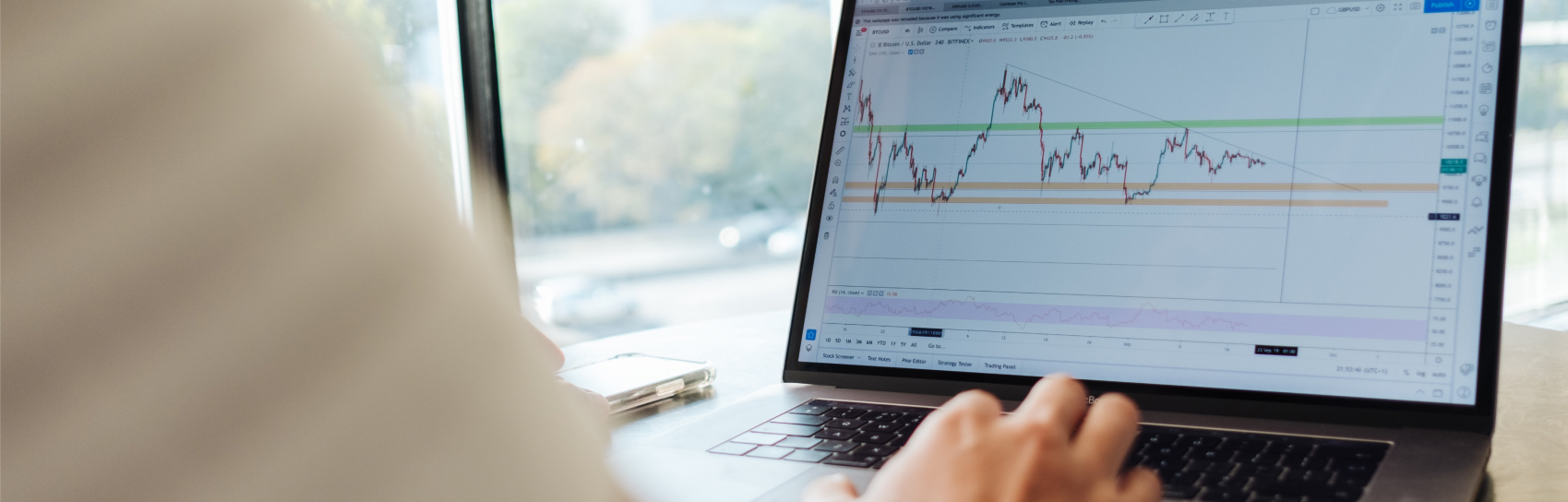
Pick the style that matches your available hours, tolerance for nonstop decision pressure, and the fund’s rules. The pace you can handle decides who profits when scaling and payouts come into play.
If you can easily make many clean trades each session, day trading can be more profitable for a time. However, if you need to stay focused and fit trading around other work, swing trading usually gives steadier, more repeatable growth when funding is limited.
How many hours can you stay focused each market day? Swing trading often fits into shorter, structured work blocks, with routine market analysis averaging 1 to 2 hours per day, according to Edgeful Blog (2023-10-01).
This means you can trade alongside a job or other responsibilities without hurting your process. That limited daily workload is essential because the objective measure is return per hour of focused work, not raw percent per trade. Consistent small wins that follow scaling rules build up into reliable payouts.
How many trades can your process handle before mistakes multiply?
Day traders usually make several trades in a single session, averaging 5 to 10 per day, according to Edgeful Blog (2023-10-01). This number of trades can cause problems such as slippage, execution errors, and mental fatigue, which can slowly erode a trader's advantage.
The effects show up in actions, not just theories; keeping up with many decisions increases the chance of impulsive sizing or missed stops as stress builds. This situation is a common failure that can stop traders from growing their strategies.
What breaks first as capital and complexity grow?
The predictable failure tends to be operational rather than conceptual.
As stakes rise, bookkeeping, order templates, and position-sizing discipline must scale accordingly; when they do not, minor manual errors can compound into forced rule breaches and lost eligibility for payouts.
This issue consistently affects funded-account applicants and full-time traders: a missing stop, a mistyped size, or an untracked correlation can turn a healthy run into a margin call.
It is essential to treat process as infrastructure: automate size calculations, standardize order flows, and timestamp trade-approval steps so that the human role becomes oversight, rather than constant arithmetic.
Why Temperament Matters More Than Raw Edge?
The mental cost of trading is significant. Traders who get worn out don't fail because their setups are bad; they fail because their strategies move too fast to keep up with when they're stressed. This is clear for both full-time traders who watch the market closely and part-time traders who are trying to grow.
It shows why having endurance and predictable routines is better than just being brilliant sometimes, especially when funding programs reward consistency. Think of it like this: day trading is like sprinting between checkpoints with perfect form, while swing trading is like moving through a long weather system; one depends on quick reflexes, and the other depends on being patient.
What hidden costs affect scaling strategies?
Most traders optimize per-trade percent because it feels familiar and measurable. This approach works at first, but as the number of trades increases and rules become stricter, hidden costs emerge. These costs include inconsistent logs, fragmented sizing, and scaling gates that penalize rule violations.
Platforms like Goat Funded Trader provide large simulated capital pools, clear scaling ladders, in-house execution tools, and quick payout options. This lets traders test whether their tempo and process can handle absolute limits before using real money. Teams find that testing in these conditions quickly reveals operational problems, turning weak winners into durable performers.
How can you test your trading process effectively?
A practical test you can run this month is to measure your live return per focused trading hour for 30 days. Include drawdown during those hours. Track the hours spent on preparation, execution, and review.
Then, divide net PnL by focused hours to get the return per hour. Also, log any rule or sizing errors.
This simple metric separates strategies that look good on a small account from those that work well in a funded program, as it captures both productivity and risk control in a single number.
Why is choosing the right tempo crucial?
It's exhausting when a plan demands constant perfection. Choosing a pace that keeps mental bandwidth is the best risk control one can apply.
What Funding Rule Can Affect Your Trading Tempo?
The choice of trading speed might look like a strategy, but one funding rule can quietly flip which speed actually wins.
Related Reading
- CFD Trading
- CFD How It Works
- CFD Broker
- CFD Meaning
- CFD Simulation
- CFD Analysis
- CFD Trading Platform
- CFD Account
- CFD Modeling
- CFD Forex
- CFD Online
- CFD Trading App
- Regulated CFD Brokers
Get 25-30% off Today - Sign up to Get Access to Up to $800K Today
Building on what we covered, the fastest way to determine whether swing trading or day trading is a good financial choice is to test both using realistic funding rules. This helps you see how speed, risk limits, and payout mechanics can affect results. Goat Funded Trader is a great place to practice; it acts like a dress rehearsal for scaling.
You can measure return per focused hour, check compliance with fund rules, and move from ideas to real payouts without risking your own capital.
Be Great and get the App