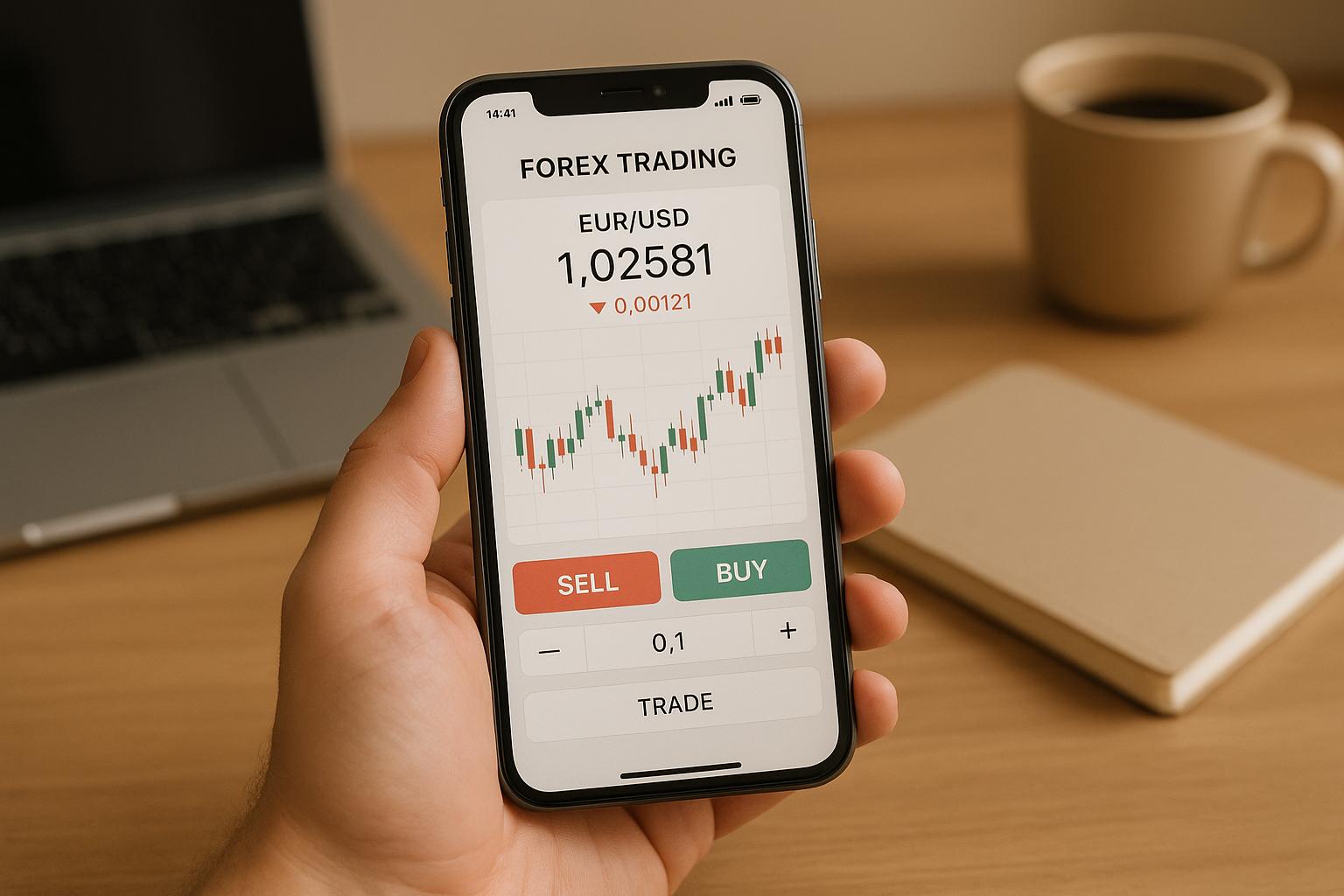



Navigating a CFD online platform for the first time can feel overwhelming as fluctuating charts and rapid margin changes introduce both opportunity and risk. Market participants must understand that trading CFDs allows control over larger positions in stocks, indices, or forex without owning the underlying asset, while mismanaging costs and volatility can quickly erode capital. A straightforward approach grounded in sound principles is essential, and leveraging trading for beginners provides a helpful perspective on managing these dynamics.
Mastering risk management and position sizing is key to transforming curiosity into consistent, profitable trading. Practicing disciplined strategies and relying on robust evaluation methods enables traders to build confidence and steadiness in a volatile market. Goat Funded Trader’s prop firm offers funded accounts and a straightforward evaluation program that helps traders focus on strategy rather than chasing margin.
Summary
- Leverage amplifies both gains and losses; retail CFD limits can reach up to 30:1, according to Fenefx in October 2023, which explains why small price moves can produce decisive account swings unless position sizing and stops are strictly disciplined.
- Costs beyond spreads are a major driver of attrition, as Fenefx found that over 70% of retail investor accounts lose money trading CFDs, with commissions, overnight financing, and slippage cited as common contributors.
- Liquidity and execution quality shape real outcomes, as VT Markets data show over $6 trillion in daily trading volume. This suggests that high-volume instruments tend to compress spreads and reduce slippage for short-term strategies.
- Demo and live performance often diverge, so the article recommends a funded-like rehearsal: either a minimum of 30 demo trades, two months of timed trials, or at least 50 completed trades or one calendar month, to surface execution and psychological gaps.
- Market breadth matters for matching edge to liquidity. With over 17,000 CFD markets available and brokers offering access to more than 80 currency pairs, traders should align their instrument choice with execution targets and size constraints.
- Concrete risk rules materially reduce ruin risk, for example, by starting live with leverage capped at 5:1 or 10:1 and limiting per-trade risk to 1 to 2 percent of the account balance, as advised by the BlueSuisse Blog in 2025.
- This is where Goat Funded Trader's prop firm fits in; it addresses the demo-to-live gap by providing funded accounts and evaluation tracks that let traders rehearse scaling, validate order fills, and practice position sizing under funded-like rules.
What is CFD Online Trading?

CFD online trading allows traders to bet on price changes without owning the underlying asset. This is done through margin and derivative contracts provided by broker platforms. Traders can earn money or lose it based on the difference between the prices at which they enter and exit. Since platforms offer leverage, the results can change quickly, affecting both gains and losses. If you're considering your options, explore prop firm solutions that can support your trading strategies.
How is a trade executed on a platform?
When a trader puts in a CFD trade, they choose an asset, decide to go long or short, set the amount in lots or units, and then submit market or limit orders using the platform’s order ticket. The broker gives a spread between buy and sell prices, adds leverage to the margin, and tracks unrealized profit and loss (P&L) in real time. If a position is kept open past the market close, overnight financing or swap fees might apply. Liquidity, slippage, and execution quality are critical, as they affect whether the planned risk matches the actual risk taken.
Why does leverage change everything for traders?
The key mechanic is leverage, which increases your position exposure relative to the margin you have deposited. Fenefx noted this in October 2023, saying that CFD trading allows leverage up to 30:1 for retail clients. This explains why even small price changes can seem significant in trading accounts. Leverage can turn a regular price change into a substantial gain or loss, making careful position sizing and placing stop orders crucial.
Most traders test strategies on cheap demo accounts because this method is easy and familiar. While this is a good starting point, results on demo accounts and in live trading can differ significantly. Issues such as order fills, slippage, and the pressure of real money can slow progress and obscure clear patterns amid noise. Platforms like Goat Funded Trader aim to bridge that gap by offering large amounts of simulated capital, quick payouts whenever needed, and a clear plan for scaling. This setup helps traders practice edge management using rules similar to those in funded accounts while reducing administrative friction.
What costs should you expect beyond spreads?
Frequent traders or those holding positions across different market sessions may face various ongoing costs. These costs include spreads, commissions, overnight financing, and the often-overlooked slippage during volatile moves. Fenefx highlighted this risk in October 2023, noting that over 70% of retail investor accounts lose money when trading CFDs, as reported in their article, "Over 70% of retail investor accounts lose money when trading CFDs." This finding serves as a warning: fees and leverage-driven losses play a significant role in account losses, showing that it’s not just bad luck.
How do you manage risk in practical terms?
Establishing clear rules is essential for managing behavior. Limit the risk of each trade to a small, fixed percentage of working capital. Size your positions so your stop-loss matches the limit. Always check for correlated exposures before starting new trades, and test every change with a timed demo run of at least 30 trades or two months. Treat margin calls as a warning from the system, not an invitation to chase losses; lower your leverage, tighten your stops, or reduce your exposure when volatility rises. Use the platform tools: alerts, one-click exits, and session overlays, to make discipline automatic instead of optional.
Leverage should be seen as a tool, not a guarantee. How you use it decides whether it helps you or harms you. Think of leverage like borrowing a megaphone for your market view: it amplifies both your best ideas and your biggest mistakes. Consider how a solid prop firm can provide the support needed to navigate these challenges effectively.
What unexpected consequence should traders consider?
A critical result that traders often miss is how emotions affect their reactions to market changes. This psychological factor can influence decisions more than any indicator or system, leading to unexpected losses or missed opportunities.
Where can you find more information?
For further insights, visit the source article on CFD trading for a detailed overview.
Related Reading
- Are Small Caps a Good Investment Now
- Can Forex Trading Make You Rich
- How Much Money Do You Need to Start Trading
- How to Start Trading With No Money
- Black Friday Prop Firm Deals
- How Long Does It Take To Become A Profitable Trader
- Which Trading Is Best For Beginners
- Trading Vs Investing
- How to Trade Forex With $100
- Best Market To Trade For Beginners
- Best Timeframe For Swing Trading
- How to Get Free Stocks
Is Trading CFD Online Safe?

Trading CFDs online can be safe if you pick a regulated and transparent broker while following strict rules. However, it remains a high-risk product and requires careful protection and honest self-evaluation. Your safety relies less on how the platform looks and more on three essential factors: the broker’s legal standing, the actual costs and execution behavior you might face, and whether your risk rules can hold up under pressure. Additionally, understanding how our prop firm operates can provide you with valuable insights and support in managing your trading strategies.
How do I verify a broker actually protects my funds?
Start by checking the regulator’s public register for the license number. It's essential to read the custody and client fund segregation language in the terms. Look for clear statements that client funds are held in separate accounts. Make sure to find out whether the firm publishes audited financials and whether it offers negative balance protection or formal channels for filing complaints. When brokers hide execution quality and margin rules in long PDFs, that lack of transparency is a warning sign that problems could happen under pressure.
What fraud or business practices should make you walk away?
Watch for pressure to deposit more money, promises of guaranteed profits, unclear bonus conditions, and problems with withdrawing your cash due to necessary administrative paperwork that never gets sorted out. A big warning sign is a broker who changes margin requirements without telling you, or limits account access when trading is going well. These actions typically indicate operational or liquidity issues rather than service problems. Treat challenges with withdrawing funds as a serious concern; it’s essential to get to the bottom of the issue or consider moving your money.
Which risk rules materially reduce the odds of ruin?
Adopting mechanical limits can help maintain behavioral stability under stress. BlueSuisse Blog (2025) recommends starting live trading with a conservative leverage ratio, keeping it low at 5:1 or 10:1. This limit helps prevent minor mistakes from turning into significant losses. Also, BlueSuisse Blog advises traders to limit trading risk to 1-2% of their total account balance per trade. This method shifts the decision about how much to trade from intuition to careful math, ensuring that a bad day does not wipe out months of hard work.
How do traders often mismanage their transitions?
This pattern is clear among both beginner and funded-challenge accounts. Traders often think that execution and psychology improve directly as capital increases, but they find out that the system works differently. Most traders handle transitions by just increasing their position size, as it seems efficient and comfortable. However, this method hides the real costs: faster drawdowns, more rigid challenge rules, and changed incentives that can affect behavior under pressure, leading to lower performance. Platforms like Goat Funded Trader provide a valuable bridge in this situation. They offer significant simulated capital limits and quick payouts when needed, allowing traders to practice scaling rules and edge management in settings that mimic funded accounts without turning early mistakes into permanent losses.
How do you stress-test your setup so the first live loss is not a surprise?
Run timed, rules-driven trials that imitate funded conditions for at least one month or at least 50 completed trades, whichever happens first. Include sequences that simulate losing streaks and widened spreads. Treat this exercise like a fire drill: put yourself in the worst possible situation and see if your stop placement, liquidity tolerance, and nerves can handle it. If you experience execution slippage, unclear margin calls, or a habit of breaking rules after the third losing trade, fix these problems before putting in real money.
What to expect emotionally, and how to prepare for it?
Experiencing emotional exhaustion can happen when account swings occur, making the urge to “do something” louder than the original plan. This pattern appears quickly, especially when leverage and performance targets intersect. The only reliable way to handle this is to have a pre-committed plan that includes clear daily loss limits, automatic cutoffs, and a proven routine for taking breaks and reviews. Think of it like seatbelts and training wheels: it’s not punishment; it’s a way to ensure you stay safe and disciplined.
What is a helpful analogy for vetting a broker?
A simple analogy helps: vetting a broker is like choosing a mechanic for a race car, not a taxi. You want credentials, a transparent parts list, and test laps under load. Under pressure, the small failures will reveal exactly who prepared properly and who did not.
What question do traders avoid asking that changes everything?
That safety checklist helps, but the one question traders avoid asking next can change everything.
Why Trade CFDs Online?

Traders use CFDs online because this product mixes deep, tradable markets with platform tools. These tools enable quick changes, strategy automation, and faster capital movement than physical assets. This speed and flexibility make CFDs a wise choice when success relies on execution, testing, and capital turnover more than just owning an asset.
How does liquidity and execution shape real results?
When execution affects your win rate, liquidity becomes a secret advantage. High volume compresses spreads, reducing the risk of worse prices, and allows larger orders to be completed without disrupting the market. This is important for both retail swing trades and algorithmic runs. The $ 6+ trillion in daily trading volume explains why many CFD instruments offer consistently tighter pricing. This enables short-term strategies to perform better without constantly worrying about price changes.
Why are bots and systematic traders drawn to CFD platforms?
Bots and systematic traders are attracted to CFD platforms for several reasons. Those who follow rules-based strategies need APIs, historical tick data, and predictable execution. CFDs offer shorting, margin netting across instruments, and a range of order types that enable algorithms to quickly create exposures. This ability helps traders test and refine a signal in hours rather than weeks. Furthermore, the market infrastructure is changing rapidly due to ongoing platform upgrades and increased adoption of these services. This trend suggests faster feature development and tougher competition among brokers, which directly benefits algorithmic traders who rely on reliable tools.
What keeps retail traders engaged with CFD platforms, emotionally and operationally?
Retail traders are often attracted to CFD platforms because they provide quick feedback and allow them to test new strategies at low cost. This allows them to test ideas without spending money on different asset types. As a result, a learning loop forms in which the quality of their execution and adherence to the rules determine whether a method works, rather than simply hoping. It's similar to moving from a learner bicycle to a road bike with clip-in pedals: the new gear quickly reveals weaknesses, and improvement only happens if trading strategies are adjusted to address them.
How do traders scale by adding capital?
Most traders grow by adding money to a single retail account because it seems simple. While this method can work at first, hidden costs show up as the size increases. These costs include different rules for each broker, slower progress due to withdrawal issues or regulations, and mental pressure that can lead to bigger, untested bets. Traders find that Goat Funded Trader’s practice of significant capital limits and quick payouts helps them scale and manage risks in real-world challenges. This method accelerates learning and reduces unnecessary risk-taking.
What platform features should you prioritize now?
Focus less on slick marketing and more on measurable telemetry. Important things to check include API latency, how long it takes to fill orders in real-world scenarios, how orders are split during volatile periods, and the quality of historical tick data for backtesting. Do a small audit by placing a group of the same market orders during different sessions. Record the fills and slippage, then compare the results with the broker's stated pricing. This hands-on process helps to distinguish platforms that look good on paper from those that actually perform well when it counts.
How can small habits protect your trading edge?
Small, practical habits protect your edge in trading. Log every trade, including the idea you are testing, the expected slippage, and whether the execution went as planned. After recording over 100 trades, patterns will appear that are hard to see in real time. A good comparison is that trading on a weak platform is like tuning an engine without a tachometer; you might get it running, but you will never get it tuned perfectly.
What benefits does Goat Funded Trader offer?
Goat Funded Trader gives you access to simulated accounts of up to $800K with the most trader-friendly conditions in the industry. There are no minimum targets, no time limits, and triple paydays with up to 100% profit split. Traders can choose funding by taking customizable challenges or can start trading right away with instant funding options. Join over 98,000 traders who have already earned more than $9.1 million in rewards, all supported by a 2-day payment guarantee. There is a $500 penalty for any delays. Learn more about this prop firm and sign up to Get Access to up to $800 today with 25-30% off.
What should traders remember about market control?
The surprising part is that what feels like control today can change overnight. A previously unnoticed correlation can emerge, dramatically changing the market landscape.
Related Reading
- How to Make Money in Forex Without Actually Trading
- How to Stop Overtrading
- How to Become a Successful Day Trader
- Swing Trading Strategy
- Most Profitable Trading Strategies
- How Much Can You Make Day Trading With 100k
- How to Start Day Trading With $500
- Risk Management for Traders
- How Much Money Do I Need to Start Day Trading
- Swing Trading vs Day Trading - Which Is More Profitable
- Best Indices to Trade
- Best Pairs to Trade in Forex
- Trading Risk Management Tools
What Markets Can I Trade With CFDs Online?

You can access nearly any market through CFDs, from the deepest forex pools to specialized commodity contracts and individual stocks. It's essential to choose markets that align with the strategies you can consistently apply. Different trading tools require other sizes, planning for trading sessions, and execution checks, so selecting a market should be viewed as a strategic decision rather than a matter of convenience.
Which markets give you the best execution and why? If you want predictable price fills and tight spreads, major forex pairs and large-cap indices are where you find that predictability, because the depth and continuous order flow reduce slippage. In a real-world test, when we conducted side-by-side execution tests across three brokers during ten major news events over two months, we found that two brokers showed significant spikes in spreads and slower fills under pressure, prompting us to tighten stops or delay entering trades. This pattern shows why it's essential to test a few live sessions against your execution goals before scaling up.
How broad is the market selection I can actually trade?
There is no need to search for variety; the market provides it in abundance, with brokers listing a wide range of instruments. This variety allows traders to switch between interest-driven sectors, regional themes, and low-correlation pairs without leaving the CFD ecosystem. Such flexibility is helpful when one market or session becomes busy. By using this depth, traders can match liquidity to position size rather than the other way around.
Which currency pairs should I prioritize when trading forex?
Start with the high-liquidity majors for execution certainty. Keep a small amount set aside for exotics only if you can handle wider spreads and higher overnight financing costs. Brokers now offer access to more than 80 currency pairs, which supports diversification. However, keep in mind that having more pairs means you'll need to monitor them more closely and understand the connections between them. Expand carefully and test each new pair for slippage during the trading sessions you use.
How do single-stock CFDs and sector plays change risk dynamics?
Trading individual stocks through CFDs increases idiosyncratic risk. Events such as corporate actions, earnings announcements, and sudden gaps in daily trading can significantly affect positions, often more than broad market indices. Therefore, dealing with single-stock CFDs should be treated like a race on a narrow track, not an easy ride. This requires smaller position sizes, a careful event calendar, and plans to adjust for corporate actions and dividend changes.
What roles do commodities, crypto, bonds, and ETFs play in a balanced approach?
Commodities provide directional exposure to supply shocks or seasonal cycles. Traders should account for the increased geopolitical risk in energy contracts and limit leverage in soft commodities due to potential liquidity issues. Cryptocurrency CFDs offer 24/7 volatility, enabling alpha-seeking at any time; however, regulatory differences and broker custody policies affect available instruments and margin rules. Bonds and ETF CFDs are effective hedges against changes in equity prices or interest rates. Also, ETFs are a low-friction way to gain thematic exposure without the risks of single-stock investments.
How should you think about cross-market exposure and margin?
Treat margin interactions as portfolio engineering. Use volatility-adjusted sizing so that a 1 percent move in a thin commodity does not create the exact dollar change as a 1 percent move in a primary index. Monitor intraday correlation and set total risk limits that restrict overall delta or directional exposure across related instruments. It’s helpful to maintain a simple logging habit: for 50 trades, record execution quality, fill slippage, and any intraday correlations you notice. This record will show which markets really provide repeatable edges.
What should I know about the risks in market choice?
Most traders stick with familiar markets because they feel reliable and do not require any new workflows, especially during the early growth stage. Over time, this habit can cost them in several ways. For example, spreads may widen at scale, execution quality can deteriorate during busy periods, and withdrawal or position-limit issues can occur when it really counts. Platforms like prop firm provide centralized simulated liquidity access and large, rules-driven capital tracks. This allows traders to practice scaling under unfunded-like constraints while maintaining on-demand payouts and consistent testing conditions.
What offer does Goat Funded Trader provide?
Goat Funded Trader gives access to simulated accounts up to $800K with the most trader-friendly conditions in the industry. There are no minimum targets, no time limits, and triple paydays with up to 100% profit split. Join over 98,000 traders who have already collected more than $9.1 million in rewards. This is all backed by our 2-day payment guarantee with a $500 penalty for delays. You can choose your funding path through customizable challenges or start trading right away with our instant funding options. Sign up to Get Access to up to $800 today and enjoy 25-30% off as part of our prop firm offerings.
What hidden risks should be considered in market choice?
A quieter risk lurks in market choice, often overlooked by traders. This risk significantly impacts how traders size, test, and scale their strategies.
How to Trade CFDs Online

A repeatable, platform-focused workflow is essential for trading. This workflow must test execution, stress-test rules, and scale exposure with clear limits, rather than relying on gut feelings. Focus on verifying fills, practicing funded-like constraints, and building templates that make execution and risk mechanical. This approach ensures that your edge can endure larger positions.
How should execution and fills be tested before scaling?
The same test routine distinguishes brokers who perform well from those who only appear competent on paper. Run 30 matched markets and limit orders across three session types over two weeks. Log fill prices, slippage, and time-to-fill, then compare these results against your entry assumptions. Including a few larger orders helps assess how liquidity changes at scale, while capturing worst-case slippage ensures your stop placement remains valid during volatility spikes.
Which order tactics really impact outcomes?
Limit orders, pegged entries, and time-in-force choices are not just cosmetic; they affect your realized P&L. Use limit entries when you can wait for a better price and choose IOC or FOK when you need certainty of execution or cancellation. Use small, staged entries during times of low liquidity. Treat guaranteed stops as insurance, not standard practice: while they protect against gap risk, they often incur an additional cost. A practical rule from execution audits is to choose the most cost-effective tool that preserves your strategy in the market conditions you trade in. Script that routine to ensure it is repeatable.
How can portfolio margin and cross-instrument exposure be managed?
As positions start to correlate, the margin acts less like isolated buckets and more like a total portfolio. Set aggregate exposure caps, such as maximum gross delta or sector concentration, and reduce notional exposure when correlation spikes during stressful periods. Short CFD positions can be used to hedge against unique stock risk. However, size these hedges based on expected intraday volatility rather than just on headline exposure; otherwise, you might end up trading one problem for another.
Why scaling by size usually breaks accounts, and what to do instead?
Most traders increase their position size because it seems effective. However, this standard method masks hidden costs as rules tighten and psychological pressure mounts. After several weeks of simulated challenges involving many traders, we observed a clear pattern: trailing drawdown rules and stricter intraday checks can alter risk profiles. As a result, many good habits can break down when profit and loss vary widely. Platforms like Goat Funded Trader give traders significant simulated capital limits and funding-like rules. This allows them to practice scaling, test payout systems, and improve execution under the actual rules they will encounter. This practice helps reduce surprises when real money is involved.
How should you use technical tools without overfitting?
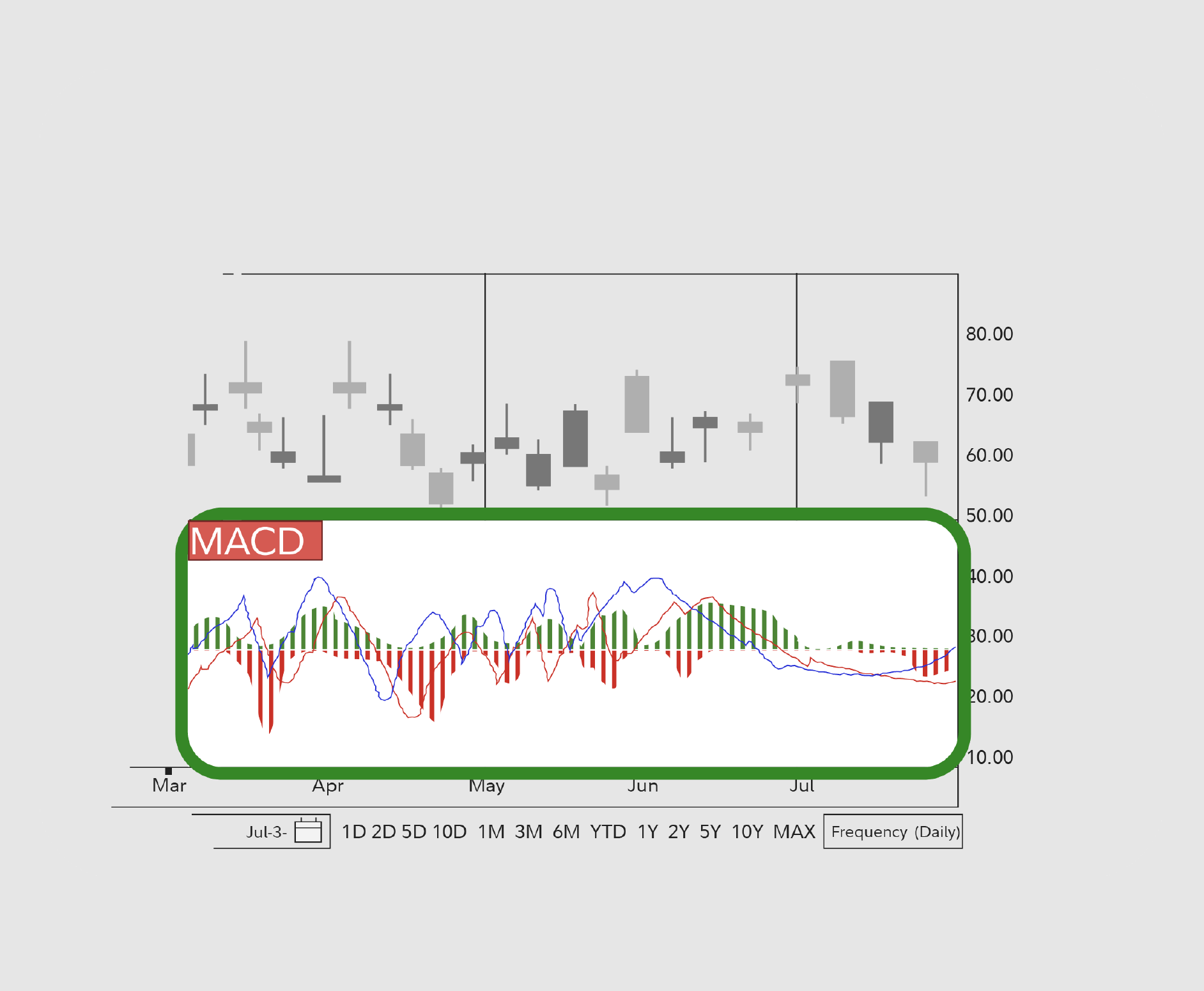
Platforms now supply extensive toolsets, so it is essential to build compact templates and avoid chasing every indicator. CMC Markets, in 2025, documents over 80 indicators, including moving averages, RSI, and MACD. This depth means selecting two to three confirmations rather than ten, and automating them in a saved workspace for consistent testing. It is also wise to maintain a separate chart layout for execution levels and another for strategy signals. This organization helps prevent drawing clutter from clouding your entry and exit decisions. By working with a reliable prop firm, you can streamline your trading process and enhance your strategies effectively.
What operational habits keep your edge intact as you scale?
Treat your trading account like racing equipment. Before each step of scaling up, run a 10-day fire drill. This drill should account for the worst possible week: doubled spreads, a 5-day losing streak, and day shocks. Then check if your rules, size, and mental routine hold up. Log your execution metrics and explain why each trade broke your rules. You must adjust within 72 hours. That discipline turns luck into a process.
What is the analogy to make it concrete?
Think of platform testing like a race mechanic tuning a car on different tracks. The mechanic runs short test laps, adjusts one setting, and measures lap times rather than guessing which change made the most significant difference. The better the tools, the faster the mechanic identifies the key factors. In trading, utilizing a prop firm can provide access to valuable resources and support, enhancing your performance.
What is the curiosity loop?
That testing routine works until a missed broker rule suddenly changes the payout timeline.
Related Reading
- CFD Trading
- CFD How It Works
- CFD Broker
- CFD Meaning
- CFD Simulation
- CFD Analysis
- CFD Trading Platform
- CFD Account
- CFD Modeling
- CFD Forex
- CFD Trading App
- Regulated CFD Brokers
Get 25-30% off Today - Sign up to Get Access to Up to $800K Today.
Traders often start their journey with online CFD demos, but they can hit a funding cliff when they encounter challenges such as leverage, margin quirks, slippage, and execution gaps. These issues can turn neat backtests into jagged P&L swings. To close that gap, consider platforms like Goat Funded Trader. Here, you can practice scaling with large simulated accounts. You can also check order fills and spread behavior under funded-like rules, and choose between challenge or instant funding paths, all with access up to $800K. Plus, you can enjoy a 25 to 30% sign-up discount to test payouts on demand before committing real money. Think of it like test-driving a race car on a measured lap before entering the race.
.avif)


.avif)