






7 Trading Risk Management Tools Every Trader Should Use
Trading Risk Management Tools help you control risk with 7 proven methods. Learn clear, actionable steps from Goat Funded Trader for safer, scalable trading.
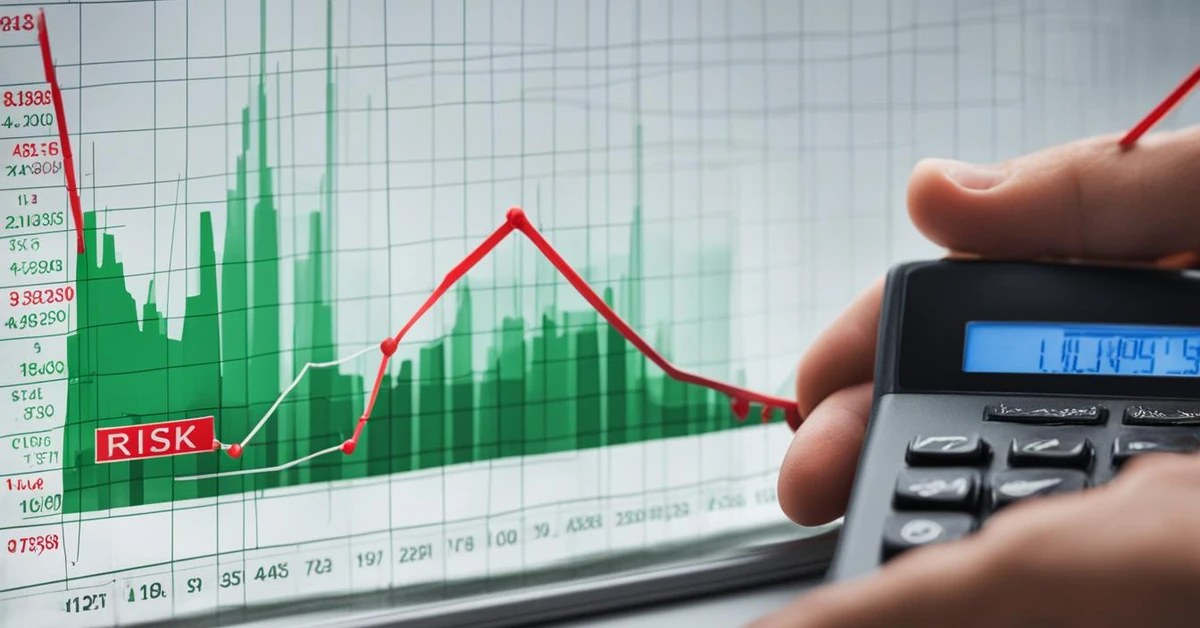

Leverage Trading for Beginners demands disciplined risk management, as sudden market movements can quickly erode gains. For beginners in leverage trading, techniques such as position sizing, stop-loss orders, risk-reward analysis, and real-time monitoring are essential for safeguarding capital. A thoughtful combination of backtesting and detailed trade journaling further builds the confidence needed to navigate volatile markets.
Comprehensive strategies that address margin controls and diversified positions help ensure that a single miscalculation does not undermine an entire account. Solid trade management practices enable steady progress amid unpredictable swings. Goat Funded Trader offers a prop firm solution that pairs funded capital with clear risk rules and hands-on support to develop reliable trading practices.
Summary
- Seven practical risk controls are nonnegotiable for scaling, namely maximum drawdown limits, risk per trade, daily loss caps, profit giveback thresholds, automated stops and bracket orders, position sizing calculators, and diversification rules, summarized as seven core instruments to survive losing streaks and protect capital.
- A hard maximum drawdown rule prevents catastrophic ruin, as illustrated by a case in which a $225,000 account fell 50 percent because no circuit breaker was set.
- Sizing trades as R-multiples and planning for 10 to 20 consecutive losses gives traders room to endure streaks and reduces emotion-driven overbets that erode equity.
- Automating position sizing matters: 65 percent of traders use position-sizing calculators, and translating rules into share or contract counts removes hand-math overleverage and enforces consistency.
- Risk management is the dominant failure mode, with over 90 percent of traders failing due to poor controls, while formal risk work can cut realized losses by up to 50 percent.
- Operational scaling exposes gaps spreadsheets miss, which is why simulated environments and enforced rules matter; some platforms offer simulated capital pools up to $2,000,000, and the trading risk management software market grew from $2,358.05 million in 2021 to a projected $3,465 million by 2025.
- This is where Goat Funded Trader fits in, as a prop firm that provides simulated capital and enforced risk rules so traders can rehearse position sizing, drawdown controls, and operational procedures without risking personal savings.
7 Trading Risk Management Tools
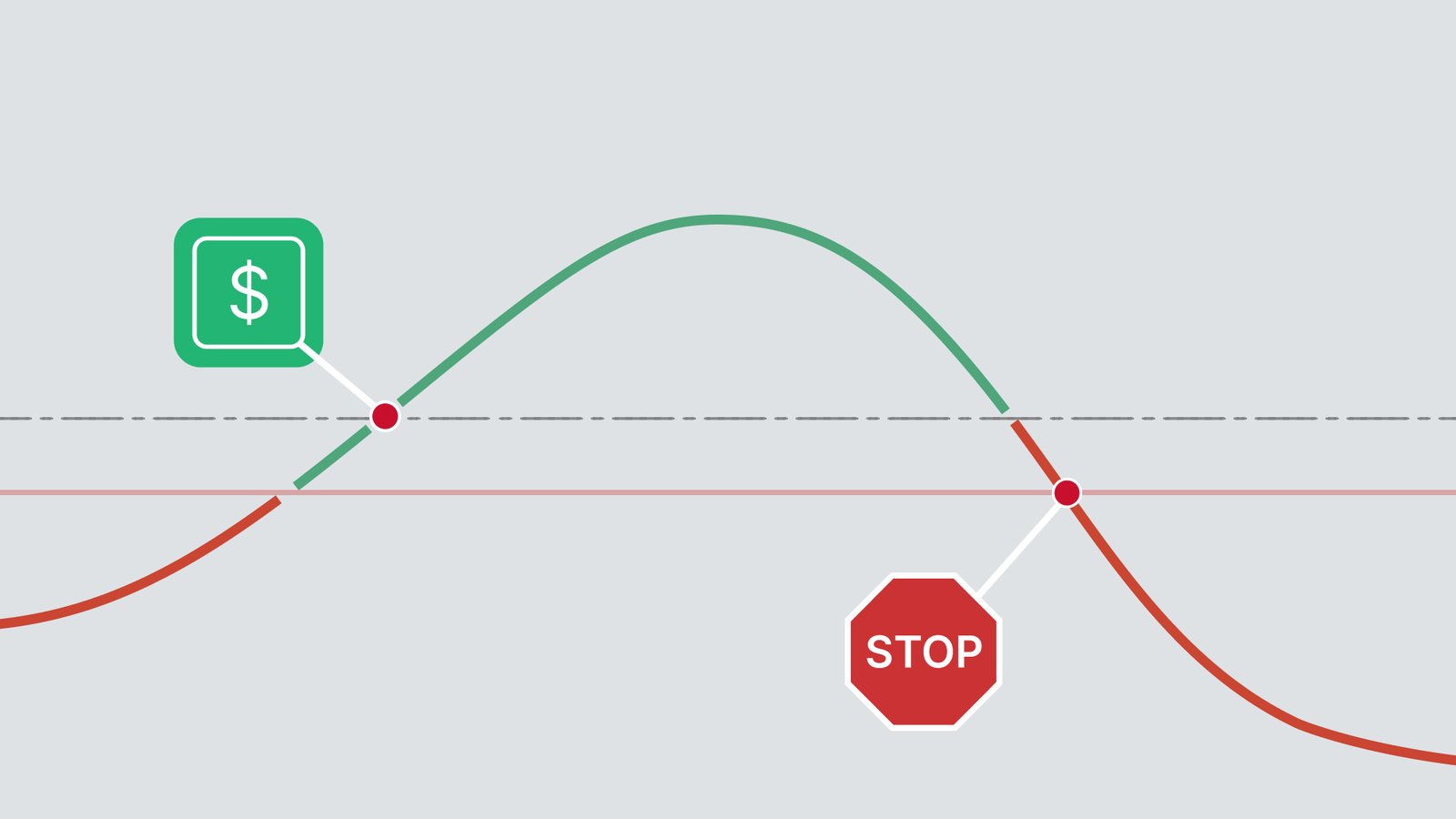
These seven controls are the practical tools needed to handle losing streaks and protect your funded capital while growing steadily. The key parts include: maximum drawdown limits, risk per trade (R), daily loss caps, profit giveback thresholds, automated stops and bracket orders, position sizing calculators, and portfolio diversification rules.
To effectively manage risk when trading, consider working with a reputable prop firm like Goat Funded Trader, which offers support to help traders develop their skills.
Treat these as strict rules. Add them to your journal and execution platform, and you will turn volatility from a problem into a measurable condition that can be managed and improved.
What is the maximum drawdown limit?
1. Maximum Drawdown Limit
Treat this as the circuit breaker for your account. Set it in dollars or as a percentage, and stop trading when it triggers; then conduct a full review. I worked with a trader who allowed a $225,000 account to drop by 50 percent because there was no hard ceiling. That collapse taught us faster than theory ever could that a defined maximum drawdown saves careers and keeps simulated capital eligible for scaling. In practice, log daily drawdowns and link them to your decision checklist. This ensures that you don’t rationalize trading during a significant loss.
How to manage risk per trade?
2. Risk Per Trade (R-Multiple)
This is where math meets psychology. You need to allocate a small part of your drawdown budget to each trade so you can handle losing streaks. Aim to size your positions in a way that allows for 10 to 20 consecutive losses, depending on your experience. You should express every trade as an R-multiple to compare performance across different instruments and timeframes.
When we changed a discretionary trader from subjective bet sizing to stricter R-based sizing, their return standard deviation decreased, and they stopped making emotion-driven overbets that harmed their account equity.
What is a daily loss cap?
3. Daily Loss Cap
A daily cap helps protect your next trading session and stops desperation trading. This kind of trading can be very costly after a rough day. Choose a limit based on what a typical strong profit day for you would be. Then, use platform alerts or a trading halt procedure that you cannot ignore to enforce this limit.
This rule helps you maintain your edge by avoiding the risks of a single nasty session that could lead you to make reckless recovery attempts. Such attempts can break both challenge rules and funded-account requirements.
How to handle profit giveback?
4. Profit Giveback Threshold
Winners who turned into losers are among the hardest mistakes to handle. It's essential to set a giveback trigger; for example, stop trading when profits drop from 3R to below 1R. Treat that trigger like a loss: stop, document, and reset.
This rule helps keep your net gains safe and makes it less tempting to pursue risky trades when your mindset is already affected. Over time, you'll see an increase in your realized win rate because you stop changing good days into break-even days.
What are automated stop and bracket orders?
5. Automated Stop and Bracket Orders
Automated stops and bracket orders eliminate hesitation during rapid price changes. They make sure your predefined risk-reward is respected. Use bracket orders to connect your targets and stops, which helps winning trades protect themselves automatically. Also, set your stop types to match the market structure rather than what is easiest for you. Most serious trading platforms support these types of orders, and adding them to your routine is a small technical step. This helps avoid common execution mistakes during essential news events or market gaps.
How to use a position sizing calculator?
6. Position sizing calculator
Helps turn rules into numbers of shares or contracts. It uses account size, stop distance, and percent risk for each trade. This takes away the guesswork when placing orders.
It's essential to either create or use a tool that accounts for volatility, tick size, and maximum exposure limits. This way, the risk stays the same across forex, futures, and equities.
Traders who rely on mental math often impulsively take on too much risk.
So, automating sizing helps keep things consistent and ensures that traders stay within the drawdown plan needed for scaling programs.
What are portfolio diversification rules?
7. Portfolio Diversification
Rules limit how much you can invest in one asset, sector, or similar group. You should keep an eye on how these investments relate to each other using heat maps or simple charts. Treat heavily correlated positions as one unit; a group of similar names can go over single-position limits without you noticing.
Adding portfolio-level stops at 3 to 5 percent drawdown gives you more protection, ensuring that a big market move does not endanger the account you worked hard to qualify for. This is particularly important when trading with a prop firm like ours, where maintaining risk management is key.
Why are trading risk management tools necessary?
Most traders manage these controls with spreadsheets and quick rules because this method is familiar and fast. However, as trading grows, this approach can fail. Manual checks often miss cross-position exposure, execution can slip during stressful times, and sticking to set rules may become harder.
Platforms like GoatFundedTrader provide simulated capital and an automated place where those controls can be practiced reliably. This lets traders test their discipline in real-time while keeping their chances of quick payouts and growth.
What is the current market trend for trading tools?
Investment in tools to do this is increasing. According to Cognitive Market Research, 2025 reports that the Global Trading Risk Management Software market size in 2021 was $2358.05 Million and will reach $3465 Million by the end of 2025. This shows that companies are spending more to strengthen their controls.
Additionally, Cognitive Market Research suggests that tools and automation will become even more critical for staying funded and growing.
What is the secret to successful trading?
Many traders believe that a high win rate is the most critical factor in success. However, the pattern shows that traders can do well, even with lower win rates, if they focus on position sizing, drawdown limits, and discipline.
This consistent fact shows why these seven tools are more critical than mere indicators or entry timing.
What rule would you tighten first?
What one rule would you tighten first if it suddenly guaranteed the ability to trade tomorrow with twice the capital?
With our approach at Goat Funded Trader, we understand the importance of having the proper leverage and support as you navigate the world of a prop firm.
What happens after installing all these controls?
The real twist is in what happens after you install all these controls.
Related Reading
- Are Small Caps a Good Investment Now
- Can Forex Trading Make You Rich
- How Much Money Do You Need to Start Trading
- How to Start Trading With No Money
- Black Friday Prop Firm Deals
- How Long Does It Take To Become A Profitable Trader
- Which Trading Is Best For Beginners
- Trading Vs Investing
- How to Trade Forex With $100
- Best Market To Trade For Beginners
- Best Timeframe For Swing Trading
- How to Get Free Stocks
What is Risk Management in Trading?

Risk management is a system designed to help traders keep trading and grow, rather than just a list to follow after winning or losing. It means testing your strategy against real challenges, the limits of people, and rare, significant market changes. This way, your account can last long enough to grow over time.
How can strategies be tested against real shocks? You can run scenario and stress tests that put your system through very tough situations, rather than just looking at average results. Use a Monte Carlo-style resampling of your trade distribution and add layers for slippage, partial fills, and overnight gaps to see where your model might not perform well. It’s essential to prepare for price shocks, especially in crypto, since Cryptocurrency experiences significant fluctuations, occasionally ranging from 10% to 20% within a single day (EBC Financial Group, 2025-09-24). This kind of daily volatility can reveal issues about fill quality and market access that friendly backtests often miss. Considering these risks, exploring options with a reputable prop firm can help you manage your trading strategies more effectively.
What operational problems quietly erode an edge?
The failure modes are procedural: API rate limits that can cut off an order, a routing change that widens fills, and an ISP outage during a news spike. These are not just theories; they represent execution risk and transaction cost leakage.
You should model your worst-case execution cost and then force yourself to practice within that limit by rehearsing orders under throttled, delayed fills. This way, you can learn which rules hold up in real situations with slippage and which ones fail.
Many traders test their strategies on small live accounts because it is easy and low-cost. While this method works at first, it does not work well as the amount of money and the complexity increase. Manual practice may be split across spreadsheets and random tests, creating execution gaps that can be costly. Platforms like simulated funded programs can mimic scaled order flow, gap risk, and enforcement constraints.
This helps traders to shorten their learning curves while keeping their real money safe. Furthermore, successful traders can accelerate reliable payouts and structured growth by demonstrating their consistency with larger simulated capital amounts, up to $2M.
How do you manage the human side of risk?
The psychological risk is clear: when a trader sees trades as a game, they lose control over risk. On the other hand, when traders think of profits as a paycheck, their actions become steadier. This behavior is seen in both full-time and part-time traders. Those who stick to a routine, have a safety net, and track their objective results tend to do better, even if their win rates are not very high.
It's essential to create recovery plans rather than relying solely on stops. Using a post-drawdown checklist for 24 to 72 hours can help limit trade size, simplify setups, and require a journal review before going back to regular sizing.
Which metrics should you track beyond P and L?
Go beyond win rate. Track expectancy per r-multiple, the distribution of consecutive losses, realized slippage per venue, and an SQN-like measure of consistency.
Monitor edge decay, the rate at which strategy returns fall over rolling windows, and flag when execution costs consume more than a set percentage of gross edge. These diagnostics indicate whether the issue lies in statistical or operational problems. This means you may need to shift from tweaking entries to focusing on routing or timing.
What trade rules should stay manual versus automated?
Automate the enforcement of non-negotiable controls that protect capital, such as circuit breakers and quota enforcement. In contrast, keep regime detection, pattern recognition, and discretionary adjustments under human oversight.
Think of automation as watertight compartments in a ship; they prevent a single hole from sinking the vessel, but you still need a captain to change course when the sea itself changes.
What is a simple analogy for risk management?
A quick analogy: well-run risk management resembles a ship equipped with extra pumps, a clear logbook, and a skilled crew, rather than a fortress around capital.
The pumps give time to solve problems, the logbook helps identify how water got in, and the crew stops panic repairs that could make things worse.
This analogy reveals a simple truth and raises a question most traders avoid.
Related Reading
- How to Make Money in Forex Without Actually Trading
- How to Stop Overtrading
- How to Become a Successful Day Trader
- Swing Trading Strategy
- Most Profitable Trading Strategies
- How Much Can You Make Day Trading With 100k
- How to Start Day Trading With $500
- Risk Management for Traders
- How Much Money Do I Need to Start Day Trading
- Swing Trading vs Day Trading - Which Is More Profitable
- Best Indices to Trade
- Best Pairs to Trade in Forex
Why Do You Need Trading Risk Management?
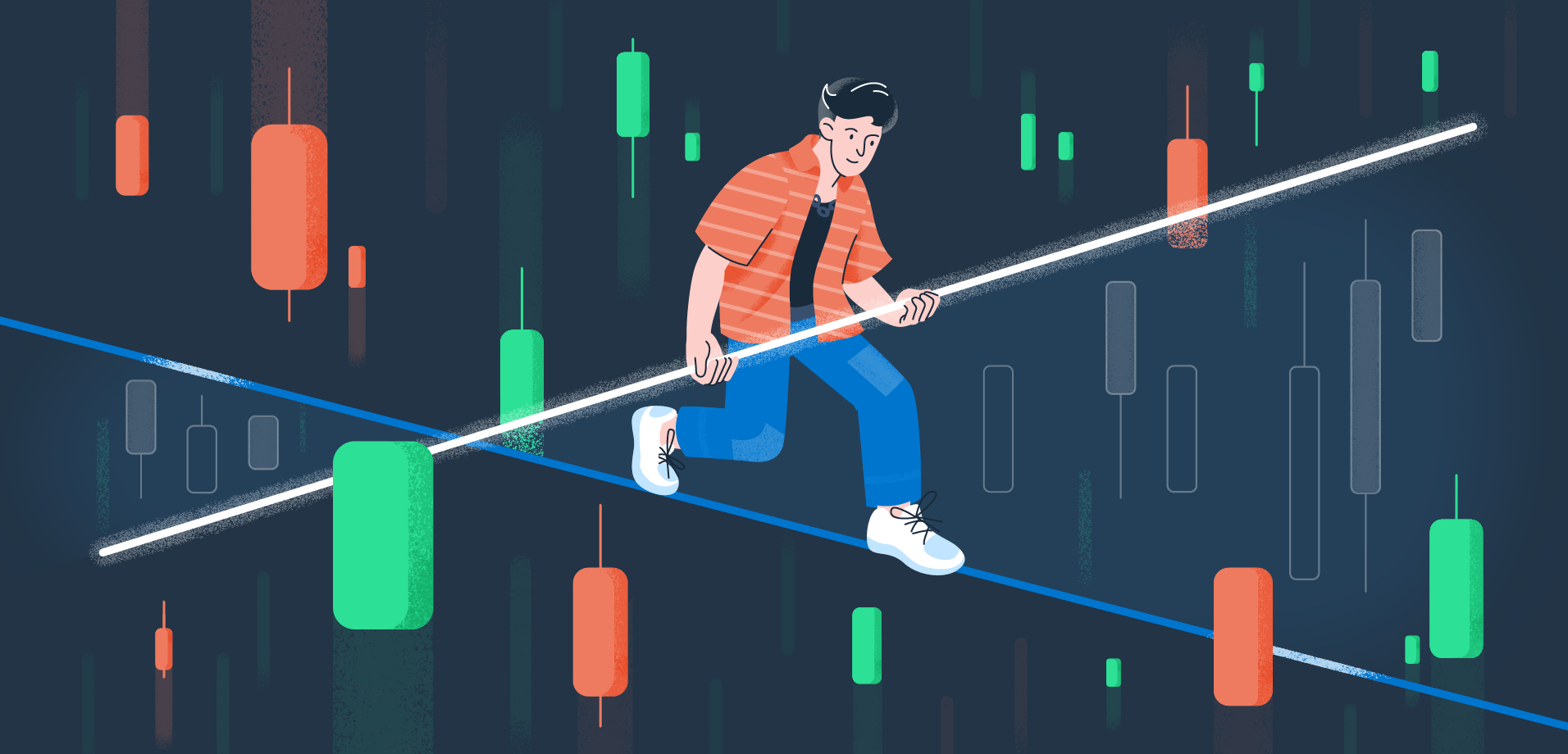
Risk management is critical because it protects your path and helps your advantage keep growing. Without it, a few bad trades can turn your progress into a loss that you can't recover from. It makes a big difference between surviving market shocks and watching months of hard work disappear in one session.
What does risk management really give you? During a recent 60-day training program with 42 challenge participants, we noticed an immediate benefit: more choices. Risk controls protect your money, allowing you to keep trading through changes and test different setups in various cycles.
This helps positive results accumulate rather than being wiped out by a single gap or unexpected announcement. According to TradersDNA, 2025-11-24, "Over 90% of traders fail due to poor risk management." This type of failure is common; it is the main reason why careers end. This highlights how important it is to protect your path rather than just chasing small advantages.
How does poor risk control translate into real damage?
Poor risk controls create a cascading effect. Larger drawdowns require significantly bigger future wins just to break even. Execution quality tends to worsen under stress, and slippage can erode the expected edge. Research shows the impact of effective risk management, a report from Yahoo Finance, 2023-10-01, "A risk management strategy can reduce losses by up to 50%. " This statistic highlights that risk management is not just about being defensive; it really improves performance by reducing both the size of losses and the time it takes to recover.
Why does this become an emotional problem, not just a math problem?
Pattern recognition among traders shows a vital idea: when accounts undergo significant changes, behavior changes faster than rules can adapt. In our group, the quickest failures happened when routines were disrupted, not when trading setups failed. Panic trades, revenge sizing, and rule-bending trigger execution cascades that increase slippage and worsen fills.
Imagine a band playing a tricky song; if one musician misses a beat, it throws off the whole group, making everyone rush and create more noise than music. Well-practiced guardrails help keep a steady rhythm when markets speed up, similar to how our prop firm can provide you with the necessary support to refine your trading strategies.
How does disciplined risk connect to scaling and funding?
Disciplined risk management is crucial for traders who want to grow and secure funding. Many traders start with good plans but soon face scaling problems: rules that worked well when they were trading smaller amounts don't work as effectively when they trade larger amounts. The pressure of enforcing these rules can add to the problem.
A common way to handle risk is to do so on the fly, as this method seems flexible and requires no new systems. However, this approach can lead to hidden costs, such as inconsistent position sizes and unintended connections between trades, making it harder to follow the challenge's rules reliably. Platforms like Goat Funded Trader provide fake capital and controlled environments, helping traders practice discipline while dealing with larger amounts. This rehearsal helps confirm that they are consistent before real payouts are available.
What operational blind spots routinely trip traders?
Operational blind spots that often cause problems for traders usually stem from procedural issues, not from theory. Problems like slow or manual risk checks, inconsistent stop rules across different places, and poor trading journaling create small bumps. These bumps can add up, turning a slight loss into a significant operational issue.
By thinking of risk management as an operating system, traders can stop putting out fires and start to optimize performance metrics. This includes metrics like realized slippage, the distribution of consecutive losses, and recovery time windows.
What does Goat Funded Trader offer?
Goat Funded Trader gives you access to simulated accounts up to $800K as a prop firm, featuring the most trader-friendly conditions in the industry. There are no minimum targets, no time limits, and triple paydays with up to 100% profit split.
Join over 98,000 traders who have already collected more than $9.1 million in rewards, all backed by a two-day payment guarantee with a $500 penalty for delays. Choose customizable challenges, start immediately with instant funding, and sign up to get access to up to $800K today with 25-30% off.
That seeming fix helps a lot. However, the most challenging part is turning rules into reliable behavior, especially when the market flips on you.
What additional resources can help?
For further insights, consider visiting reputable sources that explore current trends in risk management and investment strategies.
How to Implement a Complete Trading Risk Management Strategy

A complete risk management plan includes measurable controls to be used in every trading session. These controls include execution rules that limit slippage, a volatility budget to help adjust sizing, explicit tail protections, and operational fail-safes to prevent mistakes from becoming bigger problems.
This guide shows practical steps that you can start using right away. It covers things from modeling fills to setting up formal scaling gates and recovery routines that help keep funded capital safe.
How do you force execution to behave predictably?
Start by baking execution metrics into your risk rules. Record realized slippage, partial-fill rates, and time-to-fill for each venue. Convert those metrics into a per-instrument slippage budget that you never exceed.
Use limit orders and time-sliced algorithmic execution when market impact matters—reserve market orders only for liquidity windows that you have historically proven to be effective.
Track fills in a simple table and compares them to your projected costs.
If actual execution consistently underperforms, consider shrinking the size or changing the venue until your model aligns with reality.
Think of this process as calibrating a precision tool, rather than making guesses.
Where should stop orders and order types fit into your plan?
Stops must be rules, not just hopes. Most traders use stop-loss orders as a main way to manage risk, according to Seacrest Markets Blog, 2025-01-01, which is why you must specify the stop type and expected slippage for every setup.
Choose stop-limit or stop-with-maximum-slippage when you cannot accept big fills, and use trailing stops only when your volatility budget allows you to capture profits without inviting too much market noise. Record each stop activation, what caused it, and whether the execution matched your planned slippage; this short process turns random exits into events you can learn from.
How do you size positions when market volatility moves?
Make volatility the central part of your sizing model. Use ATR, implied volatility, or realized vol to change a fixed risk amount into units, so each position has the same dollar risk even as prices change. Automate that calculation with a position-sizing tool, and follow a rule that you never ignore the output without writing down an exception.
Position sizing calculators are used by 65% of traders to manage risk, according to Seacrest Markets Blog, 2025-01-01, which is why the calculator should be your starting point, not optional. Add a volatility budget line item to your daily routine, setting aside a limited share of total daily volatility for active trades so you do not accidentally put too much exposure on high-volatility days.
What do you do for rare, high-impact moves?
Plan for tail events with trim, clear hedges, and contingency cash. Options can protect a funded account when they are the right size and time-limited. However, they come with costs and require established rules: set a hedge trigger, a maximum monthly hedge premium, and an exit condition based on realized movement.
When hedges are considered inappropriate, apply a rapid drawdown protocol. This method reduces the size and requires a review, rather than allowing a single big shock to weaken the runway.
Treat tail protection like insurance; buy it only when the odds and cost make sense, rather than seeing it as a constant burden on performance.
How do you harden operations so human mistakes do not cause outsized losses?
Operational controls are just as necessary as trading rules. Create a kill switch that flattens positions when connectivity or market data fails. Also, automate daily checks of open risks against the allowed exposure. Ensure there is a requirement for sign-off for any changes in size that exceed set limits.
Establish backup plans for connectivity, keys, and alerts to prevent a single issue from cascading into a series of failures. Conduct scheduled practice runs to simulate situations with delayed fills or repeated rejections. Check if your guardrails successfully prevent outsized losses when execution goes wrong.
When is it sensible to scale up, and when do you pull back?
Establish step-up gates, which are a series of clear goals that need to be met before increasing the amount of money at risk. Examples include achieving consecutive months of positive results, keeping slippage within an acceptable range, and maintaining an advantage over a given time frame.
Also crucial are the pull-back triggers that should work automatically; for example, consecutive losses exceeding a specific limit or a sudden increase in correlation between positions. These gating rules make scaling a predictable, repeatable process rather than an emotional decision made when one feels lucky.
How can teams improve the efficiency of risk tracking?
Most teams track risk using spreadsheets and manual checks because it is easy and quick. The hidden cost appears as you increase size: version conflicts, missed exposure across positions, and slow enforcement that turns small mistakes into significant losses. Platforms like Goat Funded Trader provide simulated capital pools of up to $2M, with enforced rules and quick payout pathways. This allows traders to practice discipline on a larger scale and shorten the time between proving their process and receiving rewards.
What is a good post-trade ritual?
Building a short, strict post-trade ritual is really important for getting better. After every trade you finish, write down the trigger, how you did compared to your plan, how you felt, and one action you will take to improve next time. Keeping this practice for 30 days will set up a feedback loop that helps you avoid making the same mistakes more effectively than any new indicator. This ritual, along with automated dashboards and kill switches, is how consistent traders turn rules into habits.
Why is proper risk management crucial for traders?
Picture risk management like a cockpit. The instruments need to be easy to read at a glance, the crew should practice emergency procedures, and the checklist must be followed even when the runway appears clear. What is installed now decides if a trader can keep flying when a storm comes.
What is the wrinkle about scaling that is often overlooked?
This simple improvement changes everything. There is a critical detail about scaling that most programs do not mention.
Where can I learn more about risk management strategies?
For those interested in improving their knowledge of risk management strategies, a helpful resource is an article on Forbes.
Related Reading
- CFD Trading
- CFD How It Works
- CFD Broker
- CFD Meaning
- CFD Simulation
- CFD Analysis
- CFD Trading Platform
- CFD Account
- CFD Modeling
- CFD Forex
- CFD Online
- CFD Trading App
- Regulated CFD Brokers
Get 25-30% off Today - Sign up to Get Access to Up to $800K Today
To turn disciplined risk-management routines into profitable and scalable trading, consider Goat Funded Trader as a great platform to practice within real constraints while earning rewards for consistent performance. Goat Funded Trader offers access to simulated accounts of up to $800K. It features trader-friendly rules, such as no minimum targets and no time limits.
Additional benefits include instant funding options, triple paydays with profit splits of up to 100%, a two-day payment guarantee, and a sign-up discount of 25–30%. Sign up to get access today.
Be Great and get the App