


Trading Tips

9 Best Prop Firms in South Africa for Traders in 2026

Best Prop Firms in South Africa: Goat Funded Trader reveals 9 top-rated proprietary trading firms for 2026. Compare fees, profit splits & requirements.

Traders across South Africa can access substantial trading capital without risking their personal savings through proprietary trading firms. What is a funded account allows individuals to trade forex, indices, or commodities using a firm's capital while keeping a significant portion of the profits they generate. The best prop firms in the region offer favorable evaluation processes, competitive payout structures, and supportive trading conditions that help traders scale their careers with minimal personal financial exposure.

South African traders benefit from platforms that provide flexible account sizes, reasonable challenge requirements, and profit splits designed for sustainable growth. These firms support both emerging and experienced traders with straightforward rules and comprehensive guidance throughout the evaluation process. Success depends on choosing the right prop firm that aligns with individual trading goals and provides the framework needed to transform trading potential into consistent income.

Summary

  • Proprietary trading firms solve a fundamental problem for South African traders: currency depreciation and limited capital access that make building meaningful trading accounts nearly impossible. The rand's volatility erodes savings faster than most traders can accumulate capital, while converting to dollars for international markets incurs fees and exchange-rate losses before placing a single trade. Funded accounts denominate capital in hard currency and provide institutional leverage ratios up to 1:100, enabling position sizing without risking personal savings earmarked for emergencies or property deposits.
  • The evaluation model creates contained-risk environments in which mistakes cost hundreds rather than tens of thousands. Pay R2,000 for a challenge, violate risk rules, and you lose that fee but nothing more. Compare that to blowing through R50,000 in personal savings while learning the same lessons through live market losses. Industry data shows evaluation pass rates hover around 10-15%, meaning most traders pay fees without reaching funded accounts, but those who do demonstrate the discipline and risk management that generate consistent returns under pressure.
  • Scaling programs separate firms that build long-term partnerships from those that cycle through evaluation fees. Traders who maintain a 5% monthly return on a R30,000 personal account earn R1,500 before costs, which is hardly enough to justify the time investment. That same performance on a $50,000 funded account at an 80% profit split generates $2,500 per month, doubling to $5,000 when scaled to $100,000, based on demonstrated consistency. The income trajectory shifts from linear to exponential, driven entirely by performance rather than savings rate or family wealth.
  • Payout speed reveals operational priorities more clearly than profit splits or account sizes. Firms that process withdrawals within hours treat cash-flow predictability as an infrastructure priority, while those that create weeks-long verification delays signal that trader success ranks below fee collection. The difference compounds over months, affecting whether you can reinvest in evaluation attempts, cover expenses predictably, and maintain the emotional stability that consistent trading requires, versus constantly managing cash-flow stress that bleeds into trading decisions.
  • Platform stability during volatile markets determines whether you can actually honor risk rules when execution matters most. Technology that performs flawlessly in routine operations but experiences latency spikes or disconnections during high-impact news creates untenable risk management situations. You cannot respect daily loss limits when orders fill seconds late at prices far from intended entry prices, making infrastructure reliability as critical as capital itself for traders in regions with connectivity challenges such as load shedding.
  • Goat Funded Trader addresses these challenges with proprietary technology that offers raw spreads from 0.1 pips, zero commissions on indices and cryptocurrencies, and payout processing within nine hours, backed by a 2-day guarantee and $500 penalties for delays.

What is a Prop Firm, and How Does It Work?

A prop firm provides trading capital, allowing you to trade with its funds after you demonstrate profitability within defined risk parameters. You can keep 70% to 95% of the profits you generate, while the firm handles the financial risk beyond your initial evaluation fee. This approach helps traders access account sizes that would take years to build on their own.

Example: Instead of slowly building a $10,000 personal account over years, you could access a $100,000 funded account within weeks by passing a prop firm's evaluation.

Illustration showing progression from small personal trading account to larger prop firm funded account

"Prop firms have democratized access to trading capital, allowing skilled traders to bypass the traditional years-long capital accumulation process." — Trading Industry Report, 2024

This model transforms traditional trading by enabling skilled traders to access large accounts through a structured evaluation process. The firm generates revenue from evaluation fees and trade profit shares, creating a system that rewards consistent performance and screens out less reliable traders.

Central hub showing interconnected elements of prop firm trading model

Key Point: Prop firms create a win-win scenario in which traders gain immediate access to capital while firms profit from successful traders' performance, eliminating the need for traditional bank loans or personal savings.

How do prop firms structure their evaluation process?

Most prop trading firms start you with a challenge account to demonstrate your ability to trade profitably and with discipline. At Goat Funded Trader, our challenge account allows traders to demonstrate their skills in a simulated trading environment that mirrors live market conditions. The requirements are tough: achieve an 8-10% profit target on the account balance while staying within maximum daily loss limits (around 5%) and overall drawdown thresholds. Some firms use a single-phase approach, while others require a two-step process: an initial profit target, followed by a verification of consistency. A few offer instant funding options with higher fees. With Goat Funded Trader, traders can navigate these challenges effectively.

What skills do the top prop firms in South Africa assess during evaluations?

The evaluation assesses more than profit potential; it also reflects your ability to manage risk under pressure. Daily loss limits prompt traders to close trades quickly, while drawdown rules prevent them from chasing losses with large positions. This approach mirrors the discipline needed for long-term trading success.

What happens after you pass the evaluation?

Pass the evaluation, and you'll get a funded trading account with real or simulated money. You'll make trades in accordance with risk rules, withdraw profits regularly, and the firm will take its share. At Goat Funded Trader, our evaluation process ensures that traders understand and adhere to critical risk management guidelines. If you exceed the risk parameters, the account will be closed, and your personal risk is limited to the initial evaluation fee.

What problem does the prop firm model solve?

Prop firms address a key challenge in trading: capital constraints. Skilled traders often lack the capital to trade at a scale that generates meaningful income. A trader with a 3% monthly return on a $5,000 personal account earns $150, which is hardly worth the effort. That same trader, with a $100,000 funded account, earns $3,000 per month, turning trading from a side hobby into a viable income source.

How do the best prop firms in South Africa generate revenue?

For companies, the model creates recurring revenue through a 10-30% profit share when traders succeed, with losses capped at predetermined levels.

Why does this filtering system work effectively?

This process creates a natural screening method. Traders without strong discipline fail during the evaluation period. Those who successfully pass tend to generate steady returns because they've demonstrated risk management and emotional control, which allows the firm to allocate capital to proven performers while maintaining strict downside protection.

What Separates Modern Prop Firms from Traditional Models

Traditional proprietary trading involved trading desks within banks or hedge funds, where traders used company capital to execute investment strategies, working in the office with salaries and performance bonuses within established trading systems.

How do modern prop firms differ from traditional trading models?

Modern retail-focused prop trading companies, such as Goat Funded Trader, operate remotely and target individual traders worldwide. Traders work from home, pay for evaluation access, and receive profit splits instead of regular salaries. The entry barrier is much lower: no finance degree or institutional connections are required, while performance standards remain strict.

What trading environments do the best prop firms in South Africa offer?

Some prop trading firms trade live capital by routing orders directly to financial markets. Other firms use simulated trading environments with real market data feeds, funding trader payouts through evaluation fees, and company revenue. Despite technical differences, the trader's overall experience and compensation structure remain fundamentally similar.

The Risk Framework

The model depends on strict risk management controls. Daily loss limits help prevent financial failures, while drawdown caps stop account value from dropping quickly. Consistency requirements ensure traders can't reach profit goals through a single lucky trade.

How do risk controls shape trading behavior?

These rules might seem annoying to traders who manage their own accounts. However, they push traders to be more defensive, cut losses quickly, and build profits gradually. Successful traders with funded accounts are systematic, viewing each trade as part of a broader strategy instead of a make-or-break moment.

What happens when traders violate the rules?

Breaking rules results in immediate account closure, with no warnings or additional opportunities. This approach protects both the trading company and the individual trader by stopping the emotional cycle of attempting to recover from a rule violation, which typically causes traders to make increasingly poor financial decisions.

How do scaling opportunities work with funded accounts?

Consistent performance in a Goat Funded Trader trading account opens the door to scaling programs. Show that you can generate profits over several months while following risk guidelines, and trading firms will increase your account size: sometimes doubling it, or adding $25,000 or more. Your profit split may climb from 80% to 90% as you prove long-term reliability.

What career path do the best prop firms in South Africa create?

This creates a unique career path beyond personal finances. A trader starting with a $50,000 funded account who maintains a 4% monthly return could scale to $200,000 within a year, turning a $2,000 monthly income into $8,000 without additional personal investment. At Goat Funded Trader, the firm benefits from managing larger capital deployed by proven traders, and you benefit from exponential income growth tied to performance.

Which firms offer the most aggressive scaling programs?

Not all companies offer aggressive scaling, and some limit account sizes or profit splits. The best firms build long-term partnerships, recognizing that retaining successful traders creates more value than repeatedly evaluating candidates. Platforms like prop firm organize scaling programs that reward consistency, with profit splits reaching 95% and account sizes growing based on proven performance.

The Hidden Complexity

Prop firms aren't a quick path to easy money. Industry-wide, evaluation pass rates hover around 10-15%, meaning most traders pay fees without receiving a funded account. Most who pass break risk rules within the first few months and lose their funding. The model works well for disciplined traders with proven strategies, but it exposes those lacking strategic skills. If you can't consistently manage risk with your own money, you won't develop that skill under firm rules. The evaluation fee becomes an expensive lesson.

What does success with the best prop firms in South Africa require?

Success requires more than making money. You need a strategy with a clear advantage, the emotional discipline to stick to it during tough times, and the discipline to stop trading when daily loss limits are reached. Treat the Goat Funded Trading account like a serious business, not a get-rich-quick scheme.

Why choose prop firms over self-funded trading?

What factors make a proprietary trading firm in South Africa appealing compared to self-funded trading or offshore options?

Why Choose a Prop Firm for Trading in South Africa?

South African traders face special challenges that make proprietary trading firms helpful. Currency fluctuations, limited international broker options, and high personal cash requirements in an economy with rising prices create obstacles that offshore funding models address. Trading with $100,000 in company capital lets traders bypass years of saving, while exchange-rate volatility works against them.

Shield representing financial protection and trading opportunities for South African traders

The benefit goes beyond money limits. Prop firms like Goat Funded Trader provide access to global markets with tools and trading power typically reserved for large financial institutions, creating a level playing field where trading skill, not savings or family wealth, is the primary factor in success.

Key Point: Prop firms eliminate the traditional barriers that prevent talented South African traders from accessing global markets with substantial capital.

Central icon of a prop firm connecting to global markets, trading tools, and financial opportunities

"Trading with $100,000 in company capital lets traders skip years of saving while exchange rate problems work against them." — Market Analysis, 2024

Tip: Focus on developing your trading skills rather than worrying about capital accumulation—prop firms provide the funding you need to trade at institutional levels.

Comparison of trader's potential before and after joining a prop firm

Escaping Currency Depreciation

The rand's instability complicates trading savings. Save 50,000 rand for a trading account, and its buying power erodes rapidly. Converting to dollars for international markets incurs fees and exchange-rate losses, reducing your starting balance before the first trade. Trading accounts in dollars or euros protect traders from rand fluctuations while building skills. Profit splits arrive in strong currency, creating direct protection against local economic problems. For South African traders facing rapid inflation, this strategy offers financial protection beyond marketing promises.

How do leverage ratios differ between local and international firms?

Retail brokers in South Africa limit leverage at conservative rates due to regulatory caution. Prop trading firms like Goat Funded Trader, operating across multiple countries, can offer ratios up to 1:100, using strict drawdown limits rather than total restrictions.

What impact does higher leverage have on position sizing?

This difference dramatically shifts position sizing. A trader with a $20,000 account at 1:30 leverage controls $600,000 in market exposure. A $50,000 funded account at 1:100 leverage controls $5 million, transforming trading from a hobby into a viable income without risking personal savings.

How do the best prop firms in South Africa manage leverage risks?

Higher leverage can make mistakes and successes more significant. At Goat Funded Trader, our prop firm reduces this risk by setting daily loss limits. Skilled traders use leverage carefully, choosing position sizes based on their confidence and the quality of their trading strategy, rather than maximizing account potential.

How do the best prop firms in South Africa overcome broker access limitations?

Many international brokers limit trading options for South African clients due to complex regulations and payment difficulties. Brokers that accept South African traders typically impose obstacles such as higher trading costs, fewer investment instruments, or slower withdrawal processes, which can reduce potential earnings.

What advantages do prop firms provide in trading infrastructure?

Prop trading firms like Goat Funded Trader provide traders with direct access to platforms such as MetaTrader 5, cTrader, or custom systems, with professional-level trade execution. You can trade the same financial instruments as traders in New York or London, with matching spreads and order routing. Where you live becomes irrelevant when the firm manages trading infrastructure and broker connections.

How does prop firm access expand trading opportunities beyond local markets?

This access goes beyond foreign exchange trading. Funded traders can now access indices, commodities, and futures that most South African retail accounts struggle to offer competitively. A trader in Durban can trade Nasdaq futures or crude oil under the same conditions as a trader in Chicago, thanks to Goat Funded Trader's infrastructure that removes local market restrictions.

How do evaluation models protect traders from financial ruin?

The Goat Funded Trader evaluation model helps traders build discipline by using a small R2,000 challenge fee instead of risking R50,000 in personal savings. This method allows traders to learn critical market lessons while minimizing financial risk.

Why does contained risk accelerate learning for traders?

This controlled-risk environment helps traders learn faster by testing trading strategies, improving risk management, and experiencing real trading pressure without jeopardizing their financial future. In this environment, mistakes are smaller and cost hundreds of dollars instead of tens of thousands.

How do profit splits create safety nets with the best prop firms in South Africa?

Profit splits in the trading industry typically range from 70-90%, allowing successful traders to keep most of their earnings while the firm manages downside risk beyond the initial evaluation fee. This arrangement provides a safety net unavailable to independent traders.

How do funded accounts break personal capital limits?

Most South African traders face a limit on personal trading accounts. Achieving a steady 5% monthly return on a R30,000 account yields only R1,500 before expenses, which is insufficient to cover the time and stress involved or replace a regular job's income. Funded trading accounts remove the income barrier immediately. Starting with $50,000, 5% returns yield $2,500 per month at an 80% profit split. Traders can scale to $100,000 after demonstrating consistent performance, which then doubles monthly income to $5,000. The financial path shifts from slow and steady to rapidly growing, driven entirely by trading skills.

How do the best prop firms in South Africa reward scaling?

Scaling programs reward traders who demonstrate reliability. Companies monitor profitability, consistency, drawdown management, and adherence to risk rules. When traders meet these benchmarks across multiple months, their account sizes increase without extra evaluation fees. Some traders begin with $25,000 in a funded account and grow it to over $200,000 within 18 months through disciplined trading.

How does reducing personal financial exposure benefit traders?

Trading with personal funds in South Africa carries the risk of using money intended for emergencies, education, or property deposits. The opportunity cost is substantial, as inflation erodes the purchasing power of cash savings. Prop trading firms like Goat Funded Trader remove the financial tradeoff by allowing traders to use company capital. Losses beyond the evaluation fee will not affect personal finances.

Why do the best prop firms in South Africa improve trading psychology?

This mental shift helps traders make better decisions, quickly stop losing trades, and avoid desperate moves that often ruin trading accounts. The prop trading firm model lets traders experiment strategically. They can test new strategies or trade diverse financial instruments in a funded account, where the primary risk is violating trading rules or losing the account, not personal financial loss. This method accelerates skill development compared to trading with personal funds.

Why do traders need community connections to succeed?

Isolation destroys trading careers. Sitting alone in a Pretoria apartment, second-guessing every decision without feedback, can make even winning strategies feel uncertain. Prop trading firms like Goat Funded Trader provide access to trader communities, Discord channels, and mentorship networks that combat this isolation.

How do the best prop firms in South Africa accelerate trader development?

These communities share setups, discuss market conditions, and hold one another accountable during downturns. Traders can observe how peers handle losing streaks, manage emotions, and refine strategies. This peer learning accelerates development faster than solo efforts, especially for traders in regions with limited local trading culture. Some firms offer structured education, webinars, and performance reviews as ongoing coaching. Better firms recognize that trader success drives revenue, so they invest in helping funded traders improve rather than cycling through endless evaluation attempts.

Competing on Merit, Not Wealth

Traditional finance in South Africa benefits those with money, business connections, or family wealth. Prop trading firms like Goat Funded Trader remove those advantages, making trading performance the only critical factor. A trader in Soweto with a laptop and a consistent strategy can get the same $100,000 in funding as someone in Sandton with a finance degree.

What skills do the best prop firms in South Africa actually require?

This system of rewarding skill and performance attracts traders who feel blocked by barriers in traditional financial markets. You don't need a college degree, connections with brokers, or startup money from family. Instead, you need a strategy that works, the discipline to follow it, and the emotional stability to manage market volatility.

How does the evaluation process prove trading ability?

The evaluation process serves as the ultimate credential. If you pass it, you'll prove more than any college degree or professional recommendation letter could show. You've demonstrated the ability to create profits while effectively managing risks under high-pressure market conditions, which are the most critical skills in live trading environments.

How do the best prop firms in South Africa eliminate infrastructure barriers?

Professional trading requires reliable platforms, live data feeds, and swift execution. Building that technology infrastructure independently costs thousands of dollars annually, preventing most South African traders from entering the market. Funded accounts from Goat Funded Trader come with top-tier technology. You receive advanced charting, automated trading tools, and execution speeds that exceed those of typical retail setups. Our platform manages server costs, data subscriptions, and platform maintenance, allowing you to concentrate fully on trading.

What technology advantages do funded accounts provide during loadshedding?

This technology access extends to mobile trading, enabling traders to manage positions during South Africa's power outages or while away from their primary setup. Companies prioritizing platform stability recognize that reliable execution directly impacts trader performance, and they invest in backup systems and uptime beyond individual traders' capabilities. Platforms like Goat Funded Trader showcase proprietary technology infrastructure that ensures platform stability during volatile market conditions. When execution delays can mean the difference between a controlled loss and a rule violation, technological reliability becomes as critical as the capital itself.

How does the profit split model create sustainable income?

The profit split model provides a steady income stream that personal trading rarely offers. If you generate $10,000 in monthly profits on a funded account with an 80% split, you'll earn $8,000 consistently. By scaling this approach across multiple accounts or larger sizes, trading can transform from a speculative side activity to a primary income source. In South Africa's challenging job market, where youth unemployment tops 60%, prop trading offers an alternative path to financial stability. This approach rewards skill development and discipline over traditional credentials or personal connections.

What approach do successful funded traders take?

Successfully funded traders view trading as a professional business, not a game of chance. They track performance metrics, refine strategies using data, and manage trading like a serious enterprise. Steady 3-5% monthly returns can grow into life-changing income when applied to six-figure accounts, making patience and risk management more critical than pursuing high-risk, big trades. However, none of this matters if the legal structure doesn't support it or puts you at risk for participating.

Related Reading

Are Prop Firms Legal in South Africa?

Yes, proprietary trading is legal in South Africa. No law prevents South African residents from participating in evaluations of prop trading firms or from trading funded accounts, whether those firms operate locally or internationally through Goat Funded Trader.

Shield icon representing legal protection and approval for prop trading in South Africa

Key Point: South African traders can legally participate in prop firm challenges and trade funded accounts without regulatory restrictions.

Warning: While prop trading is legal, always verify that the specific prop firm you choose operates with proper licensing and regulatory compliance in its jurisdiction.

Checklist showing key legal points for prop trading in South Africa

  • Legal Aspect: Proprietary Trading Participation
    • Status:Fully Legal
    • Details: There are no specific laws in South Africa that prohibit individuals from participating in proprietary trading. It is considered a contractual arrangement between a trader and a firm.
  • Legal Aspect: International Prop Firms
    • Status:Allowed
    • Details: South African residents are legally permitted to contract with overseas capital providers. While these firms are often not regulated by the local FSCA (Financial Sector Conduct Authority), no regulations prevent citizens from using their platforms.
  • Legal Aspect: Funded Account Trading
    • Status:Permitted
    • Details: Trading on a funded account—where you trade the firm's capital rather than your own—is allowed. Since you are not "investing" your own money into the markets, it falls outside typical retail investment restrictions.
  • Legal Aspect: Evaluation Challenges
    • Status:No Restrictions
    • Details: Participating in paid "challenges" or "auditions" to prove trading skill is legal. These fees are generally classified as service or entrance fees rather than deposits into a regulated financial product.
  • "South African financial regulations do not prohibit residents from engaging with proprietary trading firms, making it one of the more accessible markets for aspiring funded traders." — Financial Markets Analysis, 2024

    Two icons connected showing the relationship between prop firms and legal compliance

    How does regulatory oversight affect the best prop firms in South Africa?

    The Financial Sector Conduct Authority (FSCA) monitors brokers who manage client money, though most trading firms are exempt from this oversight because they use proprietary investment capital.

    What opportunities does this legal clarity create for traders?

    This legal clarity opens opportunities. You can connect with global prop trading firms, complete evaluations, and withdraw earnings without personal regulatory permissions. The key difference is that prop trading is separate from activities like providing investment advice, which require FSCA authorization. As a prop trader, you function as a performance-based contractor, not a financial services provider.

    Why do prop firms operate outside traditional regulation?

    The Financial Services Conduct Authority (FSCA) protects consumers who deposit money with financial institutions or purchase financial products such as contracts for difference (CFDs). Proprietary trading firms like Goat Funded Trader operate differently: traders pay an evaluation fee for a trading challenge, similar to an online course. The firm doesn't hold deposits, make promises of returns, or manage investments.

    How do the best prop firms in South Africa structure their trading arrangements?

    When trading a Goat Funded Trader account, you complete trades using the company's capital under a profit-sharing agreement. Goat Funded Trader owns the account, sets risk limits, and covers losses beyond your evaluation fee. This setup mirrors independent contractor arrangements where you provide trading skills in exchange for profit splits. According to Moonstone's analysis of FSCA licensing requirements, proprietary trading sidesteps regulatory categories because capital, decision-making, and risk remain with the company rather than the trader.

    When does FSCA licensing become relevant for prop firms?

    A prop trading firm in South Africa needs FSCA registration when offering CFDs to local clients, providing trading advice, or pooling client funds. Many firms blur regulatory lines by combining prop trading with brokerage or advisory services, which requires FSCA oversight.

    How do international prop firms serve South African traders?

    International prop trading firms serving South African traders follow regulations from their home countries, like the United States, the United Kingdom, and the European Union. The FSCA primarily focuses on enforcing rules for companies marketing to South Africans or operating locally, rather than overseas firms that accept individual trader applications. International firms have oversight. Trustworthy companies maintain licenses in their home jurisdictions and follow global anti-money laundering standards. South African traders can access these platforms as individual participants, a process that requires careful research and due diligence.

    What does regulatory freedom mean for traders?

    You don't need permission to trade with a prop trading firm like Goat Funded Trader. No license, no financial services authority approval, no registration process. You sign up, pay the evaluation fee, and start trading if you meet the firm's requirements. This accessibility eliminates significant regulatory barriers that traditionally complicate financial trading.

    What are the risks of unregulated prop trading?

    The trade-off involves taking personal responsibility. Without Financial Services Conduct Authority (FSCA) oversight, you can't rely on regulatory protections if conflicts arise. If you select a company that changes payment terms or refuses to release profits, you'll have few options beyond the firm's dispute resolution process. While the FSCA publishes warning lists of unauthorized companies, absence from that list doesn't automatically mean the firm is trustworthy.

    How do you verify the best prop firms in South Africa?

    Smart traders verify a trading platform's legitimacy before paying evaluation fees. They should review the company's registration, carefully read the terms to identify hidden clauses regarding payouts or account termination, and seek reviews from South African traders who have successfully withdrawn funds.

    What are the tax rates for prop trading profits in South Africa?

    Tax rates in South Africa range from 18% to 45%, and the South African Revenue Service (SARS) considers profits from property trading as taxable income. How you classify your earnings—whether as business income or speculative gains—impacts potential deductions and tax treatment, but you must report all earnings.

    How does SARS monitor foreign income from the best prop firms in South Africa?

    The IRS is increasingly examining foreign income from property trading. Receiving payments from overseas organizations without reporting them can trigger tax audits, financial penalties, and potential criminal charges for tax evasion. The legal right to participate doesn't exempt you from tax reporting requirements.

    What deductions can prop traders claim on their taxes?

    Talk to a tax expert who specializes in trading income. Deductible expenses include evaluation fees, platform costs, and data subscriptions. How you classify your income can affect how losses offset gains and which tax deductions you can claim, helping you avoid overpaying or facing potential penalties.

    What are South Africa's exchange control regulations for prop trading?

    South Africa's exchange control rules, managed by the South African Reserve Bank, regulate international money transfers. Residents can send money overseas for valid reasons, such as paying Goat Funded Trader evaluation fees, provided they comply with annual spending limits (R1 million per adult without tax approval; R10 million with approval).

    How do payout regulations work for the best prop firms in South Africa?

    Getting payments from international prop trading firms typically doesn't violate exchange control rules because you're earning money for trading services, not moving capital out. The money enters the country in accordance with regulations that prevent capital flight. Most prop firms pay through bank transfers, PayPal, or cryptocurrency, which South African residents can legally receive. At Goat Funded Trader, our prop trading platform ensures smooth, compliant payment processes for traders.

    What compliance requirements apply to cryptocurrency payouts?

    Cryptocurrency payouts create regulatory challenges. While legal to own and trade in South Africa, crypto falls into a grey area for tax and exchange control purposes. The South African Revenue Service (SARS) requires crypto transactions to be reported, and converting large amounts into rand via local exchanges may trigger reporting obligations. The benefit of fast, low-fee international transfers comes with important compliance responsibilities.

    Choosing Firms That Support Long-Term Success

    Legal access to prop trading firms doesn't guarantee fair chances. Some companies focus more on collecting evaluation fees than helping traders succeed, creating systems that hinder trader progress. At Goat Funded Trader, we build sustainable models where trader profits drive our company's growth, creating shared goals for long-term partnerships.

    What makes payout processes reliable and transparent?

    Look for companies with clear payout processes that process withdrawals reliably and quickly. Traders report varying experiences, from near-instant payouts to weeks-long delays. Companies that view payouts as an administrative hassle show their true priorities. The best firms understand that consistent, fast payouts build trust and keep traders satisfied, making happy traders their most effective marketing tool.

    How do scaling programs among the best prop firms in South Africa create value?

    Scaling programs are more important than initial account sizes. A company offering $200,000 starting accounts without a growth plan provides less long-term value than one starting at $50,000 that doubles accounts every six months based on performance. Platforms like Goat Funded Trader design scaling programs to reward consistency, with profit splits reaching 95% as you demonstrate reliability, treating capital allocation as an investment in proven performers.

    Why does technology infrastructure matter for trading success?

    Technology infrastructure distinguishes serious trading platforms from casual offerings. Platform stability in volatile markets, fast execution that prevents slippage, and backup systems that keep you trading during outages are crucial when rule violations could result in account termination. At Goat Funded Trader, we understand that trader success relies on dependable infrastructure, not merely access to capital.

    What risks remain despite legal compliance?

    Legal participation doesn't guarantee risk-free trading. The evaluation model benefits firms financially, with most traders paying fees before reaching funded accounts. Funded traders face strict rules: a single violation can terminate their accounts, and trading firms' capital with daily loss limits creates unique emotional pressures absent in personal trading.

    How do unregulated firms affect the best prop firms in South Africa?

    Unregulated international companies can change contract terms independently. Profit shares, payment schedules, or performance requirements may change after you've invested time and money, leaving few options beyond accepting the new terms or leaving. Without official financial oversight, you depend entirely on the company's trustworthiness and business model stability.

    What warning signs indicate prop trading scams?

    Scam prop trading firms are a problem in the financial world. These fake companies hide behind a professional appearance while using deceptive tactics. Red flags include promises of guaranteed profits, high-pressure recruitment tactics that offer trader bonuses, or businesses that prioritize evaluation fees over trading performance. Genuine prop trading firms like Goat Funded Trader concentrate on measuring trader performance, managing risk, and creating fair trading environments.

    The Regulatory Future

    South Africa's financial rules and oversight are evolving as new trading methods emerge. The Financial Sector Conduct Authority (FSCA) regularly assesses whether previously uncontrolled trading activities should now be regulated, particularly as professional trading expands.

    What future regulations might affect the best prop firms in South Africa?

    Future regulations might require licensing, capital standards, or consumer protection rules for companies serving South African traders. Right now, the legal environment supports open access and opportunities. Traders can join freely, select global firms, and generate trading income without significant regulatory barriers. This freedom also means traders must take responsibility for conducting thorough research, filing tax returns, and managing risk.

    How will regulatory changes distinguish quality firms from poor ones?

    The most successful companies won't exploit legal loopholes; they'll create lasting business models in which trader success drives company growth. They will welcome clearer rules as a competitive advantage, distinguishing serious operations from short-term businesses. As the industry develops, the difference between firms that merely provide capital and those that actively support traders will become more apparent. Understanding the legality of prop trading is crucial when identifying companies worth your evaluation fees.

    9 Best Prop Firms in South Africa in 2026

    The top prop trading firms in 2026 focus on clear payout processes, growth programs that reward consistent performance, and strong technology systems. South African traders need partners who treat capital allocation as an investment in proven performers, not a chance. These nine firms stand out by creating systems where trader success directly drives their growth, establishing aligned incentives that transcend industry trends.

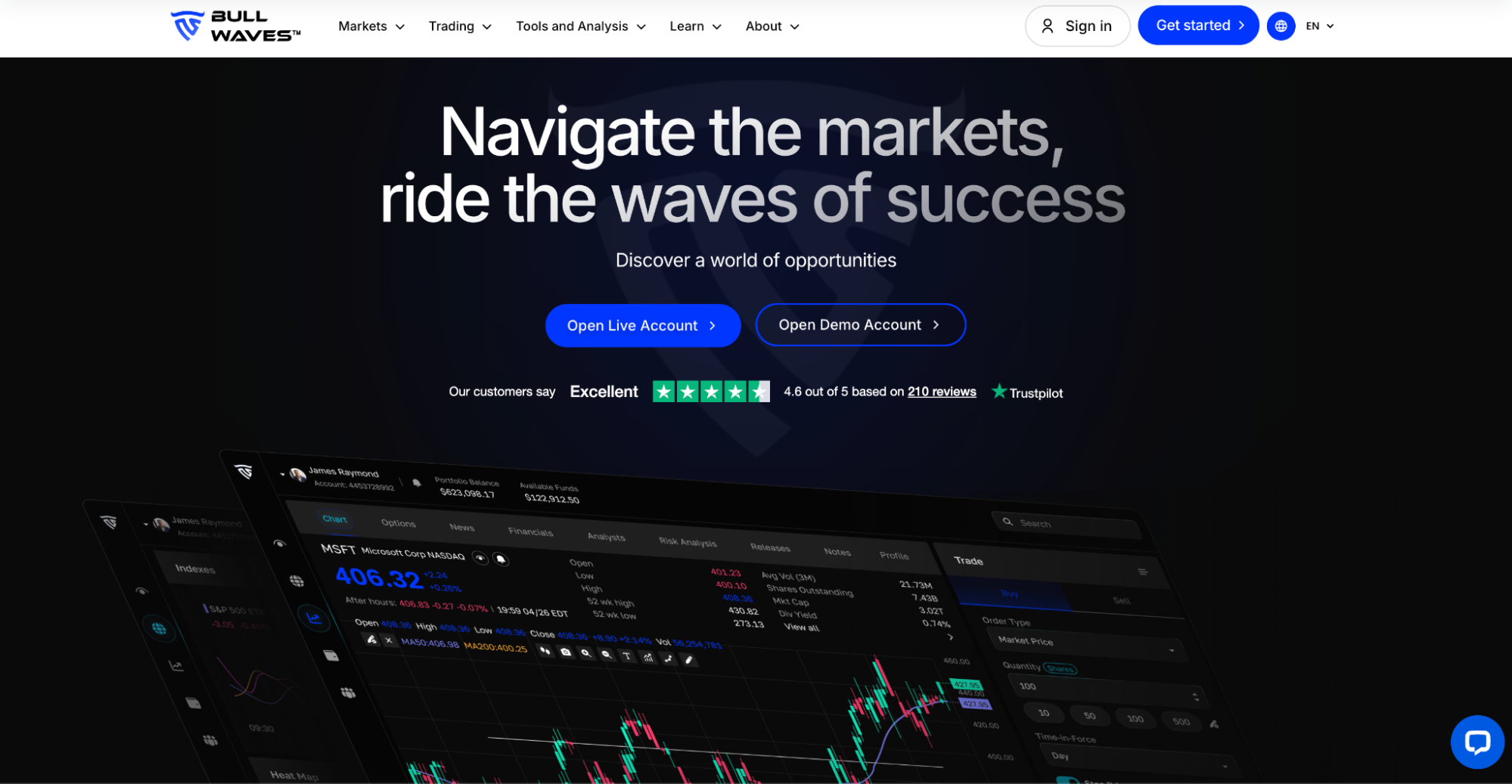
    1. Goat Funded Trader

    Goat Funded Trader

    At Goat Funded Trader, we provide South African users with virtual capital up to $2 million, enabling market participation and earnings from strong performance. Our company has paid out over $15 million to 250,000 participants worldwide, with no location restrictions. Our platform reduces personal risk and boosts potential gains through flexible assessment paths, supporting assets such as currency pairs, stocks, ETFs, and cryptocurrencies on mobile and desktop.

    Key Features

    • Challenge Varieties: Offers Goat Account in one, two, or three stages, plus Blitz Account and instant funding options without evaluations.
    • Profit Objectives: Vary by model: 10% for single-stage, 8%/6% or 10%/5% for dual-stage, 6%/6% for triple-stage, and 5% for Blitz.
    • Daily Loss Limits: Typically 4%, with 2% on Blitz and 3-4% or none on instant accounts.
    • Overall Drawdown Caps: Range from 4% to 10%, depending on the selected path.
    • Phases Involved: Single, dual, or triple for challenges; none for instant access.
    • Time Restrictions: Unlimited duration for most, with no deadlines emphasized.
    • Minimum Activity Days: 5 days are required for certain challenges, like single-stage and Blitz.
    • Account Capacities: From $2,500 to $400,000 initially.
    • Entry Charges: One-time fees starting at $17 up to $1,948, fully refundable upon achievement, with discounts like 35% off plus 300% refund via codes.
    • Earnings Distribution: Standard 80%, with options for 65-95% or 100% through add-ons.
    • Reward Timing: Bi-weekly standard; on-demand available; every 10 days for some; with guarantees of processing within 2 business days or bonus compensation.
    • Trading Interfaces: Mobile apps for iOS/Android, web-based PC terminals, and a dedicated dashboard.
    • Asset Classes: Includes forex, stocks, ETFs, and cryptocurrencies.
    • Execution Details: Raw spreads from 0.1 pips, zero commissions on indices and cryptos, fast order fulfillment.
    • Leverage Levels: Up to 1:100 for many, 1:30 for select single-stage.
    • Position Rules: Permits holding over weekends and during news events.
    • Expansion Opportunities: Scaling to $2 million in simulated funds through consistent performance.
    • Support Services: 24/7 assistance, custom stats tracking, and a community of over 250,000 users.

    Why South African Traders Choose Goat Funded Trader

    South African traders select this platform for its emphasis on minimal personal risk paired with substantial reward potential, allowing access to large simulated balances without accountability for downturns. The flexible structures, including no-phase instant funding and unrestricted timelines for challenges, appeal to those who prefer a pressure-free environment. Features like full fee refunds, high leverage, and permission for news-based strategies or weekend positions provide strategic freedom not always found elsewhere. 

    Rapid reward access, bi-weekly or on-demand, with swift processing guarantees, ensures quick liquidity, while the scaling mechanism supports long-term growth to $2 million. Backed by proprietary technology that offers tight spreads and no fees on certain assets, plus a track record of $15 million in distributions, it fosters trust and sustainability. Its global reach, without barriers, makes it ideal for South African users seeking reliable, tech-driven opportunities in a supportive environment.

    2. OneFunded

    One Funded

    This UK-operated company, managed by Brynex Tech Ltd, offers straightforward processes and equal opportunities for all users, with South Africans able to participate freely.

    Key Features

    • Evaluation Paths: Includes a single-stage test with a 10% return target, a dual-stage version with 8% and 5% targets, and a limited-edition version with 7% and 4% targets.
    • No Deadlines: Users can complete assessments at their preferred speed without expiration pressures.
    • Account Scales: Options range from $2,000 to $200,000 per profile.
    • Loss Thresholds: Daily caps of 4-5%, total drawdowns of 6-11% based on the model.
    • Entry Costs: Range from $23 to $564, with refunds available upon success.
    • Earnings Share: Standard 80%, upgradeable to 90% via extras.
    • Trading Systems: Supports cTrader, TradeLocker, and MetaTrader 5.

    3. The5ers

    The5ers

    Established in 2016 with bases in Israel and London, this veteran provider emphasizes steady advancement and clear operations, prioritizing genuine market access for South African traders.

    Key Features

    • Program Varieties: Features a two-stage high-risk model (8%/5%), a three-stage affordable bootcamp (5% each), a single-stage rapid growth (10%), and direct funding without tests.
    • Unlimited Timeline: No rush to meet objectives across any format.
    • Capital Levels: Initially $5,000 to $100,000, scalable to $4 million.
    • Risk Boundaries: Daily losses 4-6%, trailing overall limits 6-10%.
    • Starting Fees: As low as $39, depending on your choice.
    • Profit Division: Begins at 50-80%, potentially reaching 100% for elites.
    • Minimum Activity: Requires 3-5 winning sessions with at least 0.5% gains.

    4. FTMO 

    FTMO 

    Founded in 2015 in Prague, this influential entity has distributed over $500 million in rewards across 140+ nations. It provides a trial period for practice. South Africans have unrestricted access to its rigorous yet fair system.

    Key Features

    • Assessment Structure: Two-phase process with 10% initial goal dropping to 5%, plus aggressive and swing variants.
    • Flexible Duration: No fixed end dates for evaluations.
    • Funding Sizes: €10,000- €200,000.
    • Drawdown Rules: Daily max 5-10%, total 10-20% per type.
    • Challenge Prices: €89 to €759, refunded post-success.
    • Revenue Cut: 80% base, upgradable to 90%.
    • Expansion Potential: Grow to $2 million via quarterly 25% boosts.

    5. City Traders Imperium 

    City Traders Imperium 

    Launched in 2018 by London-based founders Martin Najat and Daniel Martin, this Dubai-based firm focuses on education and guidance. It includes access to the academy and community features. South Africans can join all tiers without limits, aiming for an allocation of up to $4 million.

    Key Features

    • Challenge Types: Two-phase (10%/5%) or single-phase (8%) setups.
    • Open Schedule: Progress without time constraints.
    • Account Ranges: $2,500 to $100,000 starting points.
    • Loss Controls: 5% daily where applicable, 5-10% max static/trailing.
    • Access Fees: $39 to $689.
    • Sharing Ratio: 80% start, up to 100% through VIP levels.
    • Perks System: Tiers provide faster payments, higher commissions, and higher salaries.

    6. FXIFY 

    FXIFY 

    Founded in 2023 by UK entrepreneurs David Bhidey and Peter Brown, this entity partners with veteran broker FXPIG to deliver superior execution. Having issued $ 30+ million in payments, South Africans can access all five paths without hurdles.

    Key Features

    • Funding Avenues: One, two, or three phases; instant access; or a quick seven-day test.
    • No Time Caps: Except for the accelerated option.
    • Balance Options: $5,000 to $400,000 for most.
    • Risk Parameters: Daily 4-8%, trailing/static max 6-10%.
    • Initial Charges: From $39, refundable in many cases.
    • Income Split: 75-90% with add-ons.
    • Growth Path: Scale to $4 million via 10% quarterly achievements.

    7. RebelsFunding 

    RebelsFunding 

    This Slovakia-based provider, active in its current form for recent years but with roots back to 2008, targets cost-conscious users by minimizing upfront barriers and emphasizing quick rewards. It features a custom RF-Trader platform tied to TradingView tools. South Africans face no entry restrictions and benefit from ultra-fast reward processing.

    Key Features

    • Program Tiers: Five levels from Copper (entry) to Diamond (advanced), with varying phases and targets.
    • Flexible Timeline: Unlimited duration across all assessments.
    • Profit Goals: Range from 5% to 10% depending on tier.
    • Risk Limits: Daily caps 4-5% or none in top tier; max drawdown 5-10%.
    • Starting Prices: From $25 for the smallest options.
    • Revenue Share: 50-90%, progressing higher with performance (e.g., 80-90% in base tier).
    • Reward Speed: Every 12 hours possible, plus up to 200% fee refunds for strong results.

    8. ThinkCapital

    ThinkCapital

    Launched in 2024 as a division of the established ThinkMarkets broker (regulated by FSCA in South Africa, among others), this firm delivers institutional execution quality and added credibility through direct broker integration. It supports ThinkTrader alongside popular options. South Africans gain from local regulatory ties and scaling to $1.5 million.

    Key Features

    • Evaluation Models: One-step Lightning (10%), two-step Dual (8%/5%), three-step Nexus (5% each).
    • No Time Pressure: Unlimited periods for standard paths.
    • Funding Ranges: $5,000 to $200,000 initially.
    • Drawdown Rules: Daily 3-5%, trailing/static max 6-10%.
    • Entry Fees: Starting at $39- $49.
    • Profit Allocation: 80% standard, upgradable to 90%.
    • Add-On Flexibility: Options for EAs, news permissions, and faster payouts.

    9.

    BrightFunded

    This Netherlands-originated firm, introduced in late 2023, has built momentum and a loyalty system that rewards ongoing activity. It provides multiple platforms and no ceiling on account expansion. South Africans participate without geographic limits.

    Key Features

    • Assessment Format: Standard two-phase process (8% then 5%).
    • Open Duration: No deadlines for completion.
    • Account Sizes: $5,000 to $200,000 starting.
    • Loss Parameters: 5% daily cap, 10% overall max.
    • Challenge Costs: €55 to €975 range.
    • Earnings Division: 80% base, scaling to 100% via performance tiers.
    • Loyalty Feature: Trade2Earn tokens for discounts, upgrades, and free attempts.

    Most traders choose firms based on account size or profit splits, but those metrics hide what actually determines long-term success.

    Related Reading

    How to Choose the Best Prop Firm as a Trader in South Africa

    Focus on three key elements that can't be compromised: how quickly you get paid, the growth structure, and platform reliability. Companies that slow withdrawals, arbitrarily limit your potential, or experience system crashes during intense trading periods reveal their true intentions. Your goal is to find operational dependability that helps you progress from a funded trader to someone earning a steady income.

    Three interconnected icons representing payment speed, account growth, and platform reliability for prop trading firms

    The firms that will succeed in the long term view your success as their core business strategy. When money transfers happen in hours instead of days, when account sizes expand based on your performance, and when trading execution remains stable during major news events, you're seeing an infrastructure designed for true partnership. Everything else is a background distraction.

    Payout Reliability Separates Real Partners from Fee Collectors

    The withdrawal process reveals a company's true approach. Some businesses view payouts as an administrative hassle, creating delays in verification and payment processing. Others handle requests quickly, understanding that steady cash flow is as important as profit sharing.

    How can you test withdrawal reliability before committing?

    Test this before committing serious time. Check out trader reviews that discuss withdrawal experiences. Look for patterns in processing times, payment method reliability, and verification request handling. A company that makes requesting your money feel like a complicated negotiation isn't building a strategy for long-term trader loyalty.

    Why do payout delays impact trading performance with Best Prop Firms in South Africa?

    The impact grows over time. Get paid every two weeks without delays, enabling reinvestment in evaluation attempts, covering apartment expenses predictably, and maintaining the emotional stability consistent with trading requires. Long withdrawal wait times create cash-flow stress that directly affects trading decisions.

    Scaling Programs That Reward Consistency Over Luck

    Account growth methods reveal how a company invests in successful employees or evaluates and replaces staff. Some businesses make vague promises about growth, while others set clear performance standards: meet specific profit goals for multiple months without breaking risk guidelines, and your financial resources will increase by set amounts.

    How do the best prop firms in South Africa measure trading consistency?

    The best scaling strategies connect growth with reliability metrics, not profits alone. A trader who earns 15% in one month but exceeds daily loss limits is inconsistent. Another trader who earns steady 4% monthly gains over six months with zero rule violations demonstrates the discipline that justifies larger capital allocation. Look for companies that clearly share their scaling criteria. How much do accounts grow? What performance period qualifies you? An 80% profit split represents standard industry terms, but the true value emerges when that split increases to 90% or 95% as you demonstrate sustained excellence across larger account sizes.

    What red flags indicate poor scaling programs?

    Growing a business without clear performance goals reveals that a company prioritizes marketing statements over fiscal responsibility. When every team expands without tracking results, the program appears designed to attract reviews rather than help people build valuable skills.

    Platform Stability During Market Volatility

    Technology infrastructure is crucial during market volatility. A platform that fails during key news releases creates untenable risk-management challenges. Traders cannot maintain daily loss limits when orders process seconds late at prices far from their planned entry points.

    How do the best prop firms in South Africa ensure reliable execution?

    Custom technology designed specifically for prop trading typically outperforms generic white-label solutions. At Goat Funded Trader, our specialized platforms demonstrate our dedication to trader success through dependable execution, while standard interfaces prioritize cost-cutting over performance. Test platform performance during market volatility before spending evaluation fees. Open a demo account or review trader reviews to assess how the platform behaves during major market announcements. Slippage, requotes, and connection issues noted by traders will likely impact your trading experience.

    Why does mobile accessibility matter for South African traders?

    Mobile accessibility makes trading more reliable. South Africa's infrastructure challenges mean relying solely on desktop computers can be risky. Companies that provide robust mobile apps with comprehensive features give traders the critical flexibility to manage their investments when primary systems fail.

    Risk Parameters That Match Your Trading Style

    Trading rules filter specific trading approaches. Daily loss limits of 3% work well for scalpers taking frequent small positions, while 5% thresholds support swing traders holding through market changes. Overall drawdown caps between 6-10% indicate potential losses in a trading streak. Mismatched trading styles and firm rules create ongoing challenges. A position trader will struggle with aggressive daily limits designed for quick trading strategies, while a scalper might find minimum activity requirements for longer timeframes restrictive.

    How do the best prop firms in South Africa select compatible traders?

    Most traders select trading firms by account size first, then discover rule conflicts after paying evaluation fees. Instead, analyze your trading pattern using historical data and identify firms whose risk parameters align with your approach. Some firms limit trading during news events, ban weekend positions, or restrict position sizes in ways that clash with specific strategies. These restrictions protect company capital but can eliminate trading advantages. Always verify allowed approaches before assuming compatibility.

    Fee Structures and Refund Policies That Minimize Upfront Risk

    Entry costs for trading evaluations with Goat Funded Trader range from $50 to $2,000, but the refund terms matter more than the total price. Full refunds when traders hit profit targets effectively make our evaluations free for successful participants, while non-refundable fees represent a direct expense.

    How do promotional discounts affect pricing comparisons?

    Promotional discounts may prompt traders to make hasty decisions. A 35% discount on a $500 evaluation may appear appealing, but another company charging $300 with the same terms might offer better value. It's crucial to carefully compare post-discount pricing across firms.

    What hidden costs should traders watch for with the best prop firms in South Africa?

    Hidden expenses lurk in extra features. Some companies charge additional fees for news trading permissions, faster payouts, or increased profit splits, raising the total participation cost. Other firms bundle these features, which can make the higher upfront costs more cost-effective.

    Why does the refund mechanism matter for risk management?

    Take a close look at how refunds work. Cash refunds offer protection against potential losses, while account credits force you to stay with one company. Processing time is crucial, especially when managing a tight budget across multiple evaluation attempts with Goat Funded Trader.

    Community and Support Infrastructure

    Trading funded accounts introduces unique challenges distinct from personal investment trading. Daily loss restrictions, managing a trading company's capital, and strict rule enforcement create substantial mental pressure that is mitigated by support from fellow traders and professional advice.

    How do community features help traders succeed?

    Companies that provide active communities through Discord channels, private forums, or webinars create spaces where traders can discuss strategies and share experiences. Feeling isolated can heighten uncertainty during market downturns, and observing how other traders handle similar situations provides crucial insights that help prevent harmful trading behaviors.

    What makes support quality different among the best prop firms in South Africa?

    The quality of customer support varies between companies. Some businesses provide round-the-clock assistance and respond quickly with helpful information, while others rely on slow ticket systems that offer generic responses. Before deciding, test the support team's responsiveness by asking specific questions about rules, payouts, or technical problems to gauge your potential trading experience.

    How do educational resources reveal firm priorities?

    Educational resources reveal how a company views trader training: as an investment or an expense. Comprehensive training libraries and risk management frameworks suggest a firm committed to traders' long-term success, while minimal educational content and aggressive marketing indicate a company primarily interested in collecting fees.

    Regulatory Transparency and Operational Longevity

    New companies entering the market create uncertainty about their long-term stability. A business that started six months ago might offer appealing terms but lacks the operational history to demonstrate it can withstand market changes, meet large payout obligations, or maintain platform stability during rapid growth. In contrast, established firms with several years of experience and millions of dollars in documented payouts provide more confidence in their reliability.

    Why does regulatory standing matter for the best prop firms in South Africa?

    Regulatory status differs for prop trading firms from that of traditional brokers. Most of these firms operate outside direct financial services regulation because they trade using their own capital rather than client money. Being clear about corporate structure, physical location, and ownership helps build trust that completely digital companies with anonymous operators cannot match. Seek out firms that share their company registration information, maintain physical offices in identifiable locations, and operate under well-known corporate entities. While this doesn't automatically ensure ethical conduct, it creates accountability that purely virtual operations lack.

    How do payout track records indicate operational reliability?

    Payout track records offer the most reliable operational indicator. Companies that have distributed millions to traders across multiple years demonstrate financial capacity and business model sustainability. New companies promising transformative terms without a documented payout history might deliver, but you're taking significantly more risk that they will remain in business.

    Related Reading

    • Surgetrader Vs Ftmo
    • Balance-Based Drawdown Prop Firms
    • Ftmo Vs Topstep
    • Prop Trading Firms Toronto
    • Prop Firms In Ghana
    • Prop Firms That Allow Ea
    • Bulenox Vs Apex
    • Best Prop Trading Firms For Stocks
    • My Forex Funds Vs Ftmo
    • Take Profit Trader Vs Topstep
    • Topstep Vs Apex

    Get 25-30% off Today - Sign up to Get Access to Up to $800K Today

    For South African traders frustrated by prop firms with strict deadlines and high-pressure targets, Goat Funded Trader offers a helpful solution. It provides simulated accounts up to $800,000 with flexible features: no minimum profit targets on certain plans, no time limits on challenges, and profit splits up to 100% through add-ons.

    Comparison of traditional prop firm challenges with Goat Funded Future's trader-friendly approach

    Key Point: Goat Funded Trader eliminates the traditional pressure points that cause 98% of traders to fail in conventional prop firm challenges. "Join over 98,000 traders who have collected more than $9.1 million in rewards, backed by a 2-day payment guarantee with a $500 penalty for delays." — Goat Funded Trader, 2024

    Upward arrow showing improvement from 2% trader success to higher potential with Goat Funded Future

    Choose customizable challenges or instant funding options, and take advantage of 25-30% off entry fees. Visit Goat Funded Trader to claim your spot and join the 98,000+ traders who have benefited from this transforming approach to prop trading.

    Takeaway: With $9.1 million already paid out and a $500 penalty guarantee for payment delays, Goat Funded Trader demonstrates proven reliability in an industry known for broken promises.

    Circular badge highlighting $9.1 million in rewards and $500 payment guarantee

    Join the

    Greatest

    Traders

    Sign up now for exclusive giveaways, discounts & promotions.
    Thank you! Your submission has been received!
    Oops! Something went wrong while submitting the form.
    Goat Traders Community
    Join Discord