






6 Best Free Paper Trading Platforms You Should Know
Best free paper trading platforms for beginners. Compare risk-free tools with real-time data and practice features before trading live.


Every aspiring trader faces the same dilemma: how do you learn to trade without risking your hard-earned savings? The best paper trading app offers a solution by letting you practice with virtual money, testing your ideas in real market conditions without the fear of actual losses. This article walks you through six top free platforms where you can build your skills, refine your strategies, and gain the confidence needed before putting real capital on the line.
Once you've honed your approach through simulated trading and proven your strategy works, you'll want to trade with real money without risking your own funds. That's where Goat Funded Trader steps in, providing traders who demonstrate consistent performance the opportunity to manage their capital and earn genuine profits. Their prop firm model rewards skilled traders who've prepared themselves through paper trading, offering a clear path from virtual practice to actual income.
Table of Contents
- What is a Paper Trading Platform, and How Does It Work?
- Is Paper Trading Good for Beginners?
- Will the Consistent Use of a Paper Trading Platform Make Me a Better Trader?
- 6 Best Free Paper Trading Platforms You Should Know
- How We Choose the Best Free Paper Trading Platforms
- Tips to Get the Most Out of a Paper Trading Platform
- Get 25-30% off Today - Sign up to Get Access to Up to $800K Today
Summary
- Consistent practice on a paper trading platform builds better traders by creating a repeatable feedback loop that exposes decision-making patterns before they cost real money. According to research cited across multiple trading education sources, traders who use paper trading platforms for at least 3 months show improved decision-making skills because structured repetition turns guesswork into a data-driven strategy.
- The emotional gap between paper profits and real trading remains the biggest obstacle most traders never overcome. Many crush simulations with 30% monthly returns crumble when actual dollars enter the equation because the risk of losing rent money or savings changes everything. Your heart rate spikes, your palms sweat, and you second-guess entries you'd take confidently in demo mode or panic out of positions that would have worked if you'd just followed your plan.
- Position sizing discipline separates traders who scale from those who repeatedly blow up their accounts. Risking only 1 to 2 percent per trade feels overly cautious in a simulation where losses carry no consequence, yet this exact constraint builds the muscle memory for capital preservation that matters when real money is at stake.
- Most paper trading platforms assume perfect fills at displayed prices, ignoring bid-ask spreads or slippage that eat into profits during volatile moments. They often exclude transaction fees, giving you an inflated sense of how profitable a high-frequency strategy might be in real markets.
- Weekly performance review turns raw practice data into actionable improvements rather than aimless repetition. Analyzing key statistics such as overall profitability, average hold time, win rates, and drawdown patterns using built-in reporting tools reveals patterns you might miss in the moment, such as a tendency to cut winners too early or let losers run too long.
Goat Funded Trader provides access to up to $2 million in simulated capital, where traders who demonstrate consistent performance through evaluation can earn profit splits reaching 100 percent, bridging the gap between proven paper trading skills and actual income without requiring personal capital at risk.
What is a Paper Trading Platform, and How Does It Work?
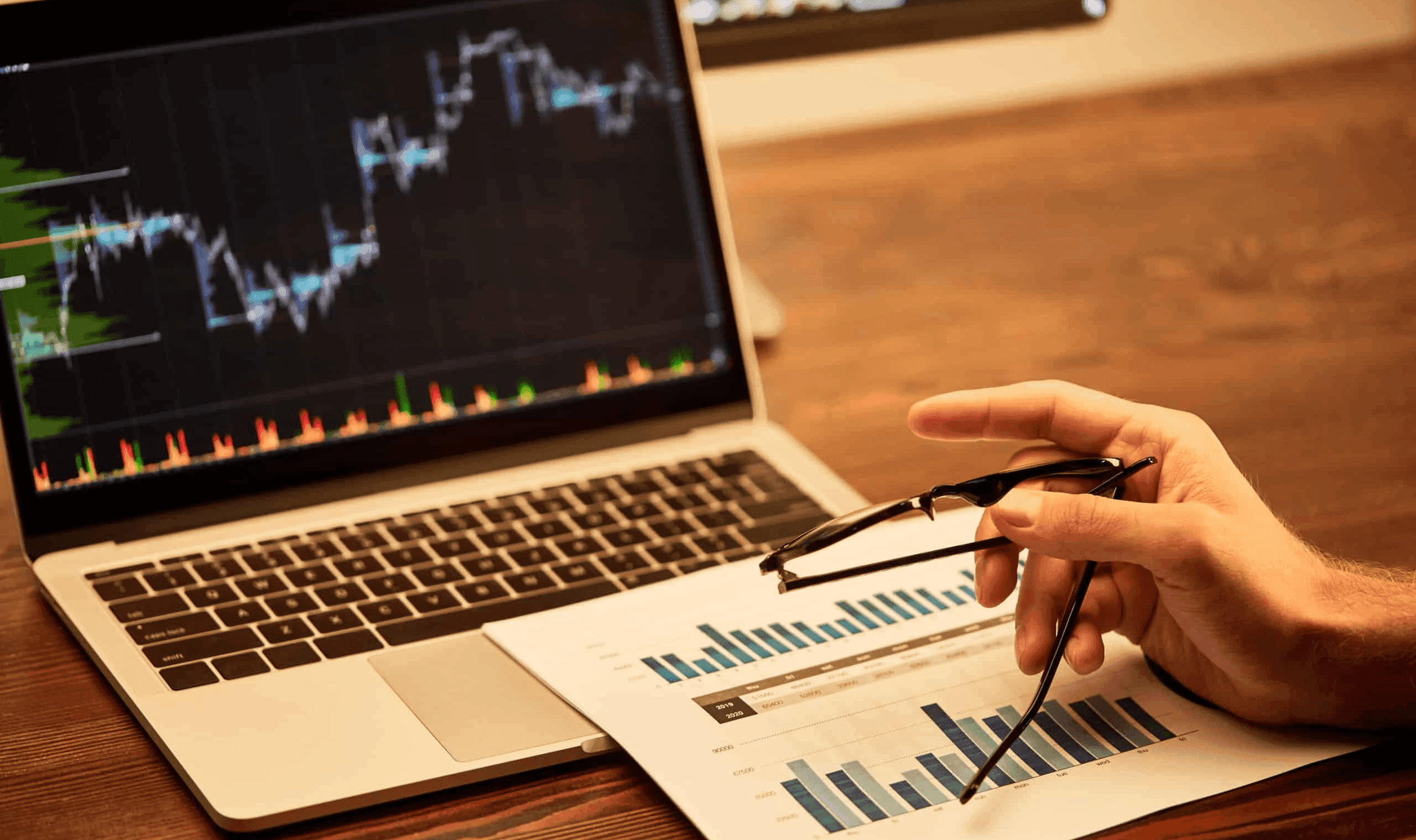
A paper trading platform is a simulation environment in which you execute trades using virtual capital rather than real money.
- You get access to live or delayed market data.
- Place orders for stocks, options, futures, or other securities.
- Watch your hypothetical portfolio rise or fall based on actual price movements.
The platform tracks every transaction as if it were genuine, calculating gains, losses, and portfolio performance without any financial risk. It's the closest thing to real trading without risking your savings. The term paper trading comes from an era when aspiring traders scribbled buy and sell decisions on notepads, manually tracking imaginary positions against newspaper stock listings. You interact with charts, news feeds, order entry systems, and performance dashboards exactly as you would with a live brokerage account. The only difference is the money isn't real, which means mistakes cost you nothing but pride.
How the Simulation Operates
Behind the interface, the platform's software pulls real-time or slightly delayed price data from exchanges and market data providers. When you submit a buy order for 100 shares of a stock at market price, the system instantly checks the current ask price, calculates the total cost including any simulated commissions, and deducts that amount from your virtual cash balance. Your position appears in your portfolio, and its value fluctuates tick by tick as the underlying asset's price changes throughout the trading day.
Simulating Real Trading Costs
Some platforms add realistic friction to prevent inflated confidence. They simulate bid-ask spreads, the gap between buying and selling prices that exists in real markets. They may factor in slippage, where your order executes at a slightly worse price than expected during volatile moments, mimicking what happens when liquidity dries up. A few even impose fictional transaction fees or margin requirements to mirror the actual costs of trading. These details matter because they prevent you from developing strategies that only work in a frictionless fantasy world.
Setting Up Your Virtual Account
Most brokers and standalone platforms let you open a demo account in minutes. You typically receive a default virtual balance, often $100,000, though some let you adjust that figure to match your real capital goals. The setup process mirrors opening a live account minus the identity verification and funding steps. You customize your workspace by selecting chart types, adding technical indicators like moving averages or RSI, and building watchlists of securities you want to monitor.
Research, Execute, Review
Once configured, you start researching potential trades using the platform's tools. You might scan for stocks breaking above resistance levels, screen for options with favorable risk-reward ratios, or backtest a strategy against historical data to see how it would have performed last year.
When you identify an opportunity, you:
- Choose an order type (market, limit, stop-loss, or more complex variations)
- Specify quantity
- Execute
The platform logs everything, creating a transaction history you can review to understand what worked and what didn't.
What Gets Tracked and Measured
Performance metrics update continuously. Your account balance reflects unrealized gains or losses on open positions plus realized profits or losses from closed trades. Most platforms generate statements showing win rates, average gain per winning trade, average loss per losing trade, and overall return percentage. These numbers reveal patterns you might miss in the moment, like a tendency to cut winners too early or let losers run too long. Advanced simulators include journaling features where you document your reasoning for each trade. Writing down why you entered, your target exit price, and your stop-loss level forces discipline. Later, when you review closed positions, you can compare your original thesis against what actually happened. 90% of day traders lose money in their first year, often because they skip this reflection step and repeat the same mistakes. Paper trading gives you a structured way to learn from errors before they cost real money.
Transitioning from Simulation to Funded Capital
The gap between paper profits and real success isn't just psychological. Many traders crush it in simulation, racking up 30% monthly returns, then crumble when actual dollars are at stake. The emotional weight of risking your rent money changes everything. You hesitate on entries, panic out of positions too early, or freeze entirely when a trade moves against you. Paper trading can't replicate that fear, but it can build the technical foundation and strategic confidence that make those emotions manageable.
From Practice to Funded Trading
That's why the best approach treats simulation as a proving ground, not a game.
- Trade your virtual account as if it were real.
- Risk only 1-2% of your balance per trade, just as you would with actual capital.
- Set stop-losses and honor them.
- Track performance over hundreds of trades, not dozens, to see if your edge holds up across different market conditions.
Once you demonstrate consistent profitability and disciplined risk management, platforms like prop firm let you trade funded accounts where your skills translate directly into real earnings without requiring you to risk personal savings. They provide the capital, you provide the proven strategy, and profits get split according to a transparent agreement.
Is Paper Trading Good for Beginners?

Yes, paper trading serves beginners well as a starting point, but only if you approach it with the same seriousness you'd bring to managing actual capital. It removes the financial sting of early mistakes while teaching you how order types work, how markets move, and how your own decision-making patterns reveal themselves under simulated pressure. The value isn't in racking up fake profits. It's in building muscle memory for the mechanical steps of trading and exposing your blind spots before they cost you money you can't afford to lose.
The Psychology Gap
The problem is that most beginners treat simulation like a video game. Without real consequences, you might take reckless positions you'd never touch with your own savings, inflating your confidence while embedding habits that crumble the moment genuine risk enters the equation. 90% of traders lose money in their first year, often because they skip the disciplined practice phase or fail to recognize that paper profits don't translate automatically to real ones. The gap between simulation and live trading isn't just technical. It's psychological, and no demo account can fully prepare you for the gut punch of watching your rent money evaporate in a bad trade.
Why Beginners Need Low-Stakes Repetition
Learning to trade resembles learning to drive. You need hours behind the wheel in controlled conditions before merging onto a highway at full speed. Paper trading gives you that controlled space to practice reading price charts, identifying support and resistance levels, and executing trades without the paralysis that comes from risking real capital.
- You can test whether a breakout strategy works in trending markets or falls apart during choppy consolidation.
- You can experiment with stop-loss placement, discovering through trial whether tight stops protect you or get you shaken out prematurely by normal volatility.
This repetition builds confidence, but only if you treat it seriously. Journal every trade. Write down your entry reason, your target exit, and your stop-loss before you click the button. When the trade closes, review what happened against what you expected.
- Did the stock move as anticipated?
- Did you exit too early out of fear, or hold too long, hoping for a reversal?
These patterns surface quickly in simulation, giving you a chance to correct them before they drain a real account.
Where Simulation Falls Short
The emotional weight of risking actual money changes everything. In paper trading, a $500 loss feels like a number on a screen. In live trading, that same loss might represent groceries, a car payment, or a weekend trip you now can't take. Your heart rate spikes. Your palms sweat. You second-guess entries you'd take confidently in demo mode, or you panic out of positions that would have worked if you'd just followed your plan. Many traders crush it in simulation, posting 20% monthly returns, then freeze or overtrade when real dollars are at stake because the emotional stakes rewire their decision-making entirely.
The Cost of Unrealistic Fills
Simulations also skip real-world friction. Most platforms assume perfect fills at the price you see, ignoring bid-ask spreads or slippage that eat into profits during volatile moments. They often exclude transaction fees, giving you an inflated sense of how profitable a high-frequency strategy might be. If your paper trading results depend on getting filled instantly at ideal prices, you're building a strategy that won't survive contact with actual market conditions where liquidity dries up and execution lags.
Turning Practice Into Funded Opportunity
The best use of paper trading isn't to stay there indefinitely. It's to prove you can execute a strategy consistently over hundreds of trades, managing risk and emotions well enough to justify moving to the next level. Once you demonstrate profitability and discipline in simulation, platforms like prop firm let you trade funded accounts where your skills translate into real earnings without requiring you to risk personal savings. They provide capital, you provide the proven strategy, and profits split according to a transparent agreement. This path lets you scale beyond your personal capital limitations, turning skill into income without the emotional devastation of losing money you can't afford to risk.
Discipline Before Real Money
But that transition only works if you've used simulation correctly. Treat your virtual account like it's real. Risk only 1-2% per trade. Set stops and honor them even when a position moves against you. Track performance across different market conditions, not just cherry-picked winning streaks. If you can't stay disciplined with fake money, you won't magically develop discipline when real stakes appear. That discipline matters more than most beginners realize, because consistency separates traders who scale from those who repeatedly blow up their accounts.
Related Reading
- Best Paper Trading App
- What Is Paper Trading
- Simulated Stock Trading
- Practice Crypto Trading With Fake Money
- Simulated Futures Trading
- Does Robinhood Have Paper Trading
- Where To Practice Day Trading
- Futures Paper Trading
- Simulated Day Trading
Will the Consistent Use of a Paper Trading Platform Make Me a Better Trader?

Many aspiring traders believe paper trading platforms are just a gimmick that builds fake confidence without preparing you for the real market's emotional pressure. Yet consistent practice with one can quietly transform how you approach trading, giving you the foundation to make smarter decisions over time. A peer-reviewed study in the American Journal of Business Education found that 66 percent of participants reported significant gains in their investment knowledge after using simulations, while 86 percent said it boosted their interest in markets. The solution lies in treating the platform as a serious training ground. Stick with it daily, review every trade, and use it to build habits that carry over when real money enters the picture. This approach turns practice into real progress and keeps your enthusiasm high as you see steady improvement.
It Removes Money Risk So You Can Focus on Skill-Building
Paper trading lets you experiment with entries, exits, and position sizes without losing a cent, which means you stay in the game long enough to spot patterns in your own decision-making. Over weeks of steady use, you start to notice what works and what doesn't across different market conditions, shortening the usual trial-and-error phase new traders face. This risk-free setup builds a solid trading edge by letting you track results like a pro would in a journal, turning raw practice into clear data on your strengths and gaps. Consistent daily sessions build muscle memory for sound analysis, making it feel natural once live trading begins.
It Lets You Test Strategies in Real-Time Market Conditions
A good platform mirrors live price action, volume, and news flow, so you can run the same strategy across bull runs, sideways markets, and sharp drops to see how it holds up. You learn quickly which setups have an edge and which need tweaking, all without the pressure that clouds judgment in a funded account. By repeating trades day after day, you gather enough sample size to trust, or adjust, your rules, something that would cost real losses if tried live right away. This methodical testing turns guesswork into a repeatable process that raises your overall win probability before you ever risk capital.
It Strengthens Discipline and Routine-Building Habits
Sticking to a platform schedule forces you to show up, prepare pre-market, follow your plan, and log every outcome, creating the exact routines successful traders rely on. You practice cutting losses early and letting winners run, habits that become automatic with repetition rather than theory. Over time, this builds emotional steadiness and accountability because you treat every virtual trade with the same seriousness as real money. The result is a disciplined mindset that carries forward, helping you avoid the common pitfalls that derail beginners who skip this step.
Turning Skill Into Income
Many traders log months of disciplined platform work, then wonder how to turn those proven skills into actual earnings without risking personal savings. Platforms like prop firm bridge that gap by providing funded accounts where your demonstrated edge translates into real profit splits, letting you scale beyond your own capital while maintaining the risk discipline you built in simulation. You prove consistency in paper trading, pass an evaluation, and start earning from the capital they provide, turning skill into income without the emotional weight of losing money you can't afford to risk. The hard part isn't building the skill. It's finding the right environment to practice in, one that mirrors real trading closely enough to matter but freely enough to let you fail without consequence.
Related Reading
- Day Trading Paper Trading
- Crypto Paper Trading
- Paper Trading For Beginners
- TradingView Paper Trading Demo Account How To Use
- How To Practice Paper Trading
- How To Do Paper Trading
- Best Demo Trading App
6 Best Free Paper Trading Platforms You Should Know
Paper trading platforms give traders a safe way to test strategies, explore market movements, and master trading tools using virtual money that mirrors real-time conditions. No actual capital is at risk, making these simulators perfect for beginners building confidence or seasoned investors refining complex approaches. In 2026, several standout options stand out for their accessibility, realistic simulations, and zero-cost entry, helping users transition smoothly to live trading.
1. Webull

Webull offers one of the most approachable free paper-trading experiences available today, delivering a fully functional simulator that lets users practice trading stocks, ETFs, and options with no financial commitment. Its clean design and real-market data make it easy to simulate trades as if they were live, helping newcomers and active traders alike experiment without pressure.
Key Features
- Unlimited virtual cash that resets on demand for endless practice sessions
- Real-time market quotes and data feeds for authentic simulation
- Full support for stocks, ETFs, and options trading
- Commission-free simulated trades across all supported assets
- Advanced charting and technical analysis tools built right in
- Seamless access across web, mobile app, and desktop platforms
- Instant setup with no deposit or account funding required
Pros
- Extremely beginner-friendly interface that feels modern and intuitive
- No hidden fees or commissions in the paper mode
- Realistic market conditions that closely track live prices
- Quick balance resets to test new ideas immediately
- Helpful built-in educational resources and market insights
Cons
- Simulated order fills can sometimes feel overly optimistic compared to live markets
- Fewer advanced order types than professional-level platforms
- Relies fully on a stable internet connection for real-time functionality
Accessibility
Webull’s paper trading is available to anyone after a quick, free account signup on its website or mobile app. No minimum deposit or funding is needed to activate the simulator, and it works smoothly on iOS, Android, web browsers, and desktop software.
2. TradingView

TradingView integrates its paper trading tool directly into its powerful charting environment, making it a favorite for users who want to practice straight from detailed technical analysis without switching apps. Even on the free plan, this risk-free simulator delivers realistic trading across multiple asset classes using live market data.
Key Features
- Direct trading simulation from interactive charts
- Available at no extra cost on the basic free account tier
- Broad asset coverage including stocks, forex, crypto, and more
- Custom Pine Script indicators for personalized strategy testing
- Real-time position tracking and performance analytics
- Community-driven ideas and shared trading setups
- Multi-timeframe analysis during simulated sessions
Pros
- Exceptional charting capabilities unmatched by most simulators
- No need for a separate broker account to start practicing
- Highly customizable interface for all skill levels
- Seamless transition between analysis and simulated execution
- Strong community support with shared strategies
Cons
- Simulated fills may not always replicate exact live-market slippage
- Limited to forward testing rather than deep historical backtesting in paper mode
- Advanced features may push users toward paid plans for full power
Accessibility
Simply create a free TradingView account online or via the mobile app to unlock paper trading instantly. No deposits, funding, or broker linkage is required for the core simulator, and it runs on web, desktop, and mobile devices worldwide.
3. Charles Schwab (thinkorswim paperMoney)

Charles Schwab’s thinkorswim platform includes the paperMoney simulator, a robust virtual trading tool that provides $100,000 in starting virtual buying power and real-time data for practicing equities, options, futures, and forex. It is designed for users who want professional-grade tools in a risk-free setting.
Key Features
- $100,000 virtual buying power with margin and IRA simulation options
- Real-time market data and advanced charting
- Comprehensive options and futures trading capabilities
- Built-in scanning tools and technical studies
- Trade simulation across multiple asset classes
- Customizable workspaces and layouts
- Direct integration with Schwab’s educational resources.
Pros
- Professional-level platform depth ideal for complex strategies
- Highly accurate real-time data simulation
- Excellent for options trading practice
- Free access after a simple Schwab account opening
- Regular platform updates and enhancements
Cons
- Requires opening a Schwab account (though free and no deposit needed for paper)
- Steeper learning curve for complete beginners
- A desktop-focused interface may feel overwhelming on mobile
Accessibility
Open a free Charles Schwab account online (no minimum deposit required for paperMoney), then download the thinkorswim desktop, web, or mobile app. The simulator activates immediately and is available 24/7 once set up.
4. Moomoo

Moomoo delivers a dynamic free paper-trading simulator with $1 million in virtual funds, allowing users to practice stocks, options, and futures with real-time quotes and advanced analytics. Its modern app-first design appeals to active traders seeking an engaging, data-rich practice environment.
Key Features
- $1 million starting virtual capital
- Real-time quotes and Level 2 market data
- Support for stocks, options, and futures simulation
- Over 100 technical indicators and charting tools
- Intuitive order entry with multiple types
- Paper trading calculator for strategy evaluation
- Cross-device synchronization between web, desktop, and mobile
Pros
- Generous virtual balance for extended practice
- Strong focus on active trading tools and data
- User-friendly mobile experience
- No transaction fees in the simulator
- Helpful educational content is integrated throughout
Cons
- Interface can feel information-dense for absolute beginners
- Some advanced futures features may require familiarity
- Primarily geared toward U.S. and select international markets
Accessibility
Sign up for a free Moomoo account on the web or app, no deposit needed to start paper trading. The simulator works on web browsers, desktop software, and mobile apps for iOS and Android.
5. Interactive Brokers (IBKR)

Interactive Brokers provides a sophisticated paper trading account with a large virtual balance (typically $1 million or more), giving users access to global markets and professional tools for realistic strategy testing. It suits traders seeking advanced simulation across stocks, options, futures, and international assets.
Key Features
- Large virtual balance for high-volume practice
- Access to over 150 global markets
- Advanced order types and algorithmic trading simulation
- Comprehensive risk analysis and portfolio tools
- Real-time data and professional-grade platforms
- Paper trading across multiple account types
- Detailed trade journaling and performance reports
Pros
- Exceptional depth for serious strategy development
- True global market exposure in simulation
- High-fidelity execution modeling
- Scalable for both beginners and professionals
- Strong educational campus resources
Cons
- Requires account approval (free but involves basic verification)
- More complex interface with a learning curve
- Best suited for users comfortable with professional platforms
Accessibility
Create a free Interactive Brokers account online (no funding required for paper mode), then access the simulator through Trader Workstation (TWS), Client Portal, or mobile apps. It becomes available shortly after approval.
6. eToro
eToro stands out with its social trading-focused virtual portfolio, which lets users practice investing in stocks, ETFs, cryptocurrencies, and more using $100,000 in virtual funds. The platform emphasizes community-driven learning and copy-trading simulation, making it especially suitable for beginners who want to observe and replicate real strategies in a risk-free environment.
Key Features
- $100,000 starting virtual funds for realistic practice
- Social feed with real trader ideas and copy trading simulation
- Support for stocks, ETFs, cryptocurrencies, and selected other assets
- Intuitive web and mobile platforms with clean order execution
- Real-time market data and basic charting tools
- Seamless switching between virtual and live modes
- Community rankings and performance tracking in demo mode
Pros
- Excellent for learning through social and copy trading elements
- User-friendly interface ideal for complete newcomers
- No deposit required to activate and use the virtual portfolio
- Strong mobile experience that mirrors the live platform
- Encourages observation of successful strategies without risk
Cons
- Smaller starting virtual balance compared to some competitors
- Limited advanced charting and technical analysis depth
- Fewer order types and asset classes than professional simulators
- Demo focuses more on long-term investing than high-frequency day trading
Accessibility
Sign up for a free eToro account using email, Google, or Facebook, no deposit or funding is needed. The virtual portfolio activates immediately upon registration and works across web browsers and mobile apps on iOS and Android.
Detailed Comparison
- Webull
- Starting virtual capital: Unlimited (resettable)
- Asset classes: Stocks, ETFs, options
- Best for: Beginners and mobile traders
- Account requirement: Free signup, no deposit
- Mobile access: Excellent
- Advanced tools: Good
- Realism: High
- TradingView
- Starting virtual capital: Customizable
- Asset classes: Stocks, forex, crypto, indices
- Best for: Charting and technical analysis
- Account requirement: Free account, no deposit
- Mobile access: Good
- Advanced tools: Excellent
- Realism: Good
- Charles Schwab (thinkorswim paperMoney)
- Starting virtual capital: $100,000+
- Asset classes: Stocks, options, futures, forex
- Best for: Advanced options and complex trading
- Account requirement: Free Schwab account, no deposit
- Mobile access: Good
- Advanced tools: Excellent
- Realism: Very high
- Moomoo
- Starting virtual capital: $1,000,000
- Asset classes: Stocks, options, futures
- Best for: Active traders and education
- Account requirement: Free signup, no deposit
- Mobile access: Excellent
- Advanced tools: Very good
- Realism: High
- Interactive Brokers (IBKR)
- Starting virtual capital: $1,000,000+
- Asset classes: Global stocks, options, futures, more
- Best for: Professional and international traders
- Account requirement: Free account with basic approval
- Mobile access: Good
- Advanced tools: Excellent
- Realism: Very high
- eToro
- Starting virtual capital: $100,000
- Asset classes: Stocks, ETFs, cryptocurrencies
- Best for: Social and copy trading beginners
- Account requirement: Free signup, no deposit
- Mobile access: Excellent
- Advanced tools: Basic
- Realism: Medium
But knowing which platforms exist doesn't tell you how to choose between them when they all promise realistic practice and zero cost.
How We Choose the Best Free Paper Trading Platforms

Selecting the top free paper trading platforms requires a structured evaluation that prioritizes genuine accessibility, simulation quality, and practical value for traders. In preparing our 2026 list of six standout options:
- Webull
- TradingView
- Charles Schwab’s thinkorswim paperMoney
- Moomoo
- Interactive Brokers
- eToro
The goal was to highlight only those that deliver completely free, risk-free practice environments capable of building real trading confidence. Each platform earned its place by excelling across our core criteria while aligning with the detailed strengths outlined in our earlier guide.
Zero-Cost Accessibility and Effortless Account Setup
We insisted on platforms that impose no deposits, no subscription fees, and no hidden charges for activating paper trading, ensuring immediate entry for every user. This standard eliminated any simulator that required funding or premium upgrades just to practice, directly matching the free signup experiences across all six selections.
- Webull stands out with its instant, no-deposit activation and unlimited virtual cash resets.
- eToro provides a ready-to-use virtual portfolio upon simple registration.
Such barrier-free access matters because it lowers the intimidation factor for newcomers and lets experienced traders experiment freely across devices. In our selection process, this criterion confirmed that options like TradingView’s free-plan simulator and Charles Schwab’s no-minimum thinkorswim paperMoney truly democratize skill-building, exactly as highlighted in their accessibility details.
High-Fidelity Simulation with Real-Time Market Data
Authentic market replication was non-negotiable, so we evaluated how closely each platform mirrored live conditions by assessing real-time quote accuracy, order fills, and price movement accuracy. The chosen six all deliver high-quality data feeds that feel indistinguishable from actual trading, supporting credible strategy testing. Interactive Brokers and Moomoo particularly shine with their professional-grade execution modeling and global market coverage, while Webull maintains commission-free realism in every simulated trade.
This focus on fidelity ensures practice sessions translate directly to live results without misleading optimism. Our testing verified that platforms such as thinkorswim, paperMoney and TradingView’s chart-based simulator provide the precise realism described in our platform breakdowns, making them reliable tools for refining tactics before risking real capital.
Extensive Asset Variety and Feature-Rich Tools
We required broad support for multiple asset classes paired with powerful built-in tools like advanced charting, indicators, and order types. This criterion favored simulators that go beyond basic stocks to include options, futures, ETFs, forex, and crypto, where applicable. The six selected platforms deliver exactly this depth:
- Interactive Brokers offers global market access
- Moomoo provides over 100 technical indicators
- eToro enables social copy-trading simulation
Diverse functionality allows traders to practice exactly the strategies they plan to use live. By confirming these capabilities during our review, we ensured each listing in our guide, from Webull’s options support to thinkorswim’s futures capabilities, meets the comprehensive needs of both beginners and advanced users without compromise.
Intuitive User Interface and Multi-Device Compatibility
Ease of navigation and seamless performance across web, desktop, and mobile apps formed another key filter, because complicated interfaces can discourage consistent practice. All six platforms earned high marks here for clean, modern designs that feel welcoming yet powerful.
- TradingView integrates paper trading directly into its acclaimed charts
- Moomoo and Webull offer smooth mobile-first experiences that sync effortlessly.
Cross-device accessibility ensures traders can practice anywhere without friction. This standard directly supported our selections by matching the user-friendly details we previously noted, such as eToro’s intuitive social feed and thinkorswim’s customizable workspaces, making daily skill development practical and enjoyable.
Generous Virtual Capital and Robust Performance Tracking
We looked for substantial starting virtual balances combined with clear analytics for reviewing trade history and portfolio performance. Generous funding prevents artificial constraints during extended practice. Moomoo leads with up to $1 million (or more for futures), Interactive Brokers provides $1 million-plus, and even the more modest $100,000 balances on thinkorswim and eToro prove ample when paired with strong tracking tools. Effective performance insights turn practice into measurable growth. Our evaluation confirmed that each platform’s virtual funding and analytics align precisely with the overviews in our earlier article, empowering users to test, refine, and track strategies confidently before moving to live markets.
Supplementary Educational Resources and Community Integration
We valued platforms that enhance learning through built-in education, community features, or strategy-sharing tools, rather than leaving users to figure everything out on their own. This rounded out our selections by favoring well-rounded experiences. eToro excels with its social feed and copy-trading simulation, TradingView offers community ideas, and thinkorswim integrates Schwab’s educational library. These extras accelerate the transition from practice to proficiency. By applying this lens, we verified that our six platforms not only simulate trading but also actively support growth, matching the educational strengths we detailed previously and creating a complete preparation pathway.
Tips to Get the Most Out of a Paper Trading Platform

You extract maximum value from paper trading by treating it exactly like funded trading, applying the same risk controls, journaling discipline, and emotional restraint you'd use with actual capital. This approach transforms simulation from a consequence-free game into a genuine proving ground where habits form and strategies get validated under conditions that mirror live markets.
Set Position Sizes That Mirror Real Risk Tolerance
Calculate your position sizes as if the virtual balance were your actual savings, risking only one to two percent per trade regardless of how tempting larger bets feel. This constraint forces you to think through every entry carefully, exactly as you would when real money is at stake on platforms like Moomoo or thinkorswim. By artificially capping risk, you build muscle memory for capital preservation before moving to funded accounts, where oversized positions can wipe out months of gains in a single bad day. 90% of traders who paper-trade for at least 3 months before going live report better risk management because they've internalized position-sizing rules through repetition rather than theory.
Document Every Trade Decision Before Execution
Write down your full entry thesis, including technical signals, market context, profit target, and stop-loss level, before clicking the buy or sell button. This simple step eliminates impulsive trades and creates a reference point for later review when you analyze what worked and what didn't. Regular journal reviews across TradingView or Webull sessions reveal patterns in your decision-making, such as a tendency to ignore your own rules during volatile hours or to exit winners prematurely out of fear. Over time, these insights sharpen your edge and prevent the same errors from appearing when real capital is involved.
Follow Your Trading Plan Without Exception
Define clear entry rules, exit criteria, and invalidation points before the market opens, then execute them exactly as written regardless of how the session unfolds. This structure works especially well across Interactive Brokers' global markets or eToro's social feed, where distractions and conflicting opinions can easily derail discipline. Committing to a plan eliminates second-guessing and builds consistency, the very foundation of long-term success. You will quickly identify which strategies perform reliably under varying market conditions and which need adjustment before they cost you real money.
Review Weekly Performance Metrics and Adjust Tactics
After each week of practice, analyze key statistics, including overall profitability, average hold time, and drawdown patterns, using the built-in reporting tools on your chosen platform. Consistent review turns raw data into actionable improvements, ensuring steady progress rather than aimless repetition. You will spot strengths to double down on and weaknesses to correct long before they affect live results. This habit ensures that every session builds on the last, creating a clear upward trajectory in both skill and confidence.
Scaling With Funded Accounts
Most traders demonstrate consistent profitability across hundreds of simulated trades, then wonder how to turn those proven skills into actual earnings without risking personal savings. Platforms like [prop firm](https://www.goatfundedtrader.com/) bridge that gap by providing access to up to $2 million in simulated capital with no risk to your personal funds, where your demonstrated edge translates into real profit splits of up to 100 percent on successful accounts.
Traders execute on the MT5 platform across FX pairs, stocks, ETFs, and crypto pairs using leverage up to 1:100 from Goat Funded Trader, raw spreads from 0.1 pips, and lightning-fast execution. The structured challenges feature clear parameters with a maximum daily loss of 3 percent, overall maximum loss of 6 percent, no time limits, and allowed news trading, followed by payouts available on demand with bi-weekly options, multiple withdrawal methods including bank transfer and crypto, and a firm guarantee of payment within two business days.
Get 25-30% off Today - Sign up to Get Access to Up to $800K Today
You've built the skills. You've logged the hours across Webull, TradingView, thinkorswim, or any of the other platforms that let you practice without consequence. The question now isn't whether you can trade, it's whether you're ready to turn that competence into actual earnings without betting your savings on the outcome.
When Skill Outgrows Capital
Most traders hit this exact wall. They prove consistency in simulation, rack up months of disciplined wins, then face the brutal reality that scaling requires capital they don't have or can't risk. The old path forced you to choose between staying small or gambling with money you couldn't afford to lose. That gap between proven skill and real opportunity has killed more trading careers than bad strategies ever did.
A Funded Path Forward
Goat Funded Trader removes that barrier entirely by providing simulated accounts up to $2 million, where your demonstrated edge translates into actual profit splits reaching 100 percent. You apply the same risk controls, the same entry rules, the same position sizing you refined during paper trading, except now the earnings land in your account instead of vanishing into a virtual ledger. The capital is theirs, the strategy is yours, and the profits are split according to transparent terms you agree to upfront.
Flexible Challenge Rules
You choose your entry point based on where you are. Customizable challenges let you demonstrate consistency with no minimum profit targets or time limits, giving you space to execute your strategy without artificial pressure. Maximum daily loss stays at 3 percent, overall maximum loss at 6 percent, parameters that force the same discipline you should have practiced all along. News trading is allowed, positions can hold over weekends, and you're never liable for losses beyond the account limits.
Fast Payouts, Clear Terms
Instant funding options skip the evaluation entirely if you prefer to start immediately. Either path leads to the same destination:
- Triple paydays
- Profit splits up to 100 percent
- Withdrawal flexibility through bank transfer, crypto, or other methods
Payouts are processed on demand with bi-weekly options, and the firm guarantees payment within two business days or adds a $500 penalty for delays. That commitment matters because it removes the doubt that stops traders from taking the leap.
A Pro-Level Trading Setup
The execution environment mirrors what you'd expect from professional setups. MT5 platform access gives you the interface serious traders rely on, with raw spreads starting at 0.1 pips and leverage up to 1:100 across FX pairs, stocks, ETFs, and crypto pairs. Fast execution prevents the slippage that turns winning strategies into break-even results, and the asset variety lets you trade the markets you already know from simulation.
Proof It Can Work
Over 98,000 traders have already collected more than $9.1 million in real rewards through this model. They didn't start with trust funds or inheritance. They started exactly where you are now, with proven skills from free platforms and the ambition to scale beyond personal capital limitations. The difference is that they took the step that turns practice into profit.
Take the Next Step
Sign up today at Goat Funded Trader to access up to $2 million in simulated capital and lock in 25 to 30 percent off your challenge or instant funding when you start now. The skills you built on free simulators finally translate into earnings that matter, without risking a dollar of your own money.
Related Reading
- How To Practice Trading Stocks
- Best Paper Trading Simulator
- How To Use Webull Paper Trading
- Best Futures Paper Trading Platform
- Best Simulated Trading Platform
- Best Trading Platform For Beginners
- Best Day Trading Simulator
Be Great and get the App