






How to Practice Day Trading Using Paper Trading Simulators
Day trading paper trading made simple: learn how to practice with simulators, test setups, and build skills before risking real money.


You've downloaded the best paper trading app, set up your virtual account, and started making simulated trades. But here's the truth: clicking buttons with fake money feels nothing like the weight of risking your actual savings. Most traders get stuck in this practice mode forever, endlessly tweaking strategies on paper while never building the mental toughness needed for live markets. This article shows you how to use day trading and paper trading effectively, transforming it from an endless rehearsal into a genuine training ground that prepares you to trade with confidence when real money is on the line.
That transition from simulation to reality doesn't have to mean risking your own capital immediately. Goat Funded Trader offers a prop firm model in which you prove your trading skills using their capital rather than your own, creating a bridge between paper trading and managing substantial accounts. You develop discipline with real market pressure and actual performance standards, but without the fear of depleting your personal funds.
Summary
- Paper trading simulators show 30 to 40 percent higher returns than live accounts, and the gap isn't about strategy quality. It's about the anxiety that floods your decision-making when real money moves against you by two percent in thirty seconds. You hesitate on entries you planned perfectly in simulation, exit winners early because the profit feels too good to risk, and revenge trade after losses because your ego demands immediate recovery.
- Execution friction erases most paper trading edges before you collect a single real profit. 70 percent of paper trading profits disappear in live trading, often because traders never accounted for slippage, partial fills, and liquidity gaps that simulators ignore. A scalping strategy that nets $200 per day in simulation might lose $50 daily in reality once you factor in widening spreads during volatile periods.
- The survival rate for day traders reveals why practice matters more than confidence. 90 percent of day traders lose money, and these 90 percent lose money in their first year specifically because they practiced in conditions that bore no resemblance to their actual trading constraints.
- Free access to simulators eliminates the barrier that keeps most beginners stuck in analysis paralysis. $0 is required to start with most simulators, letting you test five different momentum strategies across three platforms in a single week without depositing funds or triggering Pattern Day Trader rules that would otherwise limit your practice frequency.
- Successful traders treat paper trading as a qualification rather than an endless rehearsal, setting specific benchmarks such as achieving positive returns over 60 consecutive trading days, keeping maximum drawdown below 10%, or maintaining a win rate above 55% with a risk-reward ratio of at least 1:1.5.
Goat Funded Trader bridges the gap between simulation and profitability by evaluating traders through paper-trading challenges, then granting access to accounts up to $2M to those who demonstrate consistent performance and disciplined risk management under realistic conditions.
Table of Contents
- What are Paper Trading Simulators and What are They Used For?
- How is Day Trading With a Paper Trading Simulator Different From a Live Account?
- Is It Necessary to Practice Day Trading Using a Paper Trading Simulator?
- How to Get Started With Practicing Day Trading Using Paper Trading Simulators
- Tips for Using Paper Trading Simulators to Practice Day Trading Effectively
- Get 25-30% off Today - Sign up to Get Access to Up to $800K Today
What are Paper Trading Simulators and What are They Used For?

Paper trading simulators replicate live market conditions using virtual capital instead of real money. You place trades in actual stocks, forex pairs, futures, or cryptocurrencies, with prices updating in real time or near-real time, mirroring the mechanics of genuine exchanges. The experience feels authentic because you're executing market orders, limit orders, and stop losses just as you would in a funded account, but losses vanish into thin air instead of draining your savings.
Bridging Theory and Practice Through Simulation
These platforms serve a specific purpose beyond casual practice.
- They transform theoretical knowledge into applied skill without the psychological weight of financial ruin.
- You test strategies against live volatility, refine entry and exit timing, and learn how news events shift price action before committing capital you can't afford to lose.
- It provides traders with $100,000 in virtual cash to simulate realistic portfolio management scenarios, giving beginners the scale they need to understand position sizing and risk allocation.
Building Competence Before Capital Deployment
The most common pattern among failing traders is simple: they skip the simulator entirely. Fear of missing out pushes them into live markets after watching a few tutorial videos, and 90% of traders fail, often because they never developed the muscle memory required to execute under pressure. I've watched beginners blow through accounts in weeks, convinced that reading about support and resistance lines equals understanding how to trade them when volatility spikes during earnings season.
Accelerating Mastery Through Consequence-Free Failure
Simulators force you to confront your weaknesses without permanent consequences. You discover that your scalping strategy works during high-volume sessions but collapses when spreads widen in after-hours trading. You learn that holding through drawdowns requires emotional control you haven't built yet. Every mistake teaches without punishment, creating a feedback loop in which failure accelerates learning rather than ending it.
Transitioning From Practice to Performance
The real value emerges when simulators become evaluation tools rather than endless rehearsal spaces. Successful traders treat paper trading as a proving ground with clear benchmarks:
- Consistent profitability over 60 to 90 days
- Adherence to risk-management rules, such as capping losses at 1% per trade
- Emotional discipline during losing streaks
Once you demonstrate these capabilities in simulation, you've earned the right to access real capital without gambling your own savings.
Converting Simulated Performance Into Funded Opportunities
Prop firms like Goat Funded Trader recognize this progression. Instead of forcing traders to risk personal funds while learning, they provide simulated capital for evaluation, then grant access to accounts up to $2M for those who prove consistent performance. You trade with their capital, keep up to 100% of profits, and withdraw earnings on demand. This model turns paper trading from practice into a qualification, where your simulator results directly unlock funded opportunities and real payouts. But proving your skills in simulation doesn't guarantee you'll replicate that success when real money enters the equation.
Related Reading
- Best Paper Trading App
- What Is Paper Trading
- Simulated Stock Trading
- Practice Crypto Trading With Fake Money
- Simulated Futures Trading
- Does Robinhood Have Paper Trading
- Where To Practice Day Trading
- Futures Paper Trading
- Simulated Day Trading
How is Day Trading With a Paper Trading Simulator Different From a Live Account?

The execution mechanics look identical, but the internal experience splits wide open. Both environments display the same price charts, order entry windows, and technical indicators. Yet paper trading removes every consequence that shapes real decision-making, while live trading introduces friction that simulators can't replicate. The gap between virtual success and funded performance reveals itself the moment actual capital enters the equation.
Financial Risk and Emotional Weight
Paper trading lets you swing for the fences without checking your account balance afterward. You can test aggressive position sizes, hold through violent drawdowns, and experiment with high-frequency scalping because losses evaporate. That freedom builds technical confidence, but it skips the most critical skill: managing fear when your rent money sits inside a volatile position.
Confronting the Psychological Gap in Live Execution
Live accounts activate a different nervous system entirely. Paper trading accounts show 30 to 40 percent higher returns than live accounts, and the gap isn't about strategy quality.
It's about the anxiety that floods your prefrontal cortex when a trade moves against you by two percent in thirty seconds.
- You hesitate on entries you planned perfectly in simulation.
- You exit winners early because the profit feels too good to risk.
- You take revenge trade after losses because your ego demands immediate recovery.
These reactions don't exist in paper trading, which is precisely why they ambush unprepared traders the moment real money enters the picture.
Execution Quality and Market Realities
Simulators deliver perfect fills at quoted prices with zero delays. You click buy, the order executes instantly at your target price, and your backtest looks flawless. This creates an illusion that every limit order will hit exactly as planned, especially during fast-moving momentum trades where milliseconds determine profitability.
Factoring in the Reality of Execution Friction
Real markets introduce slippage, partial fills, and liquidity gaps that erode edges built in simulation. 70 percent of paper trading profits disappear in live trading, often because traders never account for the friction between order placement and execution. A scalping strategy that nets $200 per day in simulation might lose $50 daily in reality once you factor in widening spreads during volatile periods, orders that fill ten cents worse than expected, and positions that only partially execute before price runs away. These micro-costs compound across dozens of intraday trades, turning marginally profitable paper strategies into consistent losers.
Trading Costs and Regulatory Constraints
Paper platforms often skip or underrepresent the real expenses that accumulate with every round trip. You calculate profit without deducting commissions, exchange fees, or the bid-ask spread that widens when volatility spikes. This idealized math lets strategies appear viable when they're actually bleeding money through transaction costs. Live accounts apply every fee immediately, and day traders hit regulatory walls that simulators ignore entirely. Pattern day trader rules require $25,000 minimum equity if you execute more than three round-trip trades in five days. Margin requirements shift intraday based on volatility and position concentration. Corporate actions like dividend adjustments or stock splits trigger tax events that paper trading never mentions.
Validating Performance for Institutional Funding
The full operational reality forces you to factor costs and constraints into every decision, which is why successful traders treat paper trading as a qualification phase rather than endless rehearsal. Platforms like prop firm recognize this progression by evaluating traders in simulation first, then providing access to accounts up to $2M once they prove consistent performance under realistic conditions. You trade with their capital, keep up to 100 percent of profits, and withdraw earnings on demand, but only after demonstrating you can handle the emotional and mechanical differences between virtual and funded execution. Yet knowing these differences intellectually doesn't prepare you for the moment when your strategy stops working, and you have to decide whether to keep trading or walk away.
Is It Necessary to Practice Day Trading Using a Paper Trading Simulator?
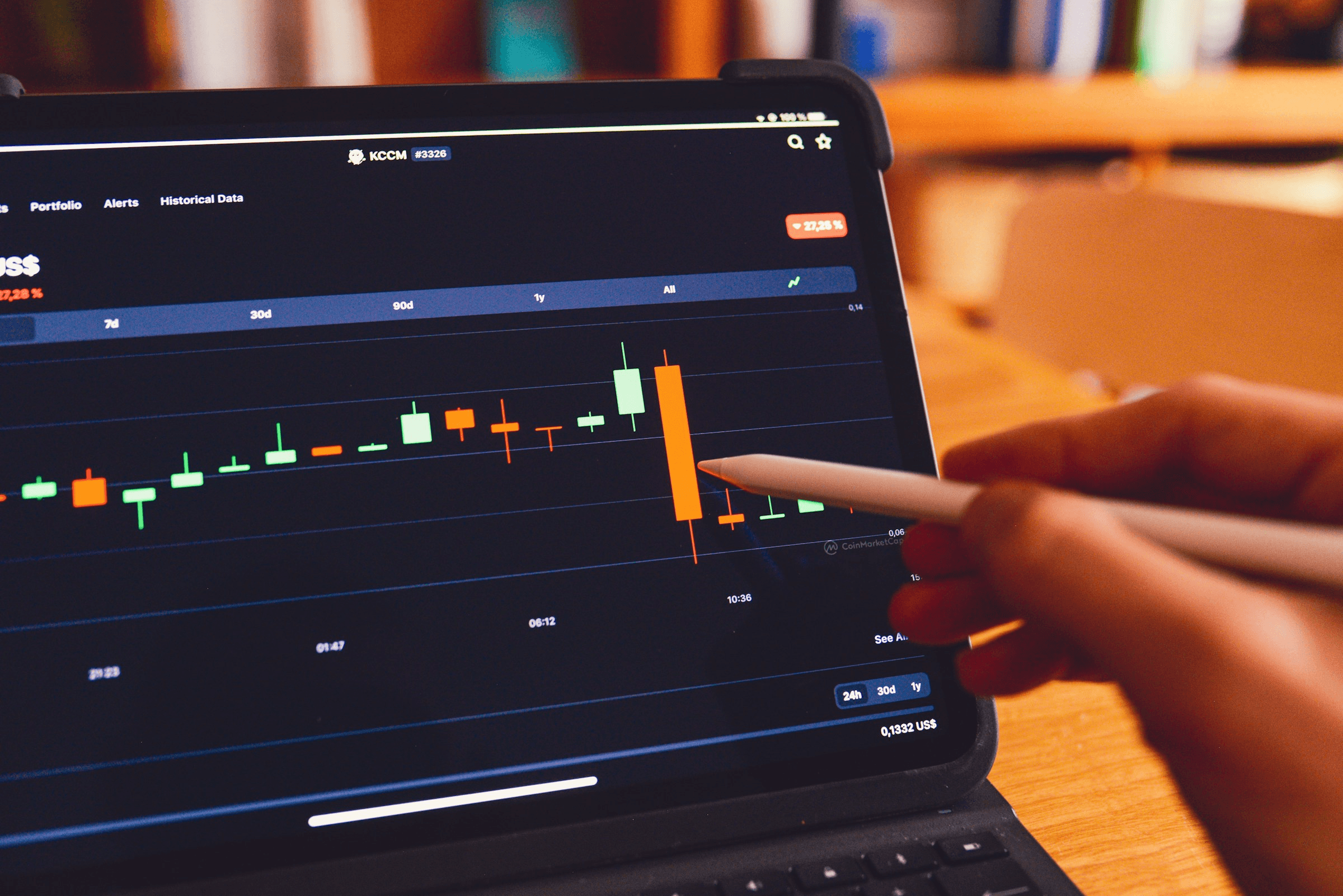
Many new day traders feel the rush to start placing real trades right away, convinced that jumping into live markets is the quickest way to gain experience. This common belief overlooks how quickly small mistakes can add up to big losses in such a fast-paced environment. The good news is that a paper trading simulator offers a practical solution. It lets you practice in real market conditions without risking your hard-earned cash. Studies of day traders show that more than 8 out of 10 lose money in a typical six-month period, and fewer than 1% achieve consistent profits over time. This reality makes simulated practice a smart first step that can protect your capital and spark real enthusiasm for trading smarter, not harder.
Protecting Capital While Building Competence
The first trade you place in a live account carries the same execution risk as your hundredth, but your ability to handle that risk differs dramatically. Beginners who skip simulation often discover this gap when a position moves three percent against them in minutes, and panic forces them to exit at the worst possible moment. They understood stop-loss theory but never practiced placing one under pressure, never felt the urge to override their own rules when the chart screams that this time is different.
Building Mechanical Reflexes for High-Volatility Execution
Paper trading builds the mechanical reflexes that prevent these errors. You learn how quickly prices gap during earnings announcements, how spreads widen when volume drops, and how your platform's order routing behaves when volatility spikes. These lessons cost nothing in simulation but drain accounts rapidly in live trading. The repetition creates muscle memory so that when real money appears, your hands execute the plan while your emotions scramble to catch up.
Testing Strategies Against Market Reality
Every trading strategy looks brilliant in hindsight when you're reviewing static charts. The pattern seems obvious, the entry perfect, the exit timed flawlessly. Then you try executing that same setup in real time and discover the price never quite reaches your ideal entry, or it triggers your stop before reversing exactly as you predicted, or the spread eats half your expected profit before you even exit.
Validating Strategy Survival Under Realistic Conditions
Simulators expose these gaps between theory and execution by forcing you to trade actual price action as it unfolds. You run the same momentum strategy across 50 trades and notice it only works during the first hour after the market opens, when volume is concentrated. You test breakout entries and realize most fail because you're chasing moves that have already exhausted themselves. This iterative testing reveals which edges survive contact with live markets and which evaporate under realistic conditions, saving you from funding strategies that were never going to work.
Bridging Practice and Professional Funding
Most traders treat paper trading as an endless rehearsal, cycling through months of simulation without clear benchmarks for advancement. The smarter approach treats it as a qualification. Platforms like Goat Funded Trader recognize that consistent paper trading performance directly predicts funded success, so they evaluate traders in simulation before granting access to accounts up to $2M. You prove your strategy works, demonstrate disciplined risk management, and show emotional control across varied market conditions. Once those benchmarks appear, you trade with their capital while keeping up to 100% of profits, turning paper trading from practice into the unlock phase of earning real payouts.
Building Discipline Without Financial Consequences
The hardest skill in day trading isn't finding profitable setups.
It's following your rules when every instinct screams to deviate.
- You planned to risk one percent per trade, but this setup looks so perfect that two percent feels justified.
- You set a profit target at resistance, but the momentum feels strong enough to hold for more.
- You promised to stop after two losses, but the third trade will obviously recover what you just gave back.
Cultivating Discipline Through Consequence-Free Error
Simulators let you confront these impulses in an environment where breaking your rules teaches you, rather than bankrupting you.
- You overtrade during a losing streak and watch your virtual account drop fifteen percent in a session, learning viscerally why position sizing matters.
- You hold winners too long and see profits evaporate, understanding why predefined exits exist.
Each mistake builds the discipline required to execute your plan when real capital makes every decision feel urgent and every loss personal.
Related Reading
- Day Trading Paper Trading
- Crypto Paper Trading
- Paper Trading For Beginners
- TradingView Paper Trading Demo Account How To Use
- How To Do Paper Trading
- Best Demo Trading App
- Best Demo Trading Platform
How to Get Started With Practicing Day Trading Using Paper Trading Simulators

You download a simulator, activate the paper trading mode, and start placing trades with virtual capital against live market data. The entire setup takes under ten minutes if you choose a platform that doesn't require account funding or identity verification. What separates productive practice from aimless clicking is treating every simulated trade with the same planning and emotional weight you'd apply to real money, because the habits you build now determine whether you'll survive when capital becomes actual.
Choosing a Platform That Matches Your Trading Style
Start by identifying whether you're testing intraday stock scalps, swing trades on crypto, or futures contracts, then select a simulator that supports those instruments with real-time or near-real-time price feeds. TradingView offers instant activation through its chart interface, requiring only an email signup before you execute trades on thousands of global markets. Webull delivers a mobile-first experience ideal for practicing quick entries during commutes or breaks, while thinkorswim from Charles Schwab provides institutional-grade tools for testing complex multi-leg options strategies or automated order routing.
Removing Barriers to Entry and Rapid Testing
$0 required to start with most simulators, which eliminates the friction that keeps most beginners stuck in analysis paralysis. You avoid the psychological barrier of depositing funds before you've proven your strategy works, and you sidestep the regulatory constraints like Pattern Day Trader rules that would otherwise limit your practice frequency. Free access means you can test five different momentum strategies across three platforms in a single week without spending anything beyond your time.
Setting Clear Benchmarks Before You Start
Define your success criteria upfront instead of drifting through months of unfocused simulation. Commit to specific metrics like achieving positive returns across 60 consecutive trading days, keeping maximum drawdown below ten percent, or maintaining a win rate above fifty-five percent with a risk-reward ratio of at least 1:1.5. These targets create accountability and prevent the endless rehearsal trap where traders cycle through years of paper trading without ever graduating to funded accounts.
Quantifying Performance for Capital Qualification
Track every trade in a journal that captures entry reasoning, exit execution, emotional state during the position, and deviations from your plan. When patterns emerge showing you consistently exit winners early during volatile sessions or revenge trade after two consecutive losses, you've identified the specific behavioral work required before accessing real capital. Platforms like Goat Funded Trader recognize this progression by evaluating traders through simulation challenges and granting access to accounts up to $2M to those who demonstrate consistent performance and disciplined risk management. You prove your edge in paper trading, then trade with their capital while keeping up to 100% of profits, transforming practice into the qualification phase for earning real payouts.
Executing Your First Simulated Trades
Place your initial trades strictly following a predefined plan that specifies entry signals, position size as a percentage of virtual capital, and exact exit conditions for both profit targets and stop losses. Resist the urge to improvise or test multiple strategies simultaneously during early sessions, because scattered experimentation prevents you from isolating what actually works versus what got lucky. Focus on one setup across 20 trades before evaluating whether the edge holds; adjust variables only after collecting enough data to separate signal from noise.
Developing Mechanical Consistency Through Real-Time Exposure
Monitor how execution feels different from backtesting static charts. You'll notice prices gap past your intended entry, spreads widen during news releases, and your emotional response shifts as unrealized profit fluctuates in real time. These micro-experiences build the reflexes required for live trading, where hesitation costs opportunities and impulsive overrides destroy accounts. The goal isn't to perfect every trade but to develop the mechanical consistency that lets you execute your plan regardless of whether the last three positions won or lost. But turning consistent simulator performance into funded profitability requires understanding which practice habits actually transfer and which create dangerous illusions.
Tips for Using Paper Trading Simulators to Practice Day Trading Effectively
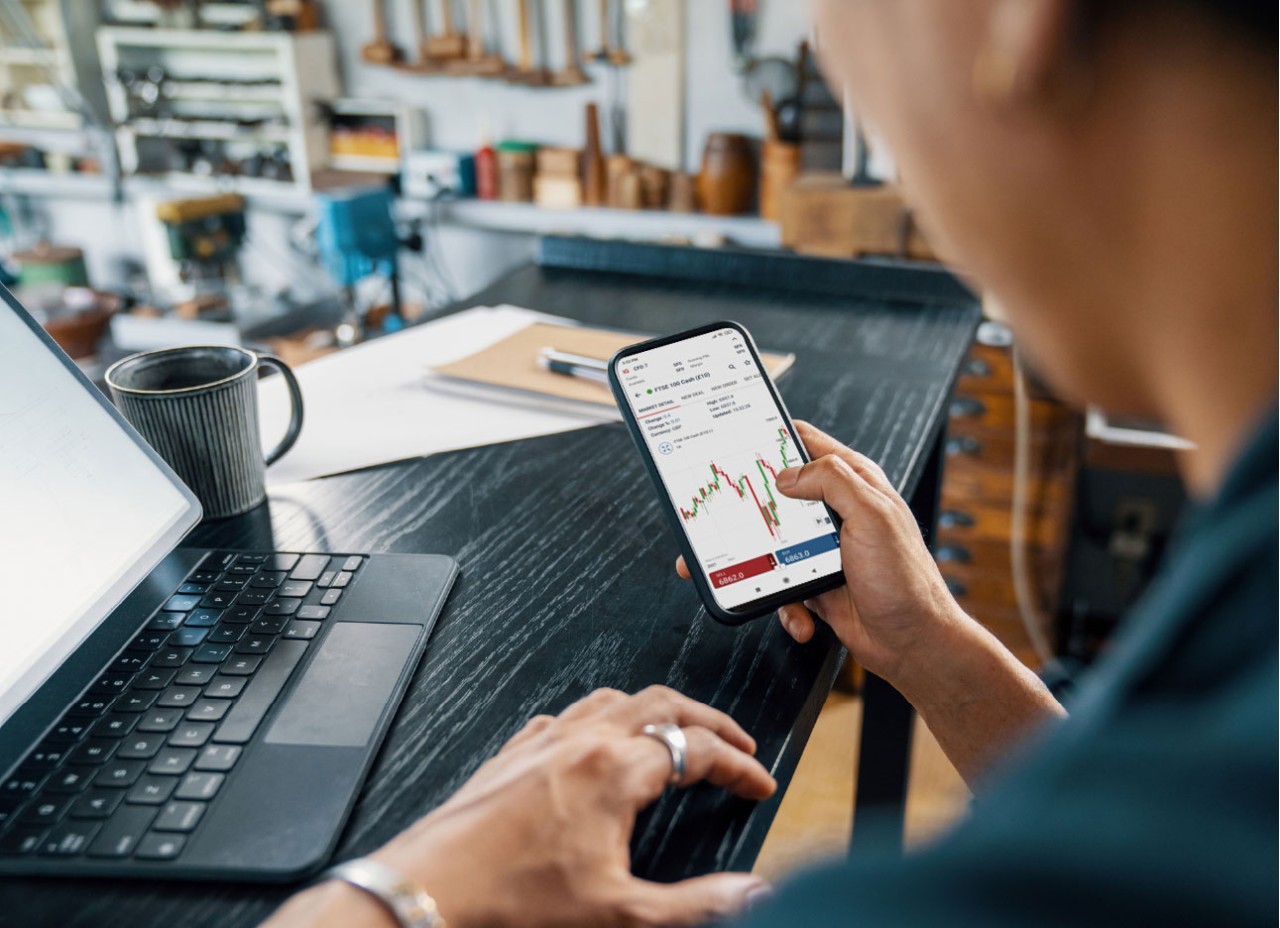
Effective simulator practice requires more than logging hours in front of charts. You need structured repetition focused on specific skills, deliberate feedback loops that expose weaknesses, and clear progression metrics that signal readiness for funded capital. Most traders waste months cycling through unfocused sessions without isolating what actually needs improvement, treating simulation like a video game instead of professional training. The difference between productive practice and aimless screen time becomes clear when you transition to live markets and discover whether your habits hold up or collapse.
Replicate Your Intended Live Trading Environment Exactly
Configure your simulator to mirror the exact conditions you'll face when trading with real capital. Set your virtual account size to match what you'll actually fund, whether that's $5,000 or $50,000, because position sizing calculations change dramatically across different capital bases. Use the same time-of-day restrictions you plan to follow live (for example, trading only the first 90 minutes after market open), and limit yourself to the same number of trades per session you'll execute when commissions and emotional fatigue become real factors.
Aligning Practice Constraints With Live Reality
90% of day traders lose money in their first year, often because they practiced in conditions that bore no resemblance to their actual trading constraints. If you plan to scalp with a $500 risk per trade but practice with $5,000 positions, you're training muscle memory that will betray you when capital becomes actual.
Track Performance Metrics That Predict Funded Success
Stop obsessing over total profit and start measuring the behaviors that sustain long-term profitability.
- Calculate your risk-adjusted return by dividing net profit by maximum drawdown, revealing whether gains came from disciplined execution or lucky streaks that masked poor risk management.
- Monitor your average hold time to ensure it aligns with your strategy (momentum scalpers should average under five minutes, while breakout traders might hold 20 to 40 minutes), because deviations signal you're improvising instead of following your plan.
- Track how often you honor your predefined stops versus moving them when trades go against you, since stop-loss discipline separates professionals from gamblers.
These metrics expose the gap between what you think you're doing and what your order history proves actually happened.
Use Replay Mode to Isolate Specific Skill Deficits
Most platforms offer historical replay features that let you trade past sessions bar-by-bar without knowing future price action. Select days when your target setups appeared frequently (high-volume earnings weeks, Federal Reserve announcement days, or periods with strong sector rotation), then practice executing only those specific patterns until recognition becomes automatic. If you struggle with premature exits, replay winning trades and force yourself to hold until your planned target is hit or your stop is triggered. If you chase entries, replay sessions where you missed initial breakouts and practice waiting for pullback confirmations instead. This targeted repetition builds the pattern recognition that live markets demand but rarely give you time to develop during actual trading hours.
Simulate Losing Streaks to Build Emotional Resilience
Deliberately create scenarios where you execute your plan perfectly but still lose money across multiple consecutive trades, because markets don't reward good process on every individual position. Take five trades following your rules exactly, accept that variance might produce five losses, then evaluate whether you maintained discipline or started revenge trading after the third loser. This controlled exposure to drawdowns teaches you how your decision-making degrades under stress before real capital amplifies that pressure. The traders who survive in the long term aren't the ones who avoid losses, but the ones who maintain mechanical consistency when losses cluster.
Proving Process Discipline for High-Scale Funding
Platforms like Goat Funded Trader evaluate traders based on exactly this combination of profitability and process discipline. Once you demonstrate consistent risk management and emotional control across varied market conditions in simulation, you qualify for accounts up to $2M. You trade with their capital, keep up to 100% of profits, and withdraw earnings on demand, but only after proving your simulator performance reflects genuine skill rather than lucky timing or reckless position sizing. The evaluation phase filters out traders who haven't built the habits required to survive when capital becomes real.
Graduate to Live Trading When Data Confirms Readiness, Not When Confidence Feels High
Set objective benchmarks before you start practicing: 60 consecutive profitable days, maximum drawdown under 8%, win rate above 52% with average winners exceeding average losers by at least 1.2x. Once your simulator results meet these thresholds across different market conditions (trending days, choppy ranges, high volatility events), you've earned the right to access funded capital. Confidence without data is delusion, and more simulation without clear goals is procrastination. But knowing when you're ready to trade funded accounts is only half the challenge. Understanding how to access capital without risking your own savings requires a conversation entirely different.
Related Reading
- Best Free Paper Trading Platform
- How To Practice Trading Stocks
- Best Paper Trading Simulator
- How To Use Webull Paper Trading
- Best Futures Paper Trading Platform
- Best Simulated Trading Platform
- Best Trading Platform For Beginners
- Best Day Trading Simulator
Get 25-30% off Today - Sign up to Get Access to Up to $800K Today
You've spent weeks in paper trading simulators, mastering entries, refining risk management, and watching your virtual account compound gains without a single dollar at risk. The problem is that simulators reward practice but never pay you, and when you finally switch to live trading with your own savings, the account sizes feel tiny, the pressure spikes, and every losing trade threatens money you actually need. The gap between simulation success and earning real income stays wide until you find a structure that bridges both.
Optimizing Trader Growth Through Flexible Funding
Goat Funded Trader solves this by turning your paper trading skills into access to real capital without requiring you to risk personal funds. You trade simulated accounts up to $800K under the same conditions you've been practicing, but this time your profitable trades generate actual payouts.
- No minimum profit targets means you're not forced into overtrading to hit arbitrary benchmarks.
- No time limits mean you execute your strategy at your own pace, rather than rushing to meet deadlines that conflict with proper risk management.
Triple paydays with up to 100% profit splits mean you keep everything you earn, and the 2-day payment guarantee ensures your withdrawals process faster than most brokers settle trades.
Scaling Strategy Into Real-World Earnings
Over 98,000 traders have already collected more than $9.1 million through this model, which removes the friction that keeps most people stuck between simulation and profitability. You choose a customizable challenge that matches your trading style, prove your edge under realistic conditions, then scale into funded capital. If you'd rather skip evaluation entirely, instant funding options let you start trading immediately with capital already allocated. Either path converts your simulator practice into earnings without the years of saving required to self-fund a meaningful account. Sign up today to access up to $800K and lock in 25 to 30% off. Your paper trading results are about to start paying you.
Be Great and get the App