






Top 9 Futures Paper Trading Platforms to Practice Risk-Free
Futures paper trading: Compare 9 platforms with demo accounts, real-time data, and simulator tools to practice risk-free. Find your fit.


Picture this: you're eager to trade futures contracts, but the thought of risking real capital while you're still learning sends a chill down your spine. Finding the best paper trading app becomes your first mission, because simulated trading lets you test strategies with E-mini S&P 500, crude oil, or gold futures without losing a dime. This article walks you through selecting a top-tier platform for futures paper trading, then shows you how to build strategies that translate into actual profits when you switch to live trading.
Many traders waste months bouncing between clunky simulators that don't mirror real market conditions. Goat Funded Trader offers a prop firm solution designed specifically for futures traders who want authentic paper trading environments that replicate live order execution, slippage, and market depth. Their platform gives you the tools to practice with realistic capital allocations, refine your entries and exits on actual market data, and demonstrate consistent profitability before you ever fund a live account or pursue a funded trading opportunity.
Summary
- Futures paper trading eliminates the financial risk that destroys most new traders while providing full exposure to live market conditions. Platforms replicate real-time price movements, order fills, margin requirements, and daily settlements using virtual capital, allowing you to build execution competence without risking actual money.
- Most traders waste months in clunky simulators that fail to mirror professional execution environments. 90% of traders lose money, often because fear and greed override discipline when real money is on the line. Paper trading removes emotional intensity during the learning phase, but that advantage becomes a liability if you don't manually factor in realistic commissions, slippage, and partial fills that inflate simulated performance.
- Performance tracking reveals whether your edge survives real order flow or collapses under execution friction. Three months of consistent virtual profits with win rates above 55%, risk-reward ratios above 1.5:1, and maximum drawdowns under 8% signal that your approach handles real market pressure rather than theoretical scenarios.
- The platform you choose determines whether simulated experience prepares you for funded trading or wastes time on tools that don't replicate professional workflows. Nine futures paper trading platforms stand out for high-fidelity data, realistic order fills, and institutional-grade interfaces, including NinjaTrader's tick-by-tick market replay, Interactive Brokers' worldwide futures access with real margin rules, and TradeStation's seamless switching between simulated and live modes within the same interface.
- Traders often advance to structured prop firm programs once basic paper trading solidifies foundational skills, adding layers of accountability that elevate practice to a professional standard. Traders earn $10,000+ in monthly profits after demonstrating competence in account evaluation, showing that consistent simulated results translate into withdrawable income when combined with access to institutional capital.
Goat Funded Trader addresses this by offering simulated accounts up to $800K, with evaluation frameworks designed for consistency, enabling traders to access institutional capital through performance-based challenges and withdraw up to 100% of profits without risking personal funds.
What is Futures Paper Trading, and How Does it Work?
Futures paper trading lets you execute buy and sell orders on standardized futures contracts using virtual capital in a simulated environment that mirrors live market conditions. You practice with pretend funds while the platform replicates real-time price movements, order fills, margin requirements, and daily settlements. It's the proving ground where you build competence without risking a dollar of your own money.
Understanding Futures Contracts
Futures contracts lock in an agreement to buy or sell a specific asset at a predetermined price on a set future date. Exchanges standardize every detail (quantity, quality, expiration) so thousands of participants can trade the same instrument with full transparency.
You might speculate on crude oil, gold, or the S&P 500, controlling large positions through leverage while posting only a fraction of the contract value as initial margin. Daily mark-to-market settlements adjust your account balance as prices shift, crystallizing gains or losses before the contract even expires.
The Mechanics Behind Futures Paper Trading
You open a simulation account, receive virtual capital (often $100,000 or more), and access live data feeds showing current bid-ask spreads, depth of market, and tick-by-tick price changes. When you place a market order, the platform fills it according to simulated liquidity just as a real exchange would match your trade with a counterparty.
Limit orders rest on the book until the price reaches your level, stop orders trigger when thresholds are broken, and positions update every second as the underlying asset moves. The system tracks margin usage, issues maintenance calls if equity drops too low, and rolls contracts forward before expiration, all automatically.
Essential Platform Tools
Professional simulators provide advanced charting with dozens of technical indicators, customizable workspaces, and order-entry interfaces such as DOM ladders that display real-time depth.
You can build watchlists across asset classes (energies, metals, equity indexes, interest rates), set alerts for price levels or volatility spikes, and review performance reports that calculate win rates, average trade duration, and maximum drawdown. These tools mirror what institutional traders use daily, so your practice session feels indistinguishable from a live trading desk.
Important Features to Consider
Simulated environments eliminate the emotional intensity that accompanies real capital at risk. 90% of traders lose money, often because fear and greed override discipline when real money is on the line. Paper trading also may not perfectly replicate slippage during high-volatility events or partial fills in thin markets, and most demos waive commissions, which can inflate perceived performance.
The gap between simulation and reality narrows only when you treat every virtual trade with the seriousness of a funded account, adhering strictly to risk rules and position-sizing protocols.
That discipline matters more than most traders expect, especially when the next step isn't risking your own capital at all.
What are the Reasons to Try Futures Paper Trading?
Futures paper trading builds the specific skill set you need to handle leverage, margin, and volatility without burning through personal capital. It lets you test strategies across live market conditions, master platform mechanics, and develop the emotional discipline required to execute under pressure. More importantly, it proves you can trade profitably before you ever need to risk your own money.
Validate Your Edge Before Capital Is on the Line
You might believe your strategy works because backtests show promise or because it feels logical on paper. Live simulation reveals whether that edge survives real order flow, slippage, and the psychological weight of watching positions move against you in real time. Paper trading exposes flaws in entry timing, exit discipline, and position sizing that backtests gloss over. You iterate quickly, discarding what fails and refining what holds up, so the strategy you eventually deploy has survived actual market pressure rather than theoretical scenarios.
Detailed performance tracking shows win rates, average profit per trade, and maximum drawdown specific to the futures instruments you trade. These metrics tell you whether your approach generates consistent results or whether early wins were luck masquerading as skill.
Build Competence That Unlocks Institutional Capital
The traditional path tells you to practice in simulation, then graduate to risking your own savings in a live brokerage account. That model assumes your capital should fund your learning curve. A better approach treats paper trading as the gateway to accessing someone else's capital.
Transitioning From Personal Risk to Institutional Capital
Prop firms like Goat Funded Trader provide simulated accounts of up to $2M to traders who demonstrate consistent profitability during evaluation phases. Instead of risking personal funds to prove competence, you earn the right to trade institutional capital and keep up to 100% of the profits. Paper trading becomes the audition, not the rehearsal for a performance you fund yourself.
This shift changes how you approach simulation. Every trade matters because your performance determines whether you unlock serious capital and start earning from trading skill rather than gambling with savings.
Rebuild Confidence After Losses Without Financial Consequences
A string of losing trades shakes belief in your process, even when the strategy itself remains sound. 90% of traders lose money in their first year, often because emotional reactions override discipline after setbacks. Paper trading lets you retest proven methods in a consequence-free environment, restoring the mental foundation needed to execute with poise.
Success in simulation reinforces that sound decision-making works, bridging the gap between doubt and decisive action when you return to funded trading. The exercise trains emotional discipline by replicating market swings while removing the fear of capital erosion. Consistent simulated results prove your process functions, which matters more than any single trade outcome.
Accelerate Learning Across Market Conditions You Can't Schedule
Futures markets cycle through bullish rallies, sharp reversals, and sideways chop on their own timeline. Paper trading immerses you in these live rhythms without waiting months to encounter specific scenarios. You learn how volatility spikes around economic releases, how contract months interact during roll periods, and how liquidity shifts across instruments such as crude oil, gold, and E-mini S&P 500 futures. This direct exposure sharpens timing and risk awareness that no amount of reading or video tutorials can replicate.
Screen time accumulates faster in simulation because you can trade aggressively, testing ideas and making mistakes that would be costly in a live account. The learning curve compresses, and the instincts you develop translate directly into faster, sharper decisions when real capital is at stake.
Related Reading
- Best Paper Trading App
- What Is Paper Trading
- Simulated Stock Trading
- Practice Crypto Trading With Fake Money
- Simulated Futures Trading
- Does Robinhood Have Paper Trading
- Where To Practice Day Trading
- Simulated Day Trading
Can You Make a Profit From Futures Paper Trading?

Many traders dismiss futures paper trading as nothing more than a harmless game with fake money and zero real gains. They assume it cannot deliver actual profits because nothing is at stake. Yet this common belief misses a powerful truth: treating paper trading like a serious training ground equips you with the skills, discipline, and tested strategies that can lead to consistent profits once you move to live markets.
A recent CFTC analysis of retail futures traders found that the median participant experiences small losses of roughly $100 to $200 per trading event, with only the top 40 percent breaking even or better. Paper trading gives you the risk-free edge to join that smaller group of winners instead of adding to the majority who lose.
Why Virtual Profits Matter More Than Real Ones
Simulated gains tell you whether your edge survives volatility, slippage, and the psychological weight of watching positions move against you. 90% of day traders lose money, often because they skip the proving phase and jump straight into funded accounts without validated methods.
Paper trading filters out strategies that look profitable in backtests but collapse when execution friction appears. Three months of consistent virtual profits (win rates above 55%, risk-reward ratios above 1.5:1, maximum drawdowns under 8%) signal that your approach handles real order flow, not just theoretical scenarios.
Flipping the Traditional Funding Model
That proof matters because it unlocks a better path than risking personal capital. Traditional advice tells you to practice in simulation, then graduate to a live brokerage account funded with your savings.
Prop firm flips that model by offering simulated capital accounts of up to $2M to traders who demonstrate profitability during evaluation phases. Instead of funding your learning curve with personal money, you earn the right to trade institutional capital and withdraw up to 100% of the profits. Your paper trading performance becomes the audition for accessing serious capital, not the rehearsal for a performance you bankroll yourself.
The Emotional Gap Between Simulation and Capital
Paper trading removes financial pressure, which creates a dangerous blind spot. You execute flawlessly in simulation because fear and greed stay dormant when nothing is at stake. The moment real capital appears (even $500 in a micro account), emotions override discipline.
You hold losing trades too long, hoping for reversals, cut winners early to lock in profits, and abandon proven rules the instant doubt surfaces. That gap explains why strong simulated results often collapse during live trading.
Treating Simulation With Professional Rigor
The fix requires treating every virtual trade as seriously as a funded account. Use the same position sizes you plan to deploy with real capital, factor in realistic commissions and slippage, and review performance weekly as if every dollar counted. Many traders continue to use paper accounts alongside funded ones to test new setups before committing capital, thereby compressing the learning curve without adding risk.
Turning Simulated Success Into Withdrawable Income
Once you achieve consistent positive results over several months while trading exactly as you would with real money, you are ready to transition. Traders earning $10,000+ monthly profits after proving competence in evaluation accounts.
Start with the smallest contract sizes available (micro E-mini S&P 500 or micro crude oil) to keep risk minimal while you adjust to the emotional difference. The discipline you built in simulation translates directly, but only if you maintained the same risk protocols throughout your practice phase.
Validating Your Edge for Capital Access
The real shift happens when you stop viewing paper trading as a pointless practice and start treating it as the gateway to institutional capital. Your virtual profits become the data-backed proof that your edge exists, positioning you far ahead of the average retail trader who burns through savings before developing any competence. That proof opens doors to capital you never had to risk in the first place.
But proving profitability is only useful if you choose the right platform to practice on, and that decision shapes everything that follows.
Related Reading
- Day Trading Paper Trading
- Crypto Paper Trading
- Paper Trading For Beginners
- TradingView Paper Trading Demo Account How To Use
- How To Practice Paper Trading
- How To Do Paper Trading
- Best Demo Trading App
- Best Demo Trading Platform
Top 9 Futures Paper Trading Platforms to Practice Risk-Free
1. NinjaTrader

NinjaTrader excels as a futures-focused platform that delivers a professional-grade simulation environment tailored for active traders. Its simulator mirrors live trading with high-fidelity data and tools, allowing users to practice everything from day trades to swing strategies on major contracts while building confidence without financial exposure.
Key Features
- Unlimited simulated trading sessions using live streaming market data for authentic practice.
- Tick-by-tick historical market replay with play, pause, and rewind controls to review past sessions in real time.
- An advanced backtesting engine to evaluate automated strategies on historical data before live deployment.
- Customizable Sim101 account that tracks cash balance, profit/loss, and margins just like a real account.
- Simulated data feed option to manually control market movements for targeted strategy testing.
- Free platform access with no fees during simulation, including full charting and order execution tools.
- Seamless switch from simulation to live trading once users feel prepared.
2. Charles Schwab thinkorswim paperMoney

Charles Schwab’s thinkorswim platform, through its paperMoney simulator, offers one of the most comprehensive virtual trading experiences available. It integrates professional-level charting and analysis directly into futures practice, helping users experiment with complex orders and multi-asset strategies in a realistic setting backed by real-time market feeds.
Key Features
- $100,000 in virtual buying power that updates dynamically with simulated trades and market moves.
- Full support for futures alongside equities, options, and forex in a single unified interface.
- Real-time market data simulation that replicates live conditions for accurate strategy testing.
- Advanced charting, scanning tools, and customizable alerts identical to the live trading version.
- Detailed performance tracking with profit/loss reports and virtual portfolio analytics.
- Easy transition between paperMoney and live accounts using the same platform layout and tools.
- Built-in educational resources and community chat for learning futures concepts during practice.
3. Interactive Brokers TWS Paper Trading
Interactive Brokers’ Trader Workstation (TWS) paper trading account stands out for its global reach and institutional-grade simulation. Designed to match live account functionality exactly, it lets futures traders explore a vast range of contracts across exchanges while testing sophisticated order types and risk controls in a fully simulated environment.
Key Features
- $1,000,000 in simulated equity with a loan value that behaves like real market conditions.
- Complete access to futures markets worldwide with the same permissions as a live account.
- Real-market data pricing and execution simulation for highly accurate trade fills.
- Full suite of advanced order types, including brackets, algos, and conditional orders.
- Ability to reset or customize the virtual balance at any time for flexible practice scenarios.
- Multi-platform support, including desktop TWS, mobile app, and Client Portal for on-the-go simulation.
- API testing capabilities to develop and validate automated trading systems risk-free.
4. TradeStation Simulator

TradeStation’s built-in trading simulator provides a powerful environment for developing futures strategies. It equips users with the full desktop platform toolkit in a virtual environment, emphasizing forward testing and seamless integration between practice and live execution for futures traders who value precision and automation.
Key Features
- Unlimited virtual currency with easy balance resets for unrestricted strategy experimentation.
- Full access to futures trading tools, charts, and order management identical to the live platform.
- Dynamic switching between simulated and live trading modes within the same interface.
- Comprehensive backtesting and forward-testing capabilities tailored for futures contracts.
- Real-time data integration that supports accurate simulation of market depth and execution.
- Customizable workspaces, indicators, and automation rules that carry over to live accounts.
- Dedicated focus on futures alongside stocks and options for multi-asset practice sessions.
5. Webull Paper Trading

Webull’s paper trading simulator delivers a modern, mobile-friendly experience that includes futures alongside other assets. It emphasizes ease of use and real-time market interaction, making it an excellent choice for traders who want to practice futures without complexity while accessing professional charting and alerts.
Key Features
- Unlimited virtual cash with the ability to reset the account balance anytime for repeated testing.
- Real-time quotes and market data specifically designed to support futures contract simulation.
- Over 60 technical indicators and 17+ charting tools available directly in the paper trading interface.
- Commission-free simulated trades across futures, stocks, ETFs, and options.
- Intuitive desktop, web, and mobile platforms for practicing from any device.
- Price alerts, watchlists, and Level 2 data integration for realistic futures market monitoring.
- Zero-risk environment that mirrors live trading mechanics to build execution confidence.
6. TradingView Paper Trading

TradingView’s paper trading simulator stands out for its user-friendly charting interface combined with direct futures support. It allows traders to test strategies on a wide range of index, commodity, and currency futures using visual analysis tools in a simulated environment that closely mirrors live market behavior.
Key Features
- Access to extensive futures contracts with simulated execution that accounts for the contract lifecycle, including expiration and settlement.
- Highly customizable charts with hundreds of technical indicators and drawing tools available during practice sessions.
- Real-time or near-real-time market data integration for authentic price action simulation.
- Adjustable virtual balance and leverage settings to match different risk scenarios and account sizes.
- One-tap order placement and position management directly from the chart interface.
- Mobile app support for practicing futures trades on the go with synchronized data.
- Community ideas and social features to observe and learn from other traders’ simulated strategies.
7. CME Group Trading Simulator

The CME Group Trading Simulator provides an official, exchange-backed environment for practicing futures and options on actual CME products. It delivers a direct connection to the world’s leading futures exchange data, making it ideal for traders who want to focus specifically on CME-listed contracts in a completely risk-free setting.
Key Features
- Real market data across all major asset classes, including equity index, interest rate, energy, and agricultural futures.
- Customizable workspaces with charting tools, indicators, and order entry widgets tailored for futures trading.
- Practice mode with delayed or real-time data options depending on the session type.
- Margin calculation that reflects actual exchange requirements to teach proper risk management.
- Trading challenges and competitions that add gamification while using simulated accounts.
- Support for standard, E-mini, and Micro-sized contracts to practice across different contract scales.
- Free access with no account funding required, including educational resources from the exchange.
8. ETRADE Power ETRADE Paper Trading

ETRADE’s Power ETRADE platform includes a robust paper trading mode that supports futures alongside other assets. Its intuitive design and educational integration make it suitable for newer futures traders who want a clean interface with professional-grade tools for strategy testing.
Key Features
- $100,000 in virtual funds that update realistically based on simulated trade outcomes and market movements.
- Futures ladders and depth-of-market views for precise order placement and monitoring.
- Advanced charting with technical studies and multi-leg options on futures simulation.
- Seamless mobile and web access for practicing from any device.
- Integrated snapshot analysis tools to evaluate potential profit/loss before executing simulated trades.
- Direct transition from paper trading to live futures accounts using the same platform layout.
- Built-in educational content and strategy testers focused on futures market mechanics.
9. tastytrade Paper Trading

tastytrade provides a streamlined paper trading experience optimized for active traders, including futures. Its platform emphasizes speed, education, and a no-nonsense approach, helping users practice high-volume futures strategies in a realistic, fast-paced simulator.
Key Features
- Virtual account funding that simulates real margin and position sizing for futures contracts.
- Fast order entry with customizable hotkeys and one-click trading tools in simulation mode.
- Live market data feeds supporting major futures products alongside options strategies.
- Educational video library and live shows are accessible while practicing trades.
- Detailed trade reporting and probability analysis tools carried over to the paper environment.
- Multi-monitor and desktop layout customization for professional workflow practice.
- Easy account switching between simulated and live modes with a consistent interface design.
How to Get Started With Futures Paper Trading
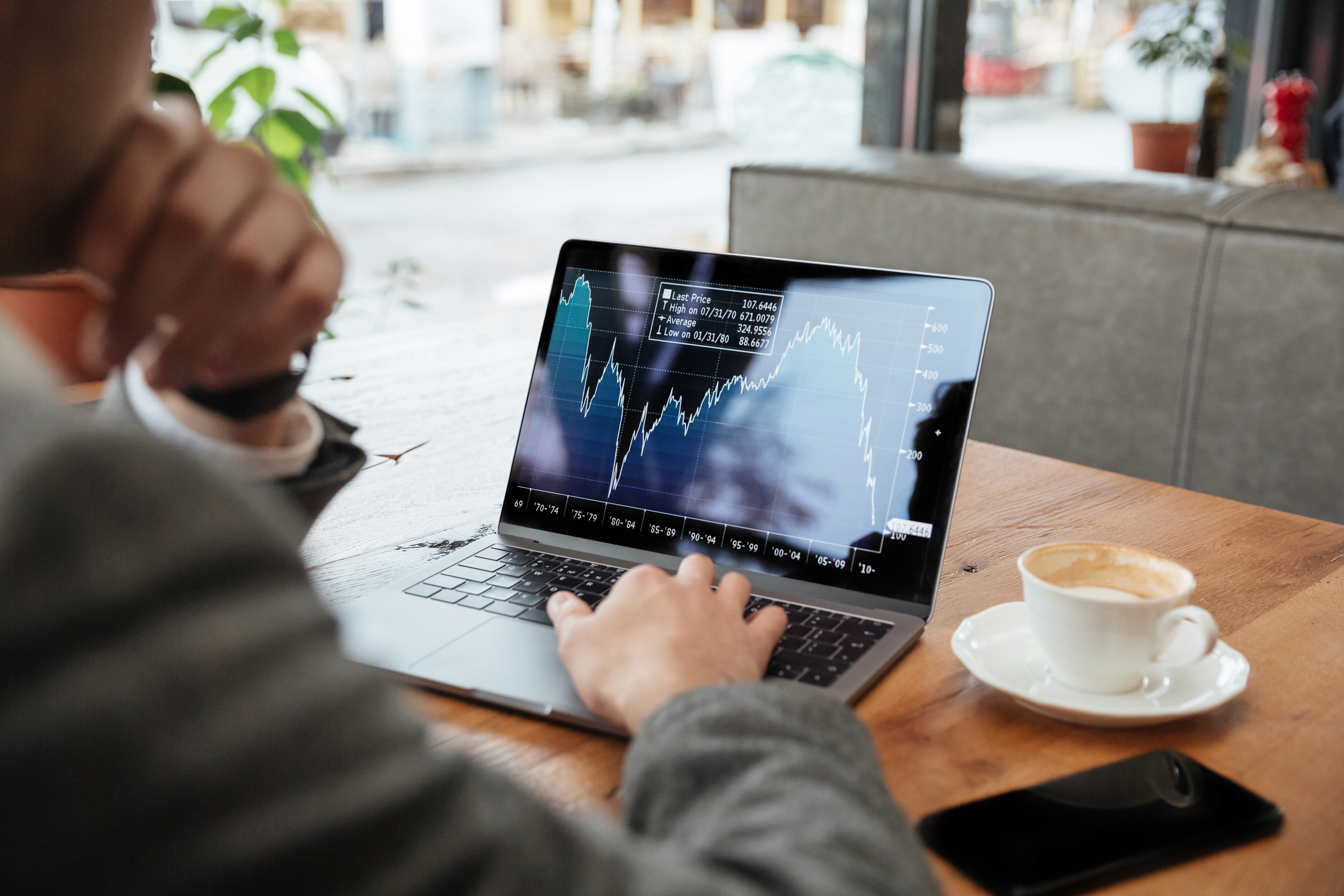
You open a simulator account, load virtual capital, and begin executing trades against live market data without risking a dollar. The process takes minutes to initiate but demands discipline to extract value. Most traders treat simulation casually because no money is at stake, so the practice session teaches nothing useful.
The moment you approach paper trading with the same seriousness you'd bring to a funded account, every trade becomes a data point proving whether your edge exists or whether you're gambling with a safety net.
Pick One Platform and Learn Its Interface Completely
Switching among multiple simulators dilutes muscle memory and wastes time relearning order-entry workflows. Choose a single platform that mirrors the tools you'll use with funded capital, then master every hotkey, chart layout, and order type until execution feels automatic.
NinjaTrader offers $50,000 simulated capital with tick-by-tick market replay, which lets you pause volatile sessions and practice the same breakout scenario until your entries become instinctive. That repetition builds the speed needed when real capital is on the line, and hesitation costs you the best fill.
Building Operational Fluency for Execution
Professional traders don't toggle between platforms hunting for features. They build fluency in one environment, so their attention stays on price action rather than hunting for buttons during execution. Your goal is to reach the point where placing a bracket order, adjusting a stop, or flattening a position requires zero conscious thought.
Define Risk Parameters Before Placing Your First Trade
Most traders open a simulation account, see a six-figure virtual balance, and immediately overtrade because the stakes feel imaginary. That approach guarantees your simulated results will be meaningless when you transition to funded capital.
Establishing Inviolable Risk Parameters
Set a maximum risk per trade (1% to 2% of account equity), define your daily loss limit (3% to 5%), and treat those boundaries as absolute. If you blow past them in simulation, you'll do the same when real money appears, and emotions override discipline.
Position sizing matters more than entry timing. A perfect setup executed with reckless leverage still produces catastrophic drawdowns. Calculate contract quantity based on your stop distance and risk tolerance before you enter the trade, not after price moves against you and panic sets in.
Track Every Trade in a Performance Journal
Your memory lies about why you entered a trade, what you felt during the position, and whether the outcome validated your process. A trading journal captures the objective truth. Record entry price, exit price, stop placement, profit target, the setup you identified, and whether you followed your rules.
After 50 trades, patterns emerge. You'll see that impulsive entries during choppy markets lose money 80% of the time, or that your best trades happen when you wait for confirmation instead of chasing breakouts.
Identifying Behavioral Leaks Through Performance Data
The journal also reveals emotional leaks. If you're cutting winners early or holding losers past your stop, the data shows it clearly. That awareness matters because 90% of day traders lose money, often because they repeat the same behavioral mistakes without objectively tracking performance. Simulated trading only builds competence if you measure results and adjust based on evidence instead of gut feeling.
Simulate Realistic Market Conditions
Paper trading platforms often ignore commissions, slippage, and partial fills, which inflate your results and create false confidence. Manually subtract $4 to $6 per round trip to account for broker fees, assume your market orders fill one tick worse than the displayed price during volatility, and recognize that limit orders in thin markets may only partially execute.
These adjustments make your simulated performance more closely match what you'll experience with funded capital, so your transition doesn't feel like stepping off a cliff.
Trading Institutional Capital Over Personal Savings
The traditional path tells you to practice until you're profitable in simulation, then open a live brokerage account and fund it with personal savings to prove your skill. Prop firms like Goat Funded Trader flip that model by offering evaluation accounts up to $2M for traders who demonstrate consistent profitability in simulated phases.
Instead of risking your own capital to validate competence, you earn the right to trade institutional funds and withdraw up to 100% of the profits. Your paper trading results become the audition for serious capital, not the rehearsal for a performance you bankroll yourself.
But proving you can execute a strategy consistently is only the beginning, and most traders sabotage their progress by ignoring the specific habits that separate profitable simulation from wasted screen time.
Related Reading
- Best Free Paper Trading Platform
- How To Practice Trading Stocks
- Best Paper Trading Simulator
- How To Use Webull Paper Trading
- Best Futures Paper Trading Platform
- Best Simulated Trading Platform
- Best Trading Platform For Beginners
- Best Day Trading Simulator
Tips to Get the Most Out of Futures Paper Trading?

Treat every simulated trade as if it will determine whether you earn access to institutional capital, because in the prop firm model, it does. The habits you build during paper trading transfer directly to funded accounts, so sloppy simulation guarantees sloppy execution when real profit potential arises. You need specific rituals that transform screen time from passive observation into active skill development.
Record Your Pre-Trade Checklist and Review it Before Every Entry
Write down the three conditions that must exist before you enter any position (trend alignment, volume confirmation, support or resistance proximity) and refuse to click the order button until all three appear. Many traders struggle with strategy hopping and trying multiple approaches without mastering one, leading to confusion and a lack of consistency.
Standardizing Execution for Statistical Validation
A pre-trade checklist forces you to execute the same process every time, which reveals whether your edge actually exists or whether early wins were random. After 30 trades using identical criteria, the data becomes undeniable. Either your win rate and risk-reward ratio justify the approach, or they don't.
The checklist also prevents impulsive entries during choppy markets. If price action doesn't meet your written conditions, you watch rather than trade. That patience compounds because the best setups become obvious once you've trained yourself to recognize the pattern.
Limit Your Trading Hours to Match Your Strategy's Optimal Window
Futures markets trade nearly 24 hours, but your strategy likely performs best during specific sessions when volatility and volume align with your approach. If you trade E-mini S&P 500 breakouts, the first 90 minutes after the New York open deliver the cleanest moves. Crude oil responds to inventory reports released at 10:30 AM Eastern.
Gold futures often see the sharpest swings during European session overlaps. Identify when your setups appear most frequently, then restrict your paper trading to those windows.
Mastering the Professional Rhythm of Execution
This focus prevents decision fatigue and timing challenges that surface when you stare at charts for eight hours, hoping something tradeable materializes. Professional traders don't watch markets all day. They show up when their edge has the highest probability of working, execute their process, then step away. Simulating that discipline during paper trading builds the rhythm you'll need when funded capital depends on consistent execution.
Test Position Scaling Strategies Before Funded Capital Arrives
Adding to winning positions amplifies profits when trends extend, but poor execution turns small gains into losses when reversals strike before your second entry fills. Use simulation to practice scaling in (adding contracts as price confirms your thesis) and scaling out (taking partial profits at predefined targets while letting runners capture extended moves). Track whether adding at specific technical levels improves your average profit per trade or simply increases drawdowns when setups fail.
Calculate the exact price levels where you'll add contracts before you enter the initial position, then execute mechanically when those levels hit. This removes emotional decision-making during live price action and trains you to think in probabilities rather than reacting to fear or greed. The data from 50 scaled trades reveals whether the complexity adds value or just creates more opportunities for mistakes.
Scaling Performance via High-Accountability Funding
Traders often advance to structured prop firm programs once basic paper trading solidifies foundational skills, adding layers of accountability that elevate practice to a professional standard. Goat Funded Trader combines simulated capital with performance-based evaluations and actual profit withdrawals, offering traders access to up to $800k through a straightforward challenge process with clear parameters, including a 3% maximum daily loss and a 6% overall maximum loss.
Profit splits range from 80% to 100%, with add-ons available; on-demand payouts process within 24 hours; and traders enjoy unlimited trading periods, news trading permissions, weekend holding, and 100% refundable one-time fees. This environment lets you apply paper trading lessons in a realistic, funded setting where consistency earns real rewards without personal liability for losses.
Simulate Worst-Case Scenarios to Stress-Test Your Risk Rules
Set up practice sessions where you intentionally enter trades during high-volatility news events, fast-moving breakouts, or illiquid overnight sessions. These conditions expose whether your stop-loss placement holds up when slippage widens spreads by multiple ticks, or whether your position sizing creates margin calls during sudden moves.
Most simulators ignore these frictions, but manually adjusting your fills to reflect realistic execution costs reveals how your strategy performs under hostile conditions.
Optimizing Entry Precision Through Drawdown Analysis
Track maximum adverse excursion (how far the price moved against you before hitting your target or stop) across all simulated trades. If that number consistently exceeds your risk tolerance, your entry timing needs refinement, or your stops sit too tight for the instrument's volatility. This analysis prevents the shock of discovering execution problems after you've committed funded capital to a flawed approach.
But knowing how to practice only matters if you understand what happens when that practice unlocks access to capital you never had to risk in the first place.
Get 25-30% off Today - Sign up to Get Access to up to $800K Today

Free simulators build execution skills, but they stop short of the accountability structure that separates serious traders from hobbyists. You can practice for years on platforms that track virtual profits without ever proving you can sustain performance under evaluation pressure or access the capital that turns competence into withdrawable income. The gap between unlimited paper trading and funded trading isn't skill. Its structure.
Flexible Frameworks for Performance-Based Funding
Goat Funded Trader bridges that gap by offering simulated accounts up to $800K with evaluation frameworks designed for consistency, not perfection. You choose between customizable challenges that let you set your own risk parameters or instant funding options that put you in a trading seat immediately.
No minimum profit targets force you into overtrading, no time limits create artificial urgency, and triple paydays with up to 100% profit splits mean your edge translates directly into income. The platform treats paper trading as the audition for institutional capital, not an endless rehearsal for a performance you fund with personal savings.
Incentivizing the Transition to Professional Funding
Sign up at Goat Funded Trader to access up to $800K in simulated capital and lock in 25 to 30% off your evaluation fee. The discount removes cost as a barrier while you prove the consistency you've already built through paper trading.
You transition from consequence-free practice to performance-based funding without risking a dollar of personal capital, which is how professional traders operate. Your simulated results become the data that unlocks serious capital, and your discipline becomes the habit that earns withdrawable profits.
Be Great and get the App