






How to Do Paper Trading: A Beginner's Learning Guide
How to do paper trading: practice with virtual money, learn order types, and build confidence before going live.
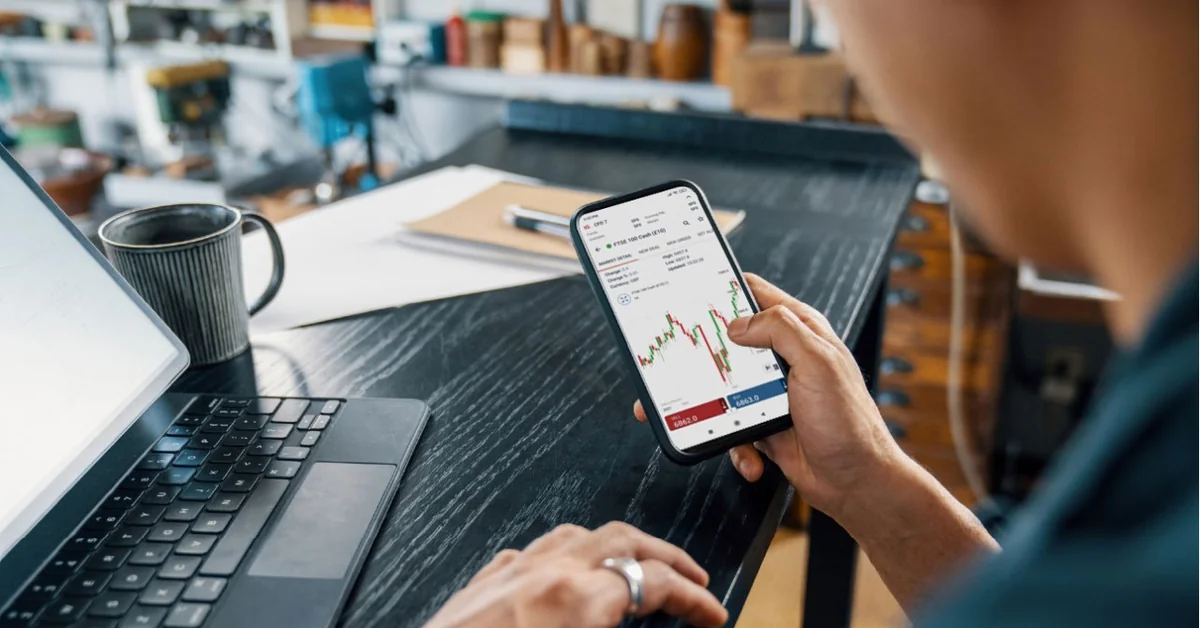

Picture this: you've spent weeks studying trading strategies, watching market movements, and dreaming about your first big win. But the moment you consider risking actual money, doubt creeps in. Learning how to do paper trading solves this exact problem by letting you practice with virtual money on simulated markets, and finding the best paper-trading app is your first step toward mastering trading without financial risk. This guide walks you through everything from setting up your practice account to executing mock trades, developing discipline, and tracking your performance so you can step into live markets with genuine confidence.
That's where a prop firm like Goat Funded Trader changes the game for aspiring traders. Their platform gives you access to professional-grade simulation tools that mirror real market conditions, allowing you to refine your entry and exit points, test different position sizes, and build the psychological resilience needed before actual capital enters the picture.
Summary
- Paper trading simulates real market activity using virtual funds, allowing you to execute buy and sell orders on platforms that mirror live conditions without risking actual capital. Modern platforms load the same data feeds that brokers use, so the prices you see reflect actual market movement, and some tools even introduce realistic friction, such as commission fees or slippage, during volatile periods.
- 90% of traders lose money, and a significant portion of that failure stems from jumping into live markets without adequate preparation. Paper trading removes that pressure entirely, letting you experiment with position sizing, test how different securities respond to news events, and build muscle memory of executing trades under various conditions.
- Simulation replicates mechanics but not emotion, creating a gap that catches many traders unprepared. 90% of day traders lose money, often because the psychological shift from simulation to live trading exposes them to fear and greed that never activated during practice. Traders who execute flawlessly in simulation freeze or abandon their plan the instant real dollars fluctuate, revealing that consequence-free practice builds technical skills but leaves emotional resilience untested until actual capital enters the equation.
- Simulators deliver ideal fills at quoted prices, ignoring slippage, partial fills, or the milliseconds of delay that occur when liquidity thins. In live markets, a market order during a volatile swing might execute several cents away from where you clicked, turning a planned 2% gain into breakeven.
- Trade Ideas found that 90% of traders lose money in their first year, often because they skip structured planning and jump straight into execution without testing their assumptions. Developing a comprehensive trading strategy before placing any virtual trades, including specific rules for entries, exits, stop-loss levels, and profit targets, prevents this outcome.
Prop firms like Goat Funded Trader address this gap by letting you trade real accounts funded by the firm, where actual fills, slippage, and market pressure test your approach without risking personal capital.
What is Paper Trading, and How Exactly Does It Work?
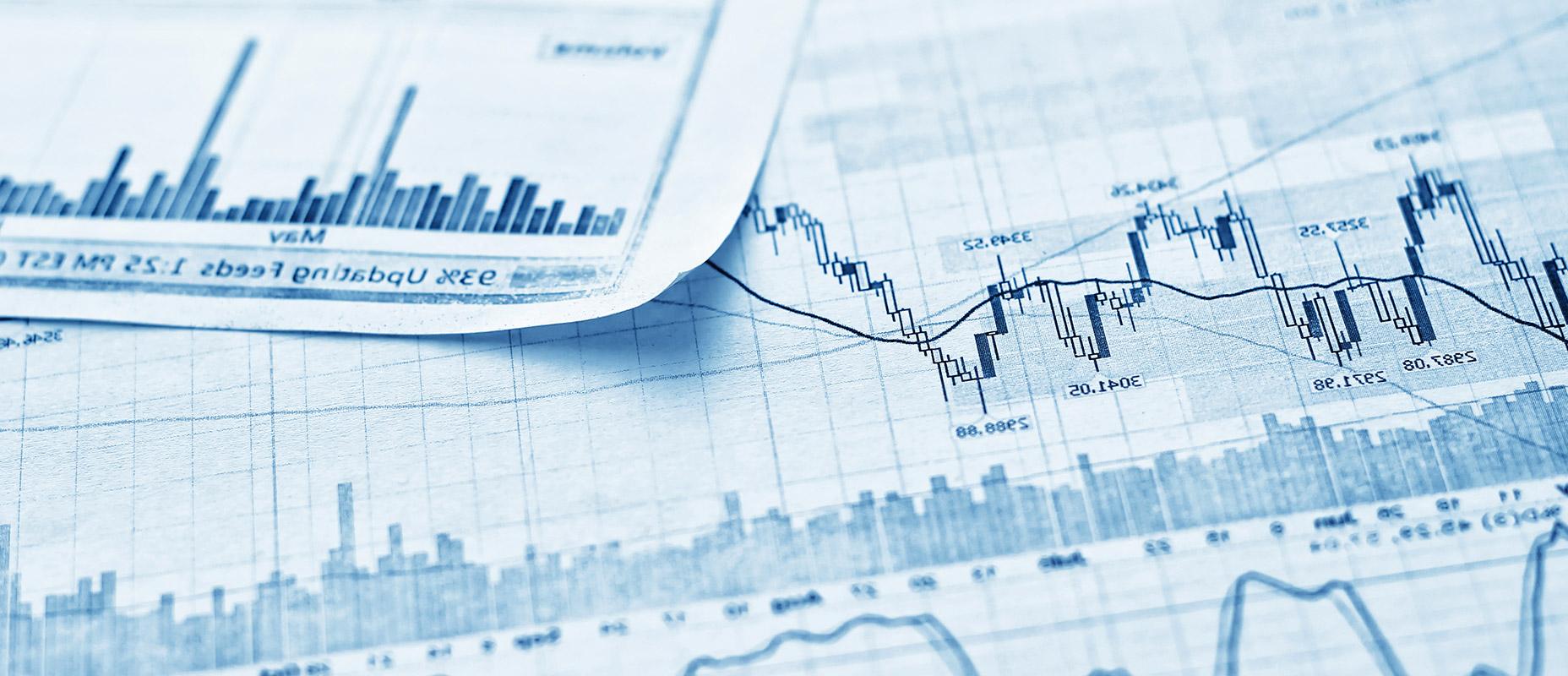
Paper trading simulates real market activity using virtual funds instead of actual capital. You execute buy and sell orders on platforms that mirror live conditions, complete with real-time price feeds, order types, and portfolio tracking, but no money changes hands. It's practice that looks and feels like the real thing, minus the financial consequences.
The mechanics are straightforward. You open a simulator account, receive a virtual balance (often $100,000 or more), and start placing trades. The platform records your entries and exits, calculates profit and loss as prices move, and updates your positions exactly as a brokerage would.
You can test market orders that fill instantly at current prices, limit orders that wait for your target, or stop losses that protect against runaway losses. Every tool available in live trading exists here, from equity charts to options chains, giving you full access to practice complex strategies without risking a dollar.
Why Beginners Need This Foundation
Starting with real money before you understand order execution is like learning to drive in rush-hour traffic. You'll make mistakes, everyone does, but those errors shouldn't cost you savings or shake your confidence before you've even started. 90% of traders lose money, and a significant portion of that failure stems from jumping into live markets without adequate preparation.
Paper trading removes that pressure entirely. You can experiment with position sizing, test how different securities respond to news events, and build the muscle memory of executing trades under various conditions. The goal isn't perfection. It's repetition without penalty, so when you transition to real capital, the mechanics feel automatic rather than overwhelming.
How Simulation Mirrors Real Conditions
Modern platforms load the same data feeds brokers use, so the prices you see reflect actual market movement. If Tesla drops 3% at 10:15 AM, your simulator shows that decline in real time. You place a buy order, and the system fills it based on current bid-ask spreads and available volume, just as a live account would.
Some tools even introduce realistic frictions, such as commission fees or slippage during volatile periods, forcing you to account for costs that eat into profits. This level of accuracy matters because it trains you to recognize patterns, anticipate price swings, and manage positions as if real money were on the line. The closer the simulation feels to live trading, the more transferable your skills become.
What Paper Trading Cannot Teach
Simulation replicates mechanics but not emotion. When you risk virtual funds, fear and greed stay dormant. You might hold a losing position too long because it's not real money, or take oversized risks you'd never attempt with actual capital. That gap creates a false sense of competence. Many traders post impressive paper returns, then watch their discipline evaporate the moment real dollars enter the equation. The psychological weight of watching your savings fluctuate is something no simulator can replicate.
That's where a prop firm changes the dynamic. Instead of jumping straight from virtual funds to your own capital, you trade real accounts funded by the firm, building emotional resilience under actual market pressure while limiting personal financial exposure. It's the bridge between consequence-free practice and the full psychological load of independent trading.
What is the Difference Between Paper Trading and Live Trading?

The gap between paper and live trading isn't about mechanics. Both use the same charts, the same order types, the same platforms. The difference lies in what happens inside your chest when you click submit.
Paper trading gives you consequence-free repetition to build technical skills. Live trading introduces financial risk, emotional pressure, and real market friction that no simulation can replicate. Understanding these distinctions before you transition saves you from expensive surprises and builds the foundation for sustainable performance.
Financial Risk: Zero Stakes Versus Real Skin in the Game
Paper trading lets you experiment with strategies using fake money, so every loss or big swing stays completely risk-free. This setup encourages trying new ideas, testing different position sizes, and learning from mistakes without any actual hit to your wallet, which makes it ideal for beginners building basic knowledge.
Live accounts mean your own capital is on the line with every trade. Even small errors can lead to real losses, forcing you to focus on smart risk management, such as limiting each trade to one or two percent of your total capital. 70% of traders who paper trade for at least three months before going live show better risk management, precisely because that preparation time builds habits that protect capital when it counts.
Emotional Pressure: Calm Practice Versus High-Stakes Feelings
With paper trading, there is no real money at risk, so emotions like fear of losing or greed for bigger wins rarely kick in. You stay cool and logical, sticking to your plan easily and avoiding impulsive moves driven by stress. Live trading, however, triggers strong emotions because actual profits and losses affect your finances and confidence.
Fear might make you exit winners too soon, while hope can keep you in losing trades longer than planned. Mastering these feelings through small live positions after paper practice is what separates consistent traders from the rest.
Order Execution Realism: Ideal Fills Versus Real-World Delays
Paper trading usually gives you instant fills at the exact price you expect, assuming plenty of liquidity and no delays. This clean simulation helps you focus purely on strategy without worrying about how fast the market moves or whether your order actually gets filled.
Live accounts deal with real market conditions, including slippage (where the executed price differs from what you saw), partial fills, and waiting in line behind other orders. These frictions can turn a winning strategy on paper into a break-even or losing one in reality, so experienced traders often add extra buffers in their plans to account for them.
Costs and Fees: Ignored in Simulations Versus Real Deductions
Most paper platforms skip or greatly simplify commissions, spreads, and other trading fees, letting your virtual results look cleaner and more profitable than they would in real life. In a live account, every trade comes with real costs, such as broker commissions and slippage, which eat into profits over time.
Successful traders learn to factor these in during paper sessions by manually subtracting estimated fees, ensuring their live results more closely match what they practiced. The difference between a 15% paper return and a 9% live return often comes down to these invisible costs that simulation ignores.
But even a perfect simulation can't prepare you for the one variable that determines whether you survive your first year in the markets.
Related Reading
- Best Paper Trading App
- What Is Paper Trading
- Simulated Stock Trading
- Practice Crypto Trading With Fake Money
- Simulated Futures Trading
- Does Robinhood Have Paper Trading
- Where To Practice Day Trading
- Futures Paper Trading
- Simulated Day Trading
Do Beginners Face Any Challenges When Paper Trading?
Yes, and the obstacles run deeper than most expect. Paper trading teaches mechanics beautifully but creates blind spots around emotion, execution realism, and overconfidence that surface the moment real capital enters the picture. Spotting these gaps early and pairing simulation with small live positions builds genuine readiness rather than false comfort.
The Absence of Genuine Emotional Stakes
Paper trading removes the financial consequences, so fear and greed never come into play. You might hold a losing position indefinitely because "it's just practice," or size up aggressively without the chest-tightening worry that real money triggers. 90% of day traders lose money, often because the psychological shift from simulation to live trading catches them unprepared.
Traders who execute flawlessly in practice freeze or abandon their plan the instant real dollars fluctuate. Journaling your emotional state during paper sessions helps, but nothing replicates the pressure of watching your savings move until you actually experience it with small stakes.
Differences in Trade Execution Realism
Simulators deliver ideal fills at quoted prices, ignoring slippage, partial fills, or the milliseconds of delay that occur when liquidity thins. In live markets, a market order during a volatile swing might execute several cents away from where you clicked, turning a planned 2% gain into breakeven.
Spreads widen during news events, and algorithms front-run common stop levels, a friction that paper platforms rarely model. Testing strategies with realistic cost assumptions during simulation, then scaling to micro-lots live, reveals how much these hidden frictions erode what looked profitable on paper.
The Pitfall of Overconfidence
Success after success in a risk-free environment breeds unrealistic expectations fast. Losses feel like mere numbers on a screen, so traders ignore position-sizing rules or chase setups they'd normally skip. When real capital appears, that overconfidence flips to hesitation or oversized bets that amplify drawdowns. One trader described posting strong paper results for months, then watching discipline evaporate during the first live week as emotions overrode every rule they had practiced.
Treating paper trading as a temporary stepping stone rather than proof of readiness keeps expectations grounded and reduces the sting when reality introduces variables that simulation never captured.
Challenges in Capturing Broader Market Influences
Paper setups focus on single assets or clean chart patterns, overlooking how index correlation, sector rotation, or sudden geopolitical news ripple through everything simultaneously. Stocks often move together during volatile periods, and simulators may not reflect how algorithmic activity targets common stop levels or how liquidity vanishes during after-hours gaps.
A strategy that works beautifully in isolation can fail dramatically when broader market dynamics shift. Reviewing paper results against major index performance and layering in awareness of volatility spikes builds a fuller picture that sharpens your edge when those dynamics appear live.
Simulated Training and Risk-Managed Exposure
Paper trading offers tremendous value as a low-pressure starting point, but approaching it with eyes open to these limitations accelerates your transition. The key lies in using it as a bridge, not a destination. Pair disciplined tracking with small real-money exposure, and you'll trade live with fewer surprises and genuine confidence.
Platforms like prop firm offer a middle path, letting you trade real accounts funded by the firm so you build emotional resilience under actual market pressure while limiting personal financial exposure during the critical learning phase.
But knowing the challenges is only half the equation. The real question becomes how you actually start building those skills without stumbling over the same pitfalls everyone else hits.
Related Reading
- Day Trading Paper Trading
- Crypto Paper Trading
- Paper Trading For Beginners
- TradingView Paper Trading Demo Account How To Use
- How To Practice Paper Trading
- Best Demo Trading App
- Best Demo Trading Platform
How to Do Paper Trading
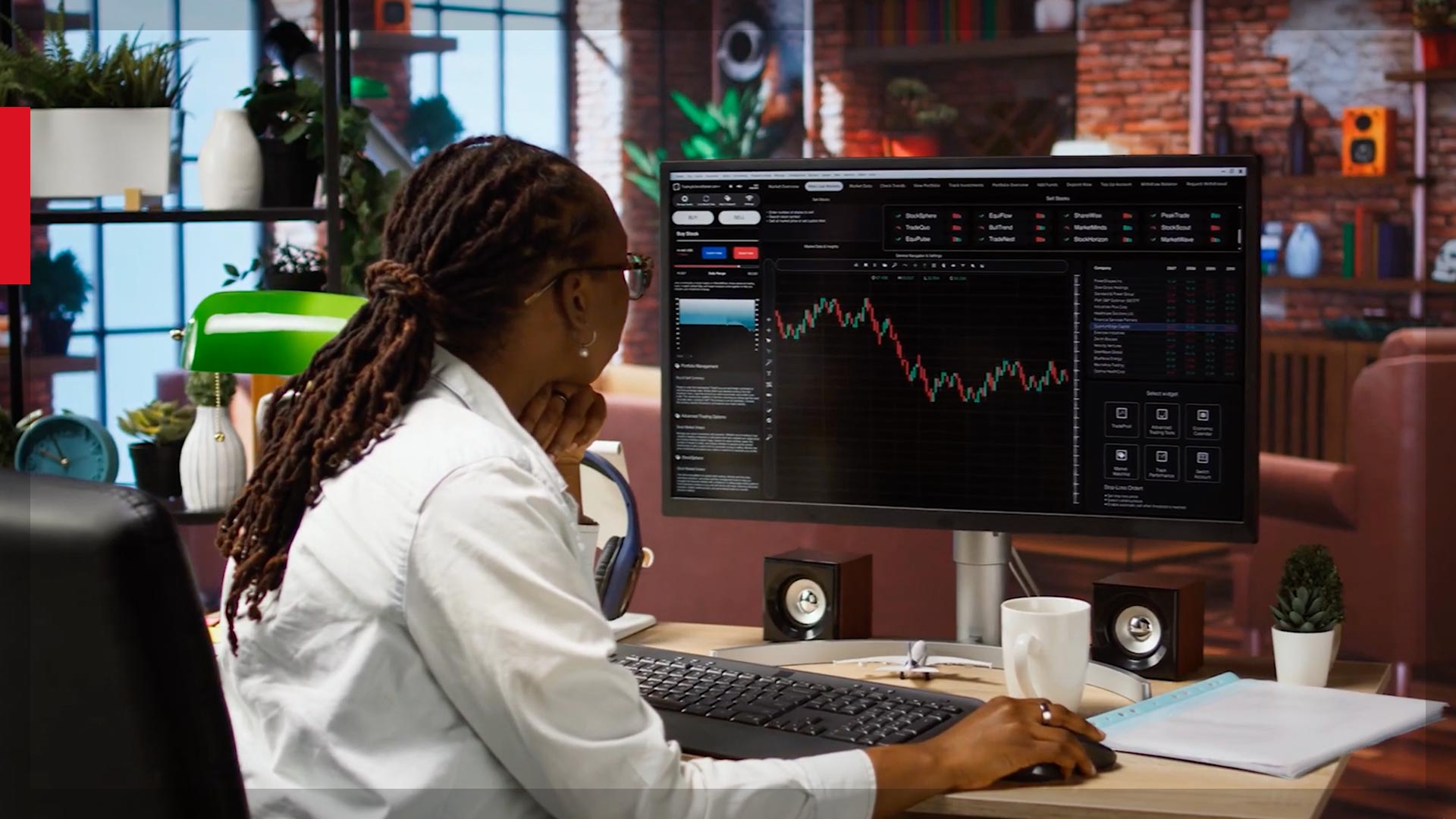
Start by selecting a platform that delivers real-time market data and supports the asset classes you plan to trade, whether stocks, options, futures, or forex. Allocate a virtual balance that mirrors the capital you'd actually deploy, not an inflated sum that encourages unrealistic position sizing. Then define clear entry and exit rules before placing your first simulated order, treating each decision as if real money were moving.
Choosing a Suitable Paper Trading Platform
Multiple established brokers and charting tools now provide advanced simulation environments that closely mimic live trading with real-time quotes, charts, and order types. Focus on platforms that support your preferred assets, include comprehensive analytical tools, and feature user-friendly interfaces to avoid frustration during early practice sessions.
Evaluate options based on factors such as data accuracy, mobile accessibility, and extra resources like news feeds or scanners that match your trading style. Selecting the right one ensures seamless practice and helps you transition smoothly later, since many allow direct upgrades to funded accounts with identical layouts.
Setting Up Your Virtual Trading Account
Begin by registering for a simulation account through your chosen provider, which typically requires only basic details and takes just minutes to activate. Allocate a realistic starting balance, such as $5,000 to $100,000, depending on your planned real-world capital, to replicate actual position sizing and risk constraints from day one.
Configure settings like margin rules, leverage limits, and order types exactly as you would in live trading to maintain authenticity. This initial setup prevents unrealistic habits and lets you immediately experience market conditions that reflect the pressures and opportunities you will face later.
Developing a Comprehensive Trading Strategy
Outline specific rules for entries, exits, stop-loss levels, and profit targets before placing any virtual trades, drawing from technical indicators, fundamental analysis, or both. Define your overall approach, such as day trading volatile stocks or swing trading trends, while incorporating strict risk management to limit losses per trade to a small percentage of your virtual portfolio.
Test variations of the strategy across different market environments, including bullish, bearish, and sideways periods, to identify what performs consistently. 90% of traders lose money in their first year, often because they skip this structured planning phase and jump straight into execution without testing their assumptions.
Executing Simulated Trades Effectively
Place orders using the full range of available types (market, limit, and stop) to experience how they behave under real-time price movements and liquidity conditions. Monitor positions actively, adjusting as needed, and treat each decision with the same seriousness as if real funds were at stake, including mentally accounting for potential slippage or commissions.
Focus on quality setups that align with your strategy rather than overtrading for the sake of activity, and simulate complete trade cycles from entry through exit and review. This disciplined execution builds muscle memory for order flow and timing, ensuring you develop habits that carry over successfully when capital is truly on the line.
Market Friction and Live Validation
Many traders discover that their paper results look strong until they factor in realistic costs and execution delays, revealing a strategy that barely breaks even once friction enters the picture.
Platforms like prop firm bridge this gap by letting you trade real accounts funded by the firm, where actual fills, slippage, and market pressure test your approach without risking personal capital. This middle path exposes weaknesses that simulation hides while building genuine confidence under live conditions.
Keeping a Detailed Trading Journal
Record every simulated trade with notes on your rationale, entry and exit prices, position size, market context, and emotional state at the time of decision. Include screenshots of charts or performance metrics to create a complete record that reveals recurring strengths, weaknesses, or biases over time.
Review the journal weekly to calculate win rates, average gains versus losses, and drawdown periods, turning raw data into actionable insights. Consistent journaling transforms practice from passive observation into an active learning process that sharpens self-awareness and refines your overall trading psychology.
But even flawless execution and meticulous records won't prepare you for the one shift that separates productive practice from wasted time.
How to Get The Most Out Of Paper Trading?
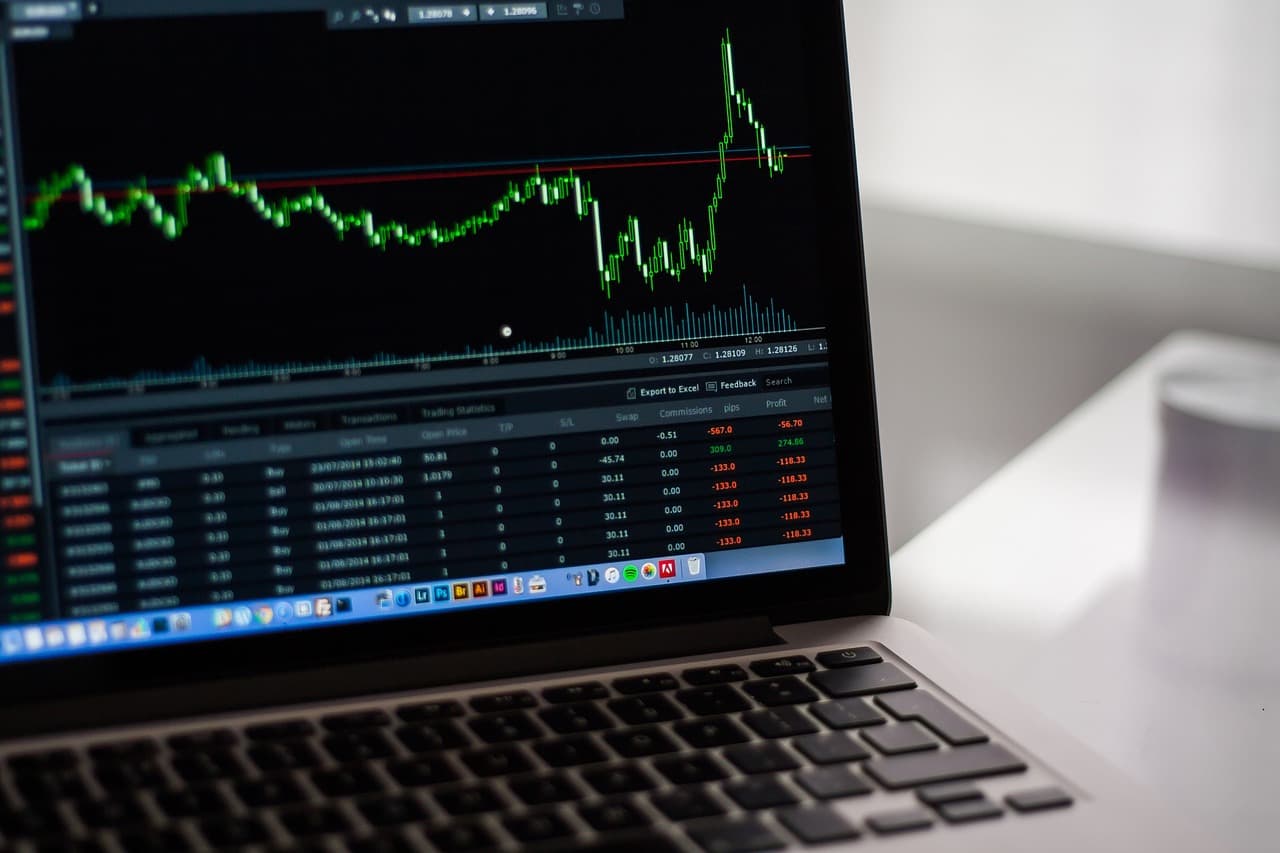
Treat paper trading as structured skill development, not casual experimentation. Define realistic scenarios that mirror market conditions you will actually face, limit tests to strategies you would implement with real capital, and collect data methodically to reveal patterns in your decision-making. This focused approach transforms simulation from a sandbox into a precision training ground, accelerating your transition to funded trading.
Steer Clear of Unrealistic Investment Scenarios
Chasing extreme volatility or low-probability setups feels tempting when virtual funds remove consequences. You might short a penny stock during a squeeze or pile into overnight options because "it's just practice." That behavior builds habits that collapse under real pressure. 90% of traders who use paper trading for at least 3 months before going live report better risk management, precisely because they practiced probable scenarios rather than lottery-ticket trades.
Focus instead on routine earnings reactions, sector rotations, or intraday breakouts that appear regularly. These common setups train you to respond thoughtfully when similar conditions arise with real capital at stake, building muscle memory that transfers directly to live performance.
Focus on Strategies You Will Actually Implement With Real Funds
Paper trading opens the door to testing dozens of approaches, but scattering effort across methods you would never use wastes time and dilutes focus. High-frequency scalping might deliver impressive simulated returns, yet if your risk tolerance or schedule cannot support that intensity live, those results mean nothing.
Stick to tactics that align with your capital, temperament, and time availability. Treating every simulated trade as if it involved your savings forces realistic position sizing, disciplined stop placement, and honest exit rules from day one. This consistency builds a personal playbook you can scale confidently when real money enters the equation, avoiding the whiplash that happens when traders abandon their plan the moment emotions spike.
Gather and Review Essential Market Data and Statistics
Simulation provides a low-pressure environment to study how assets behave across different cycles, news events, and volatility regimes. Track company performance during earnings seasons, note how indices correlate during selloffs, and log patterns in price action that inform better timing. It is recommended to use 6 and 12-month trade backtesting to capture seasonal trends and validate whether your edge persists across varying conditions.
Regular analysis of your simulated results highlights forecasting strengths and exposes execution weaknesses, turning raw trades into actionable knowledge. This systematic review process sharpens anticipation skills and builds the pattern recognition that separates consistent performers from those who struggle with unpredictability.
Master Key Order Types for Better Trade Execution
Repeated practice with market, limit, and stop orders in live conditions builds familiarity that reduces costly errors when you trade for real.
- A market order fills immediately at the current price, making it suitable when speed matters more than exact cost.
- A limit order specifies your maximum buy price or minimum sell price and executes only when the market reaches that level, offering control but with no guarantee of completion.
- A stop order sits hidden until price hits your trigger, then converts to a market order for quick execution, ideal for protecting gains or limiting losses during fast moves.
Experimenting with all three in simulation reveals their strategic impact and helps you choose the right tool for each scenario, ensuring execution becomes automatic rather than a source of hesitation under pressure.
Execution Realism and Proficiency Compression
Many traders discover that their paper results look strong until they factor in realistic costs and execution delays, revealing a strategy that barely breaks even once friction enters the picture. Prop firms bridge this gap by letting you trade real accounts funded by the firm, where actual fills, slippage, and market pressure test your approach without risking personal capital.
This middle path exposes weaknesses that simulation hides while building genuine confidence under live conditions, compressing the learning curve that separates productive practice from wasted effort.
Yet even the most disciplined simulation routine cannot unlock the one advantage that transforms paper gains into real profit.
Related Reading
- Best Free Paper Trading Platform
- How To Practice Trading Stocks
- Best Paper Trading Simulator
- How To Use Webull Paper Trading
- Best Futures Paper Trading Platform
- Best Simulated Trading Platform
- Best Trading Platform For Beginners
- Best Day Trading Simulator
Get 25-30% off Today - Sign up to Get Access to Up to $800K Today
You've built the foundation through paper trading, tracking every decision, testing strategies across different market conditions, and learning to execute without hesitation. The question now isn't whether you can trade. It's whether you're ready to prove it under conditions that actually reward performance, rather than just logging virtual wins that disappear with a reset button.
Goat Funded Trader removes the gap between simulation and your own capital by giving you access to funded accounts up to $800K, where your skills translate directly into payouts. You trade with the same discipline you practiced, but now slippage matters, fills happen in real time, and consistent performance earns you up to 100% profit splits delivered within two days.
Performance Incentives and Scaling Pathways
Over 98,000 traders have already collected more than $9.1 million because the structure rewards what you've been training for:
- Disciplined execution
- Smart risk management
- Staying calm when positions move against you
Start with instant funding for immediate access, or choose a customizable challenge that matches your trading style and lets you demonstrate consistency before scaling up. Either path keeps your personal capital safe while building the track record that separates hobbyists from professionals. Ready to turn practice into performance? Sign up today and get 25-30% off your first step toward funded trading.
Be Great and get the App