






Simulated Futures Trading: 11 Best Platforms to Practice
Practice Simulated Futures Trading risk-free with real market data and live day trading to improve your strategies and skills.


Picture this: you're eager to trade futures contracts, but the thought of risking real capital while you're still learning keeps you up at night. The **best paper trading app** becomes your training ground, a place where you can master the mechanics of buying and selling futures without the fear of losing money. This article walks you through simulated futures trading, showing you how virtual trading platforms let you practice with live market data, test different strategies, and build the confidence you need before committing actual funds.
If you're serious about developing your skills in a realistic environment, Goat Funded Trader offers a prop firm model that bridges the gap between practice and professional trading. Their platform gives you access to simulated futures markets where you can refine your approach, learn from mistakes that cost nothing, and prove your consistency before transitioning to funded accounts.
Summary
- Futures trading demands precision under leverage, and simulators let you build that skill without the financial consequences of early mistakes. You're executing real orders against live market data, managing margin requirements, and experiencing how quickly positions can move against you, all while your capital remains safe.
- Simulated profits remain worthless until you convert them into proof of skill that earns you funded capital. Most traders practice indefinitely with no clear path toward earning from their abilities, refining strategies in simulation while real earning potential remains inaccessible.
- Platform selection determines whether you build transferable skills or just develop familiarity with one company's interface. Order fills in the simulation should reflect realistic queue priority and slippage, not instant perfect fills at your limit price, regardless of market depth.
- The transition from simulation to funded accounts often exposes a hidden psychological fracture that performance metrics never capture. You can execute flawlessly with virtual money, hitting every entry and managing risk with discipline, then freeze or overtrade the moment real capital enters the equation.
- Detailed analytics separate platforms that teach from those that merely entertain. Look for metrics tracking maximum drawdown, profit factor, average win versus average loss, and consecutive losing trades, because these numbers reveal whether your edge holds across different market conditions or just got lucky during a trending week.
Goat Funded Trader converts simulation into qualification by evaluating performance under defined risk rules, then funding accounts up to $2M, where profits become actual income with splits reaching 100%.
What is Simulated Futures Trading, and How Does It Work?
Simulated futures trading, also known as paper trading or demo trading for futures, lets you place orders on live market data without risking real capital. You open a virtual account preloaded with pretend funds, execute trades on actual futures contracts like E-mini S&P 500 or crude oil, and watch your hypothetical balance rise or fall as prices move.
The platform mirrors real execution, fills, commissions, and margin calls, so you learn how futures mechanics work before putting your own money on the line.
Practice Trading Without Financial Risk
This approach serves two groups well: beginners who need to understand contract specifications and leverage without fear of losing savings, and experienced traders testing new strategies in a consequence-free environment.
90% of traders lose money in their first year, which makes the case for practice stronger than most realize. Simulation removes the sting of the financial costs while you figure out position sizing, stop placement, and how quickly a two-tick move can swing your account.
How the Mechanics Work Behind the Scenes
When you place a simulated order, the platform processes it against real-time or replayed market data. If you buy one ES contract at 4500, the system checks current liquidity, simulates queue priority, and executes your fill based on available depth.
Your virtual account updates instantly with the position, margin requirement, and unrealized profit or loss. Some platforms even replicate slippage and partial fills to reflect what happens when you trade during volatile sessions or illiquid hours.
Market Replay in Trading Simulators
Advanced simulators include market replay features that let you pause, rewind, or fast-forward through historical price action. You can practice the same trading day repeatedly, testing different entry points or stop strategies until you understand why one approach worked, and another didn't. This level of control doesn't exist in live markets, where every decision is final and expensive mistakes compound quickly.
What You Gain Beyond Basic Practice
Simulated futures trading builds familiarity with platform interfaces, DOM ladders, chart packages, and order routing, so you're not fumbling through menus when volatility spikes. You learn how tick values translate into dollar risk, how margin calls trigger when positions move against you, and how rolling contracts forward affects your open trades.
Many platforms also track performance metrics such as win rate, average profit per trade, and maximum drawdown, giving you a clear picture of whether your strategy holds up over dozens of trades or was just lucky twice.
Sim vs. Live Trading Gap
The psychological gap between simulation and live trading remains real. Emotional factors like fear of loss or the thrill of gains don't surface when the money isn't yours, which can lead to overconfidence or reckless position sizing that wouldn't survive contact with real capital.
A common pattern emerges. Traders perform well in simulation, then freeze or overtrade when real money enters the equation. Savvy users treat simulated accounts with the same discipline they'd apply to funded capital, setting strict rules around risk per trade and daily loss limits to build habits that transfer.
Where Simulation Becomes More Than Preparation
Prop firms like Goat Funded Trader turn simulated trading into a pathway toward real profits. Instead of practicing indefinitely with no stakes, you prove consistency in a simulated evaluation, then transition to a funded account where your performance earns actual payouts. The simulation phase isn't just rehearsal, it's an audition.
You're demonstrating that you can manage risk, follow rules, and generate returns without blowing up an account, and if you pass, you're trading capital you didn't have to save or borrow. This model removes the traditional barrier between skill and earning potential, letting traders who can perform access up to $2M in buying power without risking personal savings.
Related Reading
- Best Paper Trading App
- What Is Paper Trading
- Simulated Stock Trading
- Practice Crypto Trading With Fake Money
- Does Robinhood Have Paper Trading
- Where To Practice Day Trading
- Futures Paper Trading
- Simulated Day Trading
Why Practice Futures Trading Using Simulators?
Futures trading demands precision under pressure, and simulators let you build that skill without the financial consequences of early mistakes. You're executing real orders against live market data, managing margin requirements, and experiencing the speed at which positions can move against you, all while your capital remains safe.
This isn't a theoretical study; it's a hands-on rehearsal that compresses months of learning into focused practice sessions, where every error becomes a lesson rather than a loss.
Accelerating Skill Development Without Capital Risk
Futures contracts amplify small price movements through leverage, which means a single misjudged entry can erase weeks of gains in minutes. Simulators replicate this volatility using actual exchange data from CME Group and other major venues, letting you navigate fast-moving markets without the fear that freezes decision-making when real money is at stake.
You learn how tick values translate into dollar swings, how quickly margin calls trigger during adverse moves, and how to size positions so one bad trade doesn't end your session. The emotional distance from real capital lets you focus purely on mechanics, such as order types, stop placement, contract specifications, and the rhythm of opening and closing sessions across different instruments, such as crude oil or E-mini Nasdaq.
Mastering Markets Through Repetition
Repetition builds muscle memory. You can trade the same volatile session repeatedly using market replay features, testing different entry points or adjusting stops until you understand why one approach worked, and another failed.
This level of iteration doesn't exist in live markets, where every decision is final and expensive mistakes compound quickly. By the time you transition to funded accounts, the platform interface feels familiar, your risk calculations are automatic, and you've already survived dozens of simulated drawdowns that would have wiped out underprepared traders.
Refining Strategy Through Consequence-Free Testing
A profitable futures strategy requires validation across trending markets, choppy ranges, and low-liquidity overnight sessions. Simulators let you apply technical indicators, test entry signals, and measure performance metrics like win rate and maximum drawdown without spending capital on trial-and-error losses.
You can isolate specific setups, such as opening-range breakouts in equity index futures or momentum reversals in energy contracts, and track whether your edge holds up over hundreds of trades or just got lucky twice. This data-driven process reveals the true expectancy of your approach before real money enters the equation.
Continuous Improvement with Market Replay
The ability to pause, analyze, and adjust mid-session transforms how quickly you improve. If a stop placement consistently gets triggered before a winning move, you can rewind, widen the buffer, and see if the adjustment improves your risk-reward ratio without waiting for the same setup to appear days later in live markets.
Many professionals continue running simulator sessions alongside funded accounts to test new ideas or regain rhythm after challenging periods, treating practice as ongoing preparation rather than a one-time phase.
Building Discipline That Survives Real Market Pressure
Even the best strategies falter when emotions like fear or greed interfere with execution. Simulators recreate the psychological pressure of live trading by tracking virtual profit and loss in real time, training you to follow predefined rules during winning streaks and losing periods alike.
Treating simulated capital with the same seriousness as real money fosters patience and prevents impulsive decisions that destroy accounts. Over time, you recognize and counteract common emotional pitfalls, such as overtrading after a loss, chasing momentum without confirmation, or abandoning your plan when a position moves against you.
Bridging the Simulation-to-Live Trading Gap
The transition from simulation to live trading often exposes a hidden gap. 90% of traders lose money, and many of those failures stem from emotional breakdowns rather than flawed strategies.
Traders who perform well in simulation sometimes freeze or overtrade when real capital is at risk, because the stakes suddenly feel different. The solution isn't more practice; it's treating simulated trades with the discipline you'd apply to funded capital, setting strict rules around risk per trade and daily loss limits so the habits you build transfer seamlessly.
Can You Make a Profit From Simulated Futures Trading?

Many people assume simulated futures trading is just “practice” with no real financial upside, but that's only half true. While simulated accounts do not generate direct profits, industry data shows that a large number of funded trader programs now use simulation-based evaluations to identify skilled traders before allocating real capital.
Proprietary trading models have grown rapidly in recent years, estimated at $6.7 billion globally in 2020 and projected to expand at a compound annual growth rate (CAGR) of 4.2% from 2021 to 2028, with firms offering funded accounts to traders who prove consistency in simulated environments. This means the real opportunity is not in the simulation itself, but in what it can unlock if used correctly.
The Gateway Model That Changes Everything
Traditional paths to futures trading demand substantial personal capital and the stomach for risk while learning. Most traders drain their savings before they figure out position sizing or stop placement. Prop firms restructured that equation by turning simulation into an audition.
You trade virtual capital under defined risk parameters, demonstrate you can follow rules and generate returns without catastrophic drawdowns, and if you pass, you're managing accounts worth up to $2M with profit splits that let you keep up to 100% of what you earn. The simulation phase isn't practice anymore. It's the evaluation that unlocks funding you didn't need to save or borrow, removing the barrier between skill and earning potential for traders who can perform under observation.
Why Emotional Gaps Still Destroy Traders
The transition from simulation to funded accounts exposes a psychological fracture that performance metrics never capture. You can execute flawlessly with virtual money, hitting every entry and managing risk with discipline, then freeze or overtrade the moment real capital enters the equation. 90% of traders lose money, and the failure point usually isn't the strategy.
It's the emotional breakdown when fear or greed overrides your plan. Treating simulated trades with the same seriousness as funded capital builds habits that transfer. Set strict rules around risk per trade and daily loss limits during simulation, so your brain learns discipline before stakes rise.
How Performance Data Reveals What You Can't Feel
Most platforms track win rate, average profit per trade, maximum drawdown, and other metrics to show whether your approach holds up across dozens of executions or was just lucky twice. This data-driven feedback loop matters because emotional memory distorts reality. You remember the big wins and forget the string of small losses that eroded your account.
Reviewing objective performance reveals patterns you wouldn't notice otherwise. Stops placed too tight, position sizes that spike risk during volatility, or setups that work in trending markets but fail during choppy sessions. The ability to iterate based on measurable outcomes rather than gut feel separates traders who improve from those who repeat the same mistakes with real money.
Where Simulation Stops and Real Execution Begins
Simulated environments replicate order flow and market data, but they can't fully recreate slippage, liquidity gaps, or the psychological weight of watching real capital swing against you. Success in simulation doesn't guarantee success in funded accounts because the emotional pressure changes everything.
You're no longer practicing; you're performing under observation with actual profit potential and the risk of losing access if you violate rules. The traders who succeed treat simulation as preparation for that pressure, not as a separate activity. They practice the same discipline, follow the same risk limits, and build the same habits they'll need when the money becomes real.
The Path From Virtual Gains to Actual Income
Simulated profits remain worthless until you convert them into proof of skill that earns you funded capital. That conversion happens through evaluation programs where consistency, risk management, and rule adherence matter more than raw profit. Once funded, your performance generates real payouts based on the profit splits your firm offers, turning the discipline you built in simulation into income.
The knowledge, habits, and emotional control you develop while trading virtual money become the foundation for earning from futures markets without risking personal savings. Simulation isn't the endpoint. It's the audition that determines whether you get access to the stage.
Related Reading
- Day Trading Paper Trading
- Crypto Paper Trading
- Paper Trading For Beginners
- TradingView Paper Trading Demo Account How To Use
- How To Practice Paper Trading
- How To Do Paper Trading
- Best Demo Trading App
- Best Demo Trading Platform
11 Best Platforms to Practice Simulated Futures Trading
Choosing the right platform shapes how quickly you develop real trading skills versus just clicking buttons in a consequence-free sandbox. The best simulators replicate actual market conditions with realistic order execution, accurate margin calculations, and live data feeds that mirror what you'll face when capital becomes real.
The eleven platforms below represent different approaches to simulated futures trading, each serving specific needs depending on whether you're building foundational skills, testing complex strategies, or preparing to qualify for real capital allocation.
1. Goat Funded Trader

Goat Funded Trader is not a traditional simulated trading platform; it is a proprietary trading firm that uses simulated environments as a gateway to real earning opportunities. Instead of just practicing trades, users go through an evaluation process and, once successful, gain access to simulated funded accounts with virtual capital that mirrors real market conditions. The key difference is that while the trading happens in a simulated environment, traders can earn real rewards based on their performance, making it highly relevant for anyone serious about simulated futures trading.
Key Features
- Access to simulated funded accounts with virtual capital that mirrors real market conditions
- Ability to scale trading capital up to $2 million
- Up to 100% profit split, allowing traders to keep most or all of their earnings
- Multiple evaluation models (1-step, 2-step, 3-step, and instant funding options)
- No time limits on many trading challenges, reducing pressure on traders
- Bi-weekly payouts with options for faster reward withdrawals
- Average payouts reported to traders, with millions already distributed
- Low drawdown rules (e.g., daily and maximum loss limits) to enforce discipline
- Support for popular platforms like MetaTrader 5 and others
- News trading and weekend holding are allowed, offering flexibility
- Leverage up to 1:100 for enhanced trading opportunities
- Global access, with traders participating from over 180 countries
- In-house trading dashboard and analytics tools for performance tracking
- 24/7 customer support and educational resources
- An evaluation-based model that allows traders to prove skills before earning
2. NinjaTrader

NinjaTrader is one of the most popular platforms for simulated futures trading, especially among serious traders. It offers a highly realistic trading environment with tools designed for both beginners and advanced users. Its simulation engine closely mirrors real market conditions, making it ideal for strategy testing and skill development. The platform is particularly strong in backtesting and market replay, allowing traders to practice using historical data as if it were happening live. This makes it easier to refine strategies and prepare for real trading scenarios.
Key Features
- Free simulated trading environment
- Market Replay for historical data practice
- Advanced charting with 100+ indicators
- Strategy backtesting and optimization tools
- Real-time and simulated data feeds
- Customizable interface and add-ons
- Risk-free practice with no minimum deposit
3. Thinkorswim (by Charles Schwab)
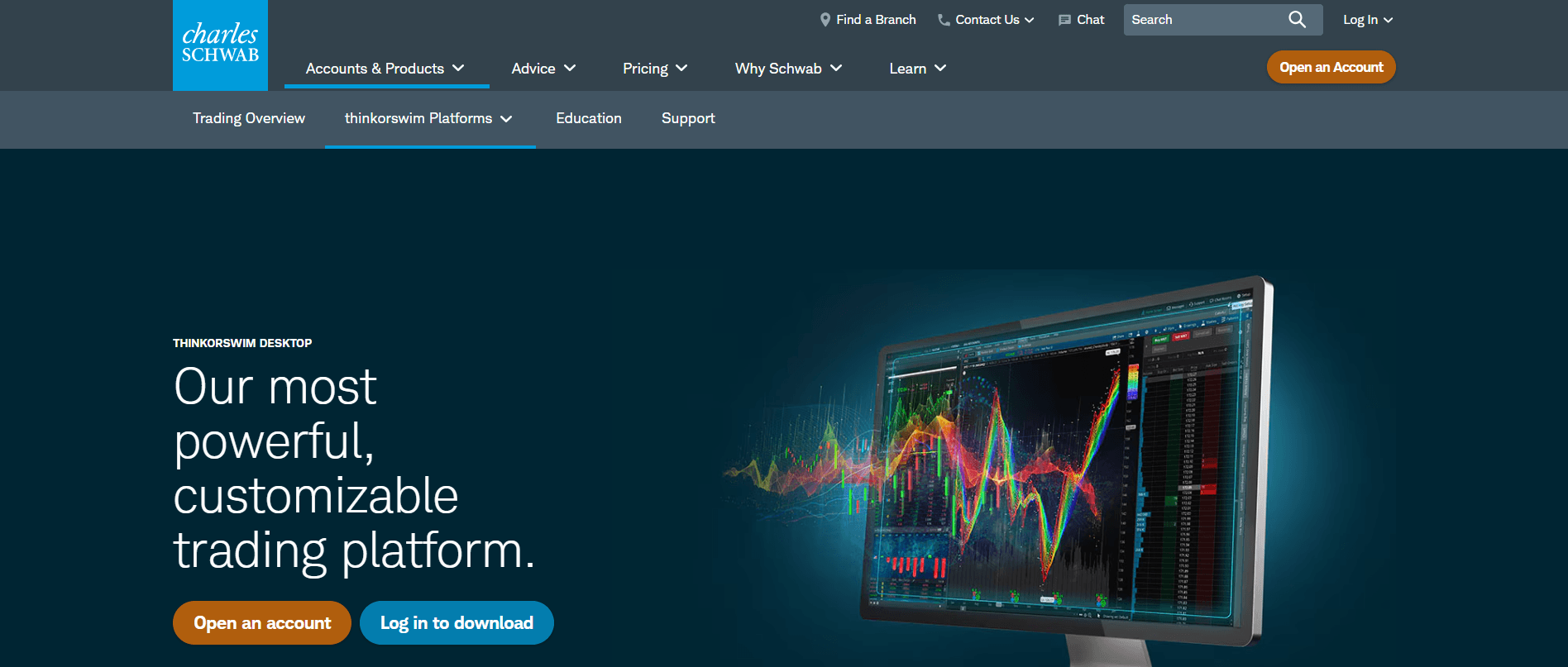
Thinkorswim is widely regarded as one of the most advanced trading simulators available today. Its paperMoney feature allows users to simulate futures trading with real-time data and professional-grade tools. It is especially useful for traders who want deep technical analysis. With hundreds of indicators and advanced charting tools, Thinkorswim provides a comprehensive environment for testing complex trading strategies.
Key Features
- Simulator with virtual funds
- Real-time market data and execution
- Over 300 technical indicators
- Advanced charting and analysis tools
- Multi-asset support, including futures
- Customizable trading interface
- Integrated news and market insights
4. Tradovate
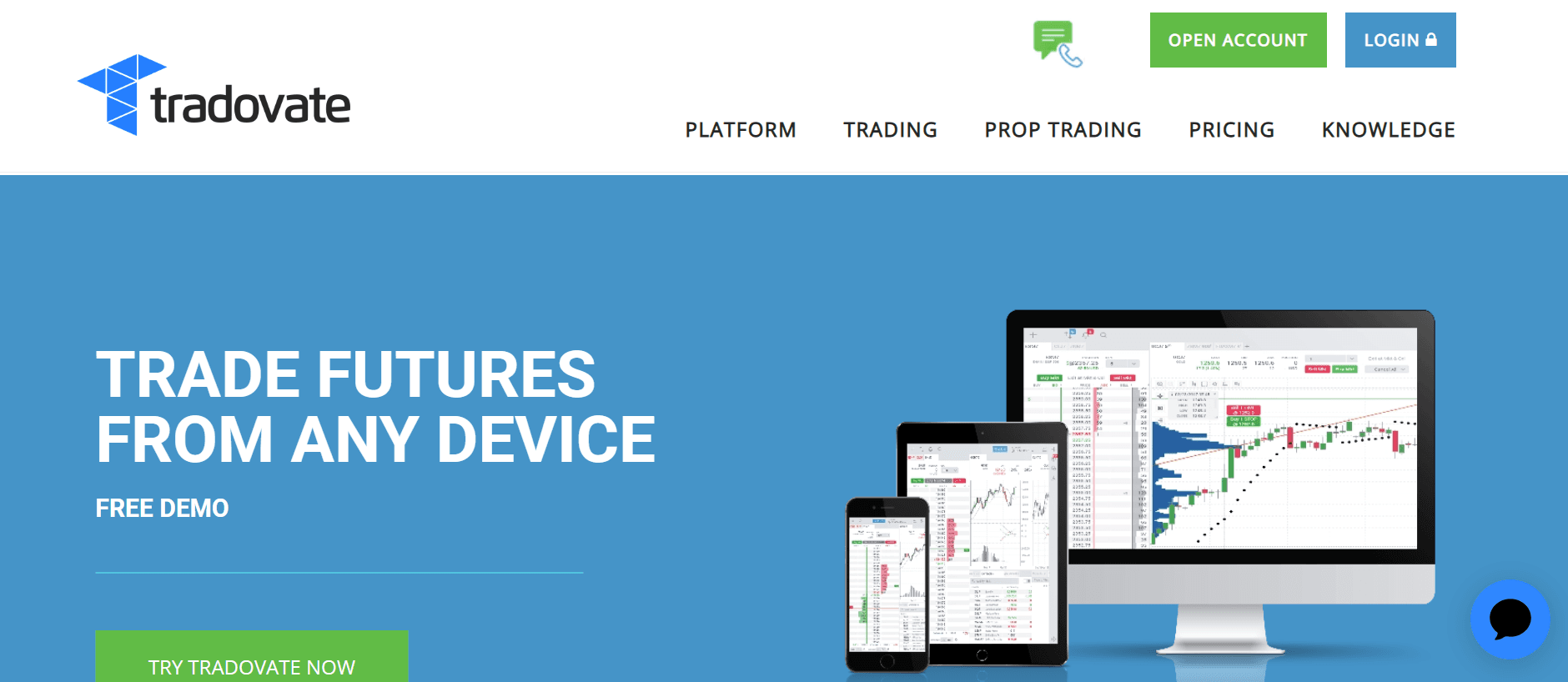
Tradovate is a modern, cloud-based platform designed specifically for futures trading. Its simulation environment is easy to access and does not require heavy software installation, making it ideal for beginners and mobile users. The platform provides access to a wide range of futures markets, including CME products, allowing traders to practice across different asset classes. Its clean interface and flexibility make it a strong choice for those looking for simplicity without sacrificing functionality.
Key Features
- Cloud-based trading platform
- Access to CME, CBOT, NYMEX, and COMEX markets
- Supports futures and options on futures
- Spread trading and advanced order types
- Real-time simulation environment
- Cross-device compatibility (desktop, web, mobile)
- User-friendly interface for beginners
5. CME Group Trading Simulator

The CME Group simulator is an official tool designed to help traders understand futures markets directly from the source. It offers a structured environment with real market data across major asset classes. This platform is particularly useful for learning contract specifications and market behavior. Because it is backed by CME, it offers a reliable, educational experience for traders at all levels.
Key Features
- Access to major futures asset classes
- Real market data simulation
- Supports standard, E-mini, and Micro contracts
- Options on futures trading
- Educational tools and structured learning
- Realistic order execution environment
- Market depth and pricing tools
6. TradeStation

TradeStation is a powerful platform known for its automation and backtesting capabilities. It allows traders to simulate futures trading while also developing and testing automated strategies. It is especially useful for traders interested in algorithmic trading. With its scripting language and advanced analytics, TradeStation enables users to create and refine complex trading systems.
Key Features
- Advanced backtesting with historical data
- Automated trading strategy development
- Custom scripting (EasyLanguage)
- Real-time simulation tools
- Detailed performance analytics
- Customizable trading environment
- Multi-asset trading support, including futures
7. MetaTrader 5 (MT5)

MetaTrader 5 is a globally recognized trading platform that supports simulated trading across multiple asset classes, including futures, through brokers that offer them. It is widely used for its flexibility, robust analytical tools, and automated trading capabilities. The platform is especially valuable for traders who want to combine manual and algorithmic strategies. It's built-in strategy tester allows users to simulate trades using historical data, making it a solid choice for refining futures trading techniques.
Key Features
- Built-in strategy tester for backtesting
- Support for automated trading (Expert Advisors)
- Advanced charting with multiple timeframes
- Economic calendar integration
- Multi-asset trading, including futures (via brokers)
- Custom indicators and scripts
- Desktop, web, and mobile compatibility
8. TradingView (Paper Trading)
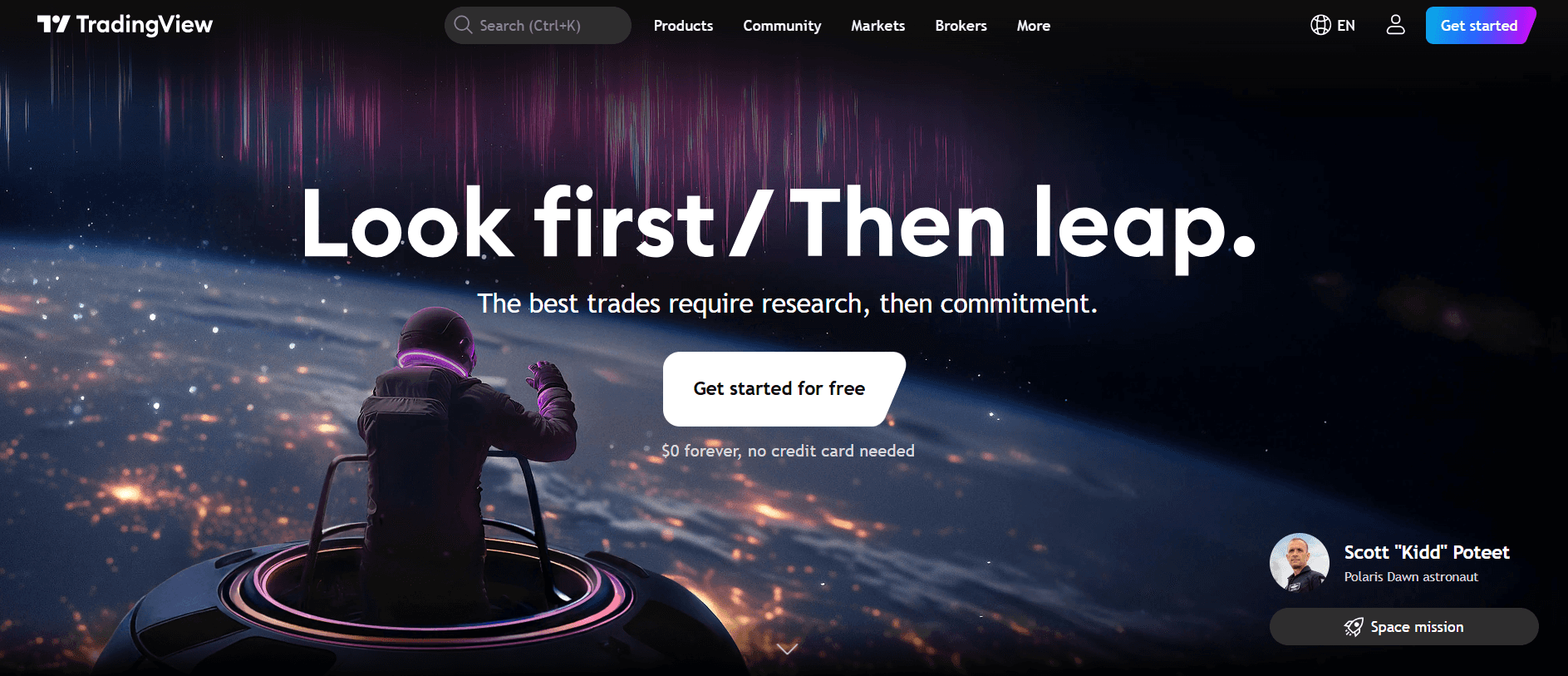
TradingView is best known for its powerful charting tools, but it also offers a paper-trading feature that lets users simulate trades directly from charts. It is ideal for traders who rely heavily on technical analysis. Its social trading aspect also sets it apart. Users can share ideas, learn from others, and test strategies in a simulated environment, making it both a learning and practice platform.
Key Features
- Paper trading directly from charts
- Advanced and interactive charting tools
- Large library of technical indicators
- Social trading and idea sharing
- Cloud-based platform with no installation
- Real-time data (depending on subscription)
- Custom scripts using Pine Script
9. Interactive Brokers (IBKR Paper Trading)
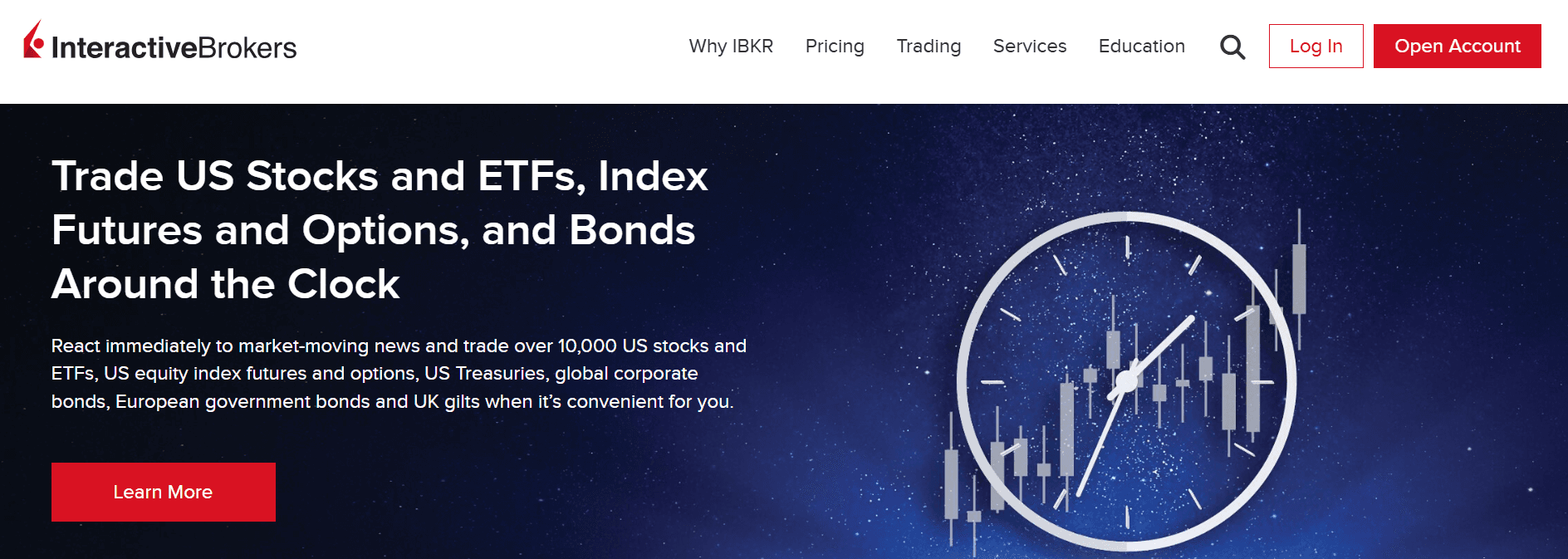
Interactive Brokers offers a robust paper trading account that mirrors its live trading environment. It is suitable for traders who want a professional-grade platform with access to global futures markets. The simulation environment is highly realistic, providing accurate pricing and execution conditions. This makes it a great option for traders preparing to transition into live trading with real capital.
Key Features
- Paper trading with real market conditions
- Access to global futures exchanges
- Advanced order types and execution tools
- Comprehensive risk management features
- Detailed performance and analytics reports
- Professional-grade trading interface
- Multi-asset support
10. Sierra Chart
Sierra Chart is a highly customizable platform known for its speed and precision. It offers simulated futures trading with a focus on detailed charting and order flow analysis. This platform is particularly popular among advanced traders who want deeper insights into market behavior. Its simulation tools enable detailed practice with both real-time and historical data.
Key Features
- High-performance charting engine
- Advanced order flow and volume analysis
- Simulated trading with real-time data
- Extensive customization options
- Low-latency execution environment
- Market depth visualization
- Support for multiple data feeds
11. ProRealTime

ProRealTime is a web-based trading platform that offers simulation tools alongside advanced charting and automated trading features. It is widely used in Europe but accessible globally. Its clean interface and powerful analysis tools make it a great choice for traders who want a balance between simplicity and functionality. The platform also supports strategy development and backtesting.
Key Features
- Web-based simulated trading environment
- Advanced charting with customizable indicators
- Automated trading and backtesting tools
- Clean and user-friendly interface
- Real-time and end-of-day data options
- Strategy builder for algorithmic trading
- Cross-device accessibility
How to Get Started With Simulated Futures Trading

Start by selecting a platform that provides real-time market data and a virtual account preloaded with hypothetical capital. Create an account through their website, verify your email, and log in to the simulation environment. Most platforms grant immediate access without requiring deposits or approval processes, letting you begin placing orders within minutes of registration.
Confirming Platform Compatibility Before You Commit
Check whether the simulator runs on your operating system and browser before investing time in setup. Some platforms require desktop installations with specific hardware requirements, while others operate entirely through web browsers accessible from any device. Test the demo during active market hours to confirm that data feeds load without lag and order execution responds instantly.
Most platforms provide $50,000 in simulated capital by default, but you can often adjust starting balances to match realistic account sizes you'd eventually fund. This customization matters because practicing with $500,000 when you plan to trade $10,000 live creates unrealistic position-sizing habits that won't transfer to live trading.
Configuring Account Settings to Mirror Real Conditions
Adjust commission structures, margin requirements, and slippage assumptions to reflect what your eventual broker charges. Default settings often ignore transaction costs or use outdated fee schedules, making strategies appear more profitable than they'll prove in live markets.
Set your virtual account to deduct realistic commissions per contract and apply margin rules that match CME exchange requirements for the instruments you're trading. Minor miscalculations in contract specifications, such as tick value or margin per lot, lead to position sizes that either waste buying power or trigger unexpected margin calls when volatility spikes.
Navigating the Interface Without Drowning in Features
Spend your first session exploring chart layouts, order entry panels, and account dashboards without placing trades. Locate where filled orders appear, how to monitor unrealized profit and loss, and where stop-loss modifications get processed.
Most platforms offer customizable workspaces that let you arrange tools based on your workflow, whether you prioritize DOM ladders for scalping or multi-timeframe charts for swing setups. The goal isn't mastering every feature immediately. It's building enough familiarity that you can execute a basic trade without hunting through menus when price action accelerates.
Executing Your First Trades With Intentional Risk
Place small test orders on liquid contracts like E-mini S&P 500 or Micro futures to observe how the platform handles fills, calculates margin impact, and updates position values as prices tick.
Use limit orders initially to control entry prices, rather than market orders, which may trigger unrealistic fills during fast markets. Practice setting bracket orders that automatically place stop-loss and profit target levels when your entry fills, training yourself to define risk before the trade goes live.
Treating Virtual Capital Like It's Already Yours
Apply the same risk limits you'd use with real money, even though losses cost nothing right now. Risk no more than one or two percent of your virtual account per trade and enforce daily loss limits that force you to stop when drawdowns exceed predefined thresholds.
This discipline feels unnecessary when the stakes are imaginary, but the habits you build now determine whether you freeze or overtrade when funded capital enters the equation. Emotional patterns form during simulation, and breaking reckless behaviors after they've calcified takes far longer than preventing them from the start.
Related Reading
- Best Free Paper Trading Platform
- How To Practice Trading Stocks
- Best Paper Trading Simulator
- How To Use Webull Paper Trading
- Best Futures Paper Trading Platform
- Best Simulated Trading Platform
- Best Trading Platform For Beginners
- Best Day Trading Simulator
How to Choose the Best Platform for Simulated Futures Trading

Platform selection determines whether you build transferable skills or just develop familiarity with one company's interface. The right simulator replicates order execution speed, margin calculations, and data quality you'll encounter when capital becomes real, while the wrong one teaches habits that crumble under live market pressure.
Focus on platforms that mirror actual trading conditions rather than those offering the most indicators or prettiest charts, because fluency with tools that don't exist in funded accounts wastes every hour you spend practicing.
Execution Quality Reveals Platform Integrity
Order fills in the simulation should reflect realistic queue priority and slippage, not instant perfect fills at your limit price, regardless of market depth. Test how the platform handles fast-moving markets by placing orders during volatile sessions, such as economic releases or opening ranges.
If every order fills immediately at your exact price while the DOM shows thin liquidity, you're practicing in a fantasy environment that will betray you when real capital enters the equation. Platforms using actual exchange data feeds from CME Group or ICE process orders against live market depth, teaching you how liquidity gaps affect execution quality during the sessions that matter most.
Data Latency Shapes Decision Speed
Real-time data versus delayed feeds changes everything about how you read momentum and time entries. A five-minute delay might seem trivial until you're scalping ES contracts where edge exists for seconds, not minutes. Verify whether the platform streams live tick data or batches updates, because practicing with stale information builds timing instincts that fail when you transition to funded accounts.
Most professional-grade simulators provide direct exchange feeds with sub-second latency, letting you experience the actual pace of futures markets rather than a sanitized replay that smooths over the chaos.
Risk Controls That Transfer to Funded Trading
Platforms worth using enforce margin requirements, calculate buying power accurately, and trigger liquidations when positions exceed available capital. This discipline feels restrictive during practice. 90% of traders lose money, often because they never learned position sizing under realistic constraints.
Test whether the simulator applies initial and maintenance margins correctly across different contract types, because miscalculations here can lead to overleveraged positions that survive in simulation but explode in live markets. The friction you encounter in managing risk now prevents catastrophic failures later.
Performance Tracking Beyond Win Rate
Detailed analytics separate platforms that teach from those that merely entertain. Look for metrics tracking maximum drawdown, profit factor, average win versus average loss, and consecutive losing trades, because these numbers reveal whether your edge holds across different market conditions or just got lucky during a trending week.
Most traders practice indefinitely because they lack objective feedback showing whether they're improving or repeating the same mistakes with slight variations. Platforms offering equity curves, trade journals, and filtered performance reports by instrument or time period let you identify patterns you wouldn't notice through emotional memory alone.
Get 25-30% off Today - Sign up to Get Access to Up to $800K Today
Most platforms offer virtual accounts with limits that don't reflect real market conditions. That's where Goat Funded Trader stands out. Instead of just paper trading, Goat Funded Trader provides simulated funded accounts up to $800K, letting you trade with realistic capital and the industry's most trader-friendly conditions. There are no minimum targets, no time limits, and you can even benefit from triple paydays with up to 100% profit split, making your practice directly relevant to real trading outcomes.
Turning Skills into Real Opportunities
With over 98,000 traders already earning more than $9.1 million in rewards, Goat Funded Trader doesn't just let you practice; it helps you turn skill into real opportunities. You can choose your path to funding with customizable evaluation challenges or skip ahead with instant funding. And with the 2-day payment guarantee backed by a $500 penalty for delays, you can focus on honing your trading strategies without worrying about payout issues.
Sign up to get access to up to $800K Today and take advantage of 25-30% off. Stop limiting yourself to standard simulators. Practice smart, trade realistically, and prepare to earn with Goat Funded Trader.
Be Great and get the App