






What Is Spot Trading in Crypto and How Does It Work?
What Is Spot Trading in Crypto? Goat Funded Trader explains how spot trading works, key strategies, and profit potential for beginners and pros.


Spot trading allows traders to purchase actual cryptocurrencies like Bitcoin and Ethereum at current market prices, own them outright, and sell when prices rise without the constant fear of forced liquidation that plagues leveraged trading. Unlike borrowed-fund strategies that can amplify devastating losses, spot trading provides a foundation for smart crypto investing, where traders control real assets. Modern tools and learning how to use AI for crypto trading can help traders make better buying and selling decisions in the spot market.
Many traders struggle with limited capital to truly capitalize on spot trading opportunities, despite understanding the mechanics. Qualified traders can access substantial capital to execute spot trades and other strategies through a prop firm, allowing them to demonstrate skills in real market conditions while the firm absorbs initial risk.
Summary
- Spot trading caps your downside to the capital you commit, removes liquidation risk, and gives you full ownership of the asset without forced exits amid routine volatility. According to TRM Labs' 2025 Crypto Adoption and Stablecoin Usage Report, stablecoins surpassed USD 4 trillion in volume, reflecting massive participation in spot markets where traders preserve value between trades without leverage. Buy-and-hold strategies lead at 54% adoption among retail investors, followed by savings plans at 50%, while day trading declines. This shift highlights how spot ownership supports patient accumulation that outperforms reactive leveraged bets over time.
- Coin Bureau reports that 90% of traders lose money, often because emotional decisions override strategy when stakes feel too high. Spot trading with personal capital creates psychological friction that distorts decision-making. You hold losing positions too long, hoping to avoid realizing a loss from money you earned at your job, or exit winners prematurely to lock in gains before volatility erases them. Every price swing feels personal because it is, creating a cycle where fear clouds judgment and prevents consistent execution.
- Position sizing discipline determines survival in volatile markets more than entry timing or technical analysis. Risk management experts recommend limiting exposure to 1-2% of the total portfolio per trade, ensuring that even five consecutive losses leave 90% of your capital intact for future opportunities. Traders who skip this calculation and size positions based on conviction rather than mathematics turn controlled risks into account-damaging losses that could have funded three more properly sized attempts.
- Most funding structures impose time limits, weekend restrictions, or news trading bans that clash with 24/7 crypto spot markets. You spot a setup on Saturday night but can't act because evaluation windows close, or you avoid trading during Federal Reserve announcements even though Bitcoin often moves decisively during those events. These arbitrary rules create friction between strategy and execution, forcing traders to choose between following their plan and staying compliant with platform restrictions.
- The real constraint for most traders isn't strategy or discipline. It's capital. Spot trading with your own money limits position size and forces you to choose between risking personal funds or staying small. A $5,000 account might generate $200 on a solid Bitcoin entry, barely enough to justify the research and execution time, while the same percentage move on a larger account produces substantially different results without requiring any change in risk management or technical approach.
- Goat Funded Trader provides simulated trading accounts with up to $2 million in capital, allowing traders to execute spot strategies using the firm's resources while keeping up to 100% of profits with on-demand withdrawals and facing zero personal liability for losses within defined parameters like a 3% maximum daily loss and 6% overall drawdown.
What Is Spot Trading in Crypto and How Does It Work?
Spot trading means buying or selling cryptocurrency at its current market price with immediate settlement. You exchange money for Bitcoin, Ethereum, or another token at the displayed price, and the coins transfer to your account within seconds. You own what you buy outright: no contracts, no borrowed capital, no future settlement dates. You can move, hold, or sell it whenever you want.

🎯 Key Point: Spot trading is the simplest form of crypto trading—you pay the current price and get instant ownership of your digital assets.
"Spot markets account for the majority of cryptocurrency trading volume, representing the true market value of digital assets at any given moment." — CoinMarketCap Research, 2024

💡 Example: If Bitcoin is trading at $45,000 and you have $1,000, you can buy 0.022 BTC immediately. The transaction settles instantly, and you fully own that Bitcoin to store in your wallet or trade later.
The Mechanics Behind Every Spot Trade
When you open a spot trade, you select a trading pair like BTC/USDT and place either a market order (executes immediately at the best available price) or a limit order (waits until the market reaches your specified rate). The exchange's matching engine searches the order book and pairs your request with someone willing to take the opposite side. Once matched, the system transfers the cryptocurrency to your wallet and debits your account simultaneously. This happens 24/7 in crypto markets, driven by live supply and demand with no middleman slowing settlement.
Why Spot Trading Differs From Derivatives
Spot trading gives you the actual asset, not a contract predicting its future value. Futures and options let you speculate on price direction without taking delivery, but they introduce leverage, expiration dates, funding fees, and liquidation risks that can wipe out your position if the market moves against you. Spot keeps outcomes tied directly to the asset's performance: if Bitcoin rises 10%, your holdings rise 10%. If it falls, you still own the coins and can wait for recovery. There's no forced closure, margin call, or ongoing cost beyond the initial purchase. This makes spot trading the foundation for building a crypto portfolio through direct ownership rather than speculation.
What are the key benefits of asset ownership in spot trading
Full ownership means you control the private keys, transfer tokens to external wallets, stake them for yield, or use them in decentralized applications. You avoid hidden costs, such as overnight funding rates or rollover fees, that accumulate over time. Liquidity on major pairs such as BTC/USD or ETH/USDT supports fast entries and exits. You buy, hold, and sell when ready, a clarity that aligns with accumulation strategies focused on building positions over time.
How can funded trading accounts amplify what spot trading is in crypto strategies?
Many traders master the basics of spot trading and seek to scale their strategies without risking personal capital. Platforms like Goat Funded Trader provide practice trading accounts with up to $2 million in capital, allowing you to execute spot trades using the firm's funds. You demonstrate skill in real market conditions, the firm assumes downside risk, and you retain a share of profits. This model eliminates capital constraints while you focus on execution and discipline.
Managing Risk in Volatile Markets
Crypto prices move fast, so successful spot traders use only money they can afford to lose and spread it across multiple assets rather than concentrating on one token. They monitor market sentiment, regulatory news, and technical levels to inform their buy and sell decisions.
Keeping your holdings safe through hardware wallets or exchange vaults with two-factor authentication protects against hacks and phishing. Staying informed about exchange policies, withdrawal limits, and market trends helps prevent surprises during liquidity shifts. This disciplined approach converts volatility into calculated opportunities while safeguarding your money. But owning the asset is only half the equation; the other half is knowing which assets actually trade well and why some pairs move faster than others.
Related Reading
- How to Use AI for Crypto Trading
- What Are Crypto Trading Signals
- How Long Does It Take To Learn Forex Trading
- Is Paper Trading Real Money
- Emotional Trading Mistakes
- Common Mistakes in Stock Trading
- Crypto Trading Mistakes
- Forward Testing Trading
- Paper Trading vs Live Trading
- Risk Reward Ratio Trading
What Assets Can You Buy and Sell Through Spot Trading?
Spot markets give you access to thousands of digital assets: well-known cryptocurrencies like Bitcoin and Ethereum, stablecoins tied to regular money, altcoins with specialized uses, and new tokens representing decentralized finance protocols or real-world assets tokenized. You own the asset immediately when your order executes, and your choices expand as exchanges add new projects meeting their listing requirements.

🎯 Key Point: Spot trading offers immediate ownership of your chosen assets, unlike futures or derivatives, where you're trading contracts. This makes it the preferred method for long-term investors and those building crypto portfolios.
"Spot markets provide access to over 10,000 different cryptocurrencies across major exchanges, with new tokens being listed regularly as the ecosystem expands." — CoinMarketCap Data, 2024

Crypto Asset Categories
- Major Cryptocurrencies
- Examples: Bitcoin, Ethereum, BNB
- Key features: High liquidity, large market capitalization, established market presence
- Stablecoins
- Examples: Tether, USD Coin, Binance USD
- Key features: Pegged to fiat currencies, reduced volatility, commonly used for trading and transfers
- Altcoins
- Examples: Cardano, Solana, Polygon
- Key features: Specialized use cases, ecosystem growth, emerging technologies
- DeFi Tokens
- Examples: Uniswap, Aave, Compound
- Key features: Protocol governance rights, ecosystem utility, decentralized finance participation
- Tokenized Assets
- Examples: Tokenized real estate, commodities, and other real-world assets
- Key features: Bridge traditional and digital finance, fractional ownership, on-chain transferability
💡 Tip: Start with major cryptocurrencies and stablecoins to understand spot trading mechanics before exploring smaller altcoins that may have higher volatility and lower liquidity.

Bitcoin and Ethereum Anchor Most Portfolios
Bitcoin and Ethereum lead in spot trading volume due to proven track records across multiple market cycles. BTC is the most liquid digital asset, with tight spreads that enable predictable entries and exits during volatility. Ethereum's smart contracts support thousands of applications that generate transaction demand. Both assets provide the deep liquidity needed to move capital efficiently without slippage, reducing position sizing.
Stablecoins Bridge Between Volatility and Opportunity
USDT, USDC, and similar stablecoins solve a practical problem: how to preserve value between trades without converting back to fiat. These assets maintain a 1:1 peg to currencies such as the US dollar, allowing you to exit a position amid uncertainty while preserving purchasing power until your next opportunity. Teams use stablecoins to rebalance quickly across multiple pairs without triggering taxable events or waiting for bank transfers, which is essential when market conditions shift faster than traditional settlement systems can accommodate.
Altcoins Expand Beyond the Major Two
Solana, Cardano, Ripple, and hundreds of other altcoins offer benefits for specific industries, such as faster transaction speeds or lower fees. Spot trading these assets gives you immediate ownership of tokens that may perform better as adoption increases. Traders typically hold main positions in Bitcoin and Ethereum while allocating smaller amounts to altcoins aligned with their views on specific blockchain capabilities. Active trading pairs across established exchanges ensure easy buying and selling of these assets.
How do prop firms help with spot trading in crypto?
Prop firm accounts allow traders to apply spot trading strategies with simulated capital of up to $2M. Our Goat Funded Trader accounts help you profit from different asset types while protecting your own capital. This setup removes the barrier between learning and trading, letting you build positions that match your strategy rather than your savings account balance.
Crypto-to-Crypto Pairs Enable Precision Adjustments
ETH/BTC, SOL/USDT, and similar pairs let you switch between assets without using regular money. When Ethereum strengthens relative to Bitcoin, you can rebalance by trading one directly for the other, capturing that relative performance immediately. Immediate settlement means tokens arrive in your account the moment the trade executes, giving you full control to transfer, stake, or hold according to your strategy. But owning the right assets matters only if the trade makes financial sense after accounting for costs, timing, and whether the opportunity justifies the capital commitment.
Is Spot Trading in Crypto Worth It?
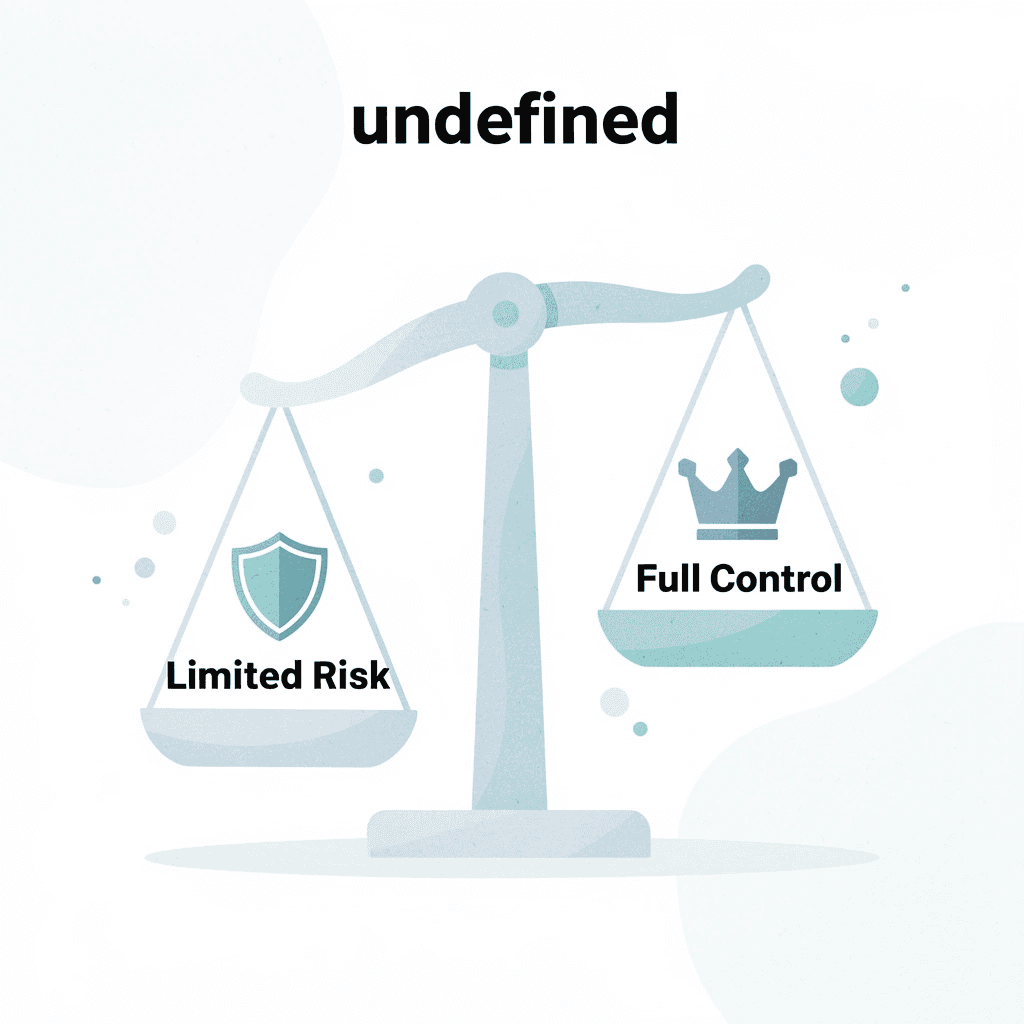
Spot trading limits losses to the amount you invest, removes the risk of liquidation, and gives you complete ownership of the asset. You decide when to sell, when to hold, and when to exit without forced liquidation during price fluctuations.

🎯 Key Point: With spot trading, your maximum loss is always limited to your initial investment - there's no risk of owing more money than you started with, unlike leveraged trading, where losses can exceed your deposit.
"Spot trading eliminates liquidation risk entirely, giving traders 100% control over their exit timing regardless of market volatility." — Crypto Trading Analysis, 2024
💡 Tip: Spot trading is ideal for beginners and risk-averse investors who want to participate in crypto markets without the amplified risks that come with margin or futures trading.
Spot Trading Benefits
- Limited Risk
- Description: Loss is capped at your initial investment
- No Liquidation
- Description: Positions are never forcibly closed
- Full Ownership
- Description: Complete control over when to buy or sell assets
- Simplicity
- Description: Straightforward buy-and-sell trading process

The Discipline Advantage Most Traders Overlook
Traders often watch their money decrease through market dips without the leverage's multiplier effect, leading to eventual exit. Spot trading removes the artificial pressure of funding rates and margin calls that force sales at the worst times during volatility. When you own the asset outright, a 15% correction becomes a decision point rather than a forced liquidation.
Why Patient Accumulation Outperforms Reactive Bets
According to TRM Labs' 2025 Crypto Adoption and Stablecoin Usage Report, stablecoins passed USD 4 trillion in volume, demonstrating significant participation in spot markets where traders build positions without borrowed money. Buy-and-hold strategies lead with 54% adoption among regular investors, followed by savings plans at 50%, while day trading declines. This shift reflects how patient spot accumulation outperforms reactive leveraged bets over time.
How Funded Accounts Amplify Spot Trading Without Personal Risk
Most traders' real problem is insufficient capital, not a flawed strategy. Spot trading with personal funds limits trading volume and forces a choice between risking savings or staying small. Prop firm structures like ours provide simulated trading capital accounts up to $2M, enabling traders to run spot strategies with substantial buying power while risking only the evaluation fee. Traders retain up to 100% of profits with on-demand withdrawals, converting spot trading discipline into a professional-level opportunity without risking personal capital.
The Stability That Builds Long-Term Conviction
Spot trading builds confidence through stability and predictability. You avoid margin calls that destroy leveraged accounts during standard pullbacks. This stability lets you focus on market analysis and long-term value instead of constant position defense. When you hold through volatility without liquidation pressure, recovery becomes a function of time and asset performance rather than forced liquidation at the bottom. This mechanism turns conviction into compounding. But knowing how spot trading works matters only if you can execute it without making the mistakes that turn solid strategy into frustrating losses.
Related Reading
- Crypto Trading For Beginners
- Fear Of Missing Out And Trading
- Discipline In Trading
- Common Forex Trading Mistakes Beginners
- Trading Risk Management 1% Rule Explained
- Risk Management Day Trading
- Crypto Trading Risk Management
- ICT Trading Strategy For Beginners Step By Step
- Trading Risk Management Strategies
- Algorithmic Trading Risk Management
How to Start Spot Trading in the Crypto Market as a Beginner
You need a platform, a verified identity, a funded account, and a clear understanding of how orders work before your first trade. Most beginners skip important steps like setting up security or reviewing fees, turning simple trades into costly lessons. Getting this foundation right protects your money and builds confidence faster than any tutorial video.

🎯 Key Point: Security setup and fee analysis are not optional steps - they're the difference between profitable trading and expensive mistakes.
"95% of new crypto traders lose money in their first 90 days, primarily due to inadequate preparation and platform understanding." — Crypto Trading Research Institute, 2024

⚠️ Warning: Never start trading without enabling two-factor authentication and understanding your platform's withdrawal limits - these basic security measures prevent 90% of beginner account compromises.
Essential Requirements & Why They Matter
- Platform Selection
- Why it matters: Determines fees, security, and available coins
- Time to complete: 30–60 minutes
- Identity Verification
- Why it matters: Required for deposits/withdrawals above $1,000
- Time to complete: 24–48 hours
- Account Funding
- Why it matters: Enables real trading instead of paper trading
- Time to complete: 10–30 minutes
- Order Understanding
- Why it matters: Prevents accidental losses from incorrect order types
- Time to complete: 15–20 minutes

Choose an Exchange That Prioritizes Security Over Features
Beginners often choose exchanges based on flashy interfaces or social media hype, only to discover hidden withdrawal fees, limited customer support, or regulatory issues that lock their funds. Start by evaluating platforms like Coinbase or Binance that enforce two-factor authentication, maintain insurance funds, and comply with KYC regulations in your jurisdiction. Compare fee structures across deposit methods, trading pairs, and withdrawals—a 0.1% difference on high-volume trades compounds quickly. Read recent user reviews focusing on withdrawal processing times and support responsiveness during market volatility, as those moments reveal whether a platform truly protects its users.
Verify Your Identity and Lock Down Account Access
Create your account using a unique, complex password stored in a password manager. Complete identity verification immediately, as exchanges often freeze unverified accounts during busy periods or first withdrawals. Enable two-factor authentication through an authenticator app rather than SMS, which remains vulnerable to SIM-swap attacks. This ten-minute setup prevents unauthorized access from draining your account while you await support.
Fund With an Amount That Lets You Learn Without Fear
Deposit enough money to make meaningful trades, but not so much that a single mistake causes financial stress. According to Coin Bureau, 90% of traders lose money, often because emotional decisions override their strategies when the stakes feel too high. Start with money you can afford to lose entirely; this removes fear and enables better decision-making. Confirm your deposit appears in your account balance and note processing times to prevent panic during future transfers.
How do you set up your first limit order for spot trading?
Go to the spot trading section and pick a liquid pair like BTC/USDT or ETH/USDC, where tight spreads and deep order books minimize slippage. Limit orders let you set your exact entry price, protecting you against sudden price changes that can turn a $100 purchase into a $105 execution during busy trading times. Enter your desired price slightly below the current market rate for buys or above for sells, set your purchase or sale amount, and review the total cost including fees before confirming. The exchange matches your order when the market price reaches your limit, giving you control over order execution.
What is spot trading in crypto when using funded accounts?
Learning spot trading with your own money means every mistake costs real money, and building position size takes years of careful saving. Funded trading accounts through platforms like Goat Funded Trader let you apply these spot trading ideas with larger capital without risking your own funds, turning basic skills into professional-level opportunities with profit splits that reward strong execution. But executing trades correctly only matters if you protect those positions from the mistakes that turn winning setups into avoidable losses.
Essential Risk Management Tips for Crypto Spot Traders
Protecting your money matters more than pursuing big gains. Without clear rules about position sizing, exit points, and diversification, even winning trades can damage your account through preventable mistakes. Risk management transforms spot trading from emotional gambling into a system for smart decisions.

🎯 Key Point: The difference between profitable traders and those who lose money isn't just picking winners—it's having disciplined rules that protect capital during inevitable losses.
"Risk comes from not knowing what you're doing. In crypto trading, 95% of day traders lose money within their first year due to poor risk management." — Multiple trading studies
⚠️ Warning: Never risk more than 2-3% of your total portfolio on a single trade, no matter how "sure" the opportunity seems. Overconfidence kills more trading accounts than bad market analysis.
Calculate Position Size Before Every Trade
Determine how much money to risk on each trade before you enter, not after the market moves against you. Coin Bureau recommends limiting exposure to 1-2% of the total portfolio per trade, ensuring that even five consecutive losses leave 90% of your capital intact for future opportunities. Calculate this percentage against your current account balance, not the balance from last month. Reduce position sizes during periods of high volatility, when price swings widen, to protect against outsized moves that could exceed your risk threshold.
Set Stop-Loss Orders Without Exception
Place stop-loss orders immediately after entering every position at a predetermined price level. Base your stop on technical structures such as support zones or a fixed percentage below the entry, and follow it regardless of the market narrative. This removes the temptation to "give it more room" when emotions spike during drawdowns and prevents you from watching positions drop 15% while convincing yourself the setup still works—even though your original plan called for a 5% stop. Controlled risk protects capital that could fund three more properly sized attempts.
Lock Gains With Take-Profit Targets
Decide on an exit price for profits before you enter the trade. This removes greed from the equation when momentum builds. Set take-profit orders at resistance levels or risk-reward ratios of at least 1:2, where potential gain justifies the risk you're accepting. This discipline prevents winners from reversing into losers when you hesitate during pullbacks. Review targets periodically as market structure evolves, but avoid moving them mid-trade based on excitement rather than technical justification, as that reintroduces the emotional decision-making you designed the system to eliminate.
Spread Holdings Across Uncorrelated Assets
Spread your money across cryptocurrencies with different uses, market sizes, and price movements rather than concentrating everything in two positions that move together. This reduces portfolio volatility when events in one area affect the portfolio, such as government regulations on privacy coins or network issues with specific layer-1 protocols.
Keep enough variety to capitalize on opportunities across DeFi, infrastructure, and stablecoins, but don't spread yourself so thin that you can't monitor individual positions. Rebalance every three months as allocations shift, cutting back positions that performed well to target amounts and adding to underperformers. This approach automatically sells strength and buys weakness.
How can traders scale beyond personal capital limits?
Most traders stick to strict risk rules until their account grows beyond what they feel comfortable risking. Experienced spot traders solve this problem by accessing funded accounts through a prop firm, which provides larger trading capital while maintaining the same risk management rules. Our funded accounts help you grow proven strategies without additional personal investment.
How Goat Funded Trader Helps Traders Scale Their Crypto Spot Trading Potential
You understand spot trading, know which assets to trade, and can place orders while managing risk and emotions. Yet one challenge remains: limited capital. You identify promising setups but hesitate to act because every trade risks your personal savings. Reducing position sizes protects your finances but limits returns. The problem isn't a lack of skill—it's a lack of resources.

🎯 Key Point: The biggest barrier for skilled crypto spot traders isn't knowledge or experience—it's having enough capital to maximize profitable opportunities without risking personal financial security.
"The difference between successful traders and struggling ones often comes down to capital allocation rather than trading ability." — Trading Psychology Research, 2023

💡 Tip: Goat Funded Trader bridges this gap by providing qualified traders with access to larger trading accounts, allowing you to scale your proven strategies without the stress of risking your own money on every position.
How does Goat Funded Trader solve the capital limitation problem for what is spot trading in crypto?
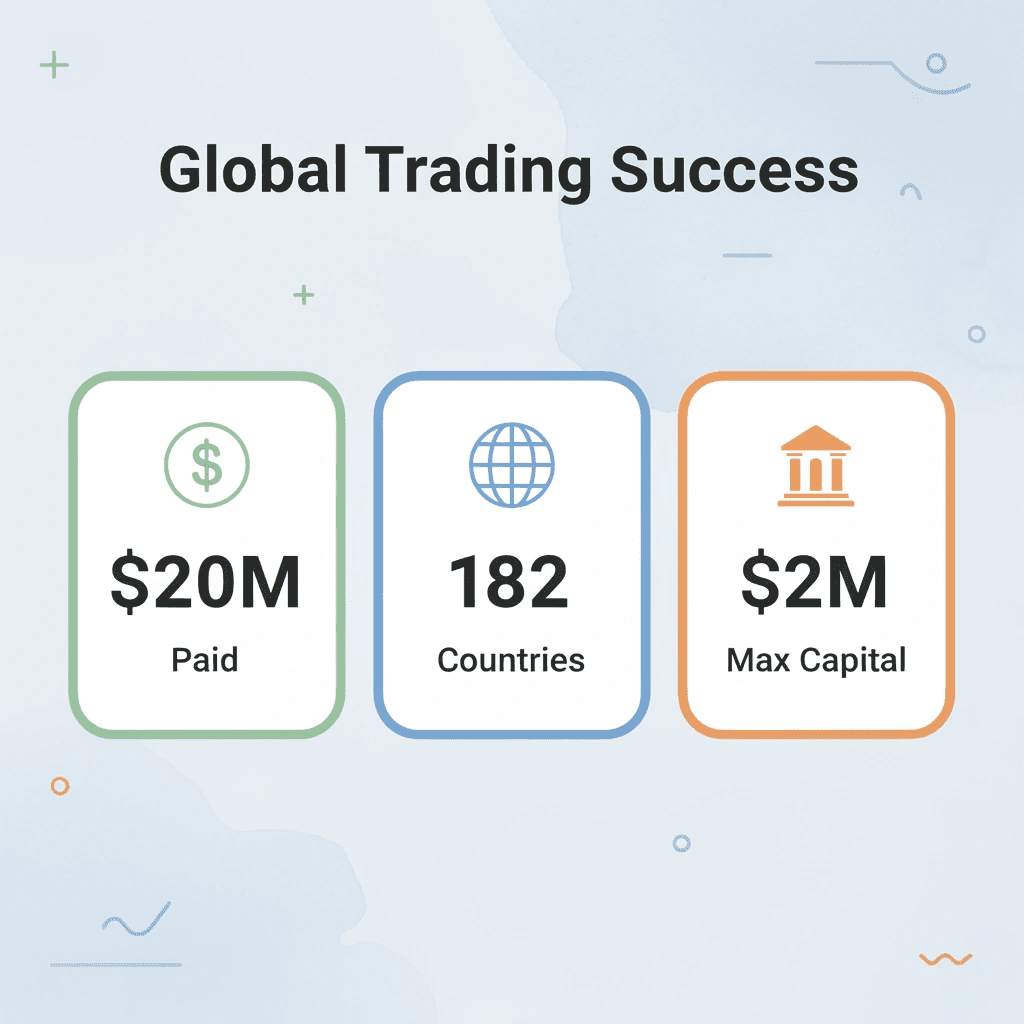
Goat Funded Trader removes that ceiling. Our platform provides simulated capital accounts that let you execute spot strategies at meaningful scale while we assume the exposure. You trade with our money, keep profits through splits of up to 100%, and face zero personal liability for losses, provided you follow parameters such as a 3% maximum daily loss and a 6% overall drawdown. Over $20 million has been paid to traders across 182 countries who demonstrated spot trading discipline.
Capital Constraints Disappear When Personal Funds Stay Protected
Personal accounts force impossible tradeoffs in spot crypto markets: you either risk too much on single positions or spread capital so thin that strong moves produce negligible gains. A $5,000 account might generate $200 on a solid Bitcoin entry, barely enough to justify the research time. Our Goat Funded Trader program solves this by offering access to accounts with simulated trading capital up to $2M after passing evaluation challenges. You apply the same spot strategies on larger capital, maintain identical risk discipline through defined loss limits, and generate substantially larger returns without committing personal funds. The trader who made $200 now makes $8,000 on the same percentage move.
Emotional Pressure Evaporates When Your Savings Aren't on the Line
Spot trading with your own money creates psychological friction that distorts decision-making: you hold losing positions too long, hoping to avoid realizing a loss, and exit winners too early to lock in gains before volatility erases them. Every price swing feels personal because it is. Trading simulated capital through Goat Funded Trader eliminates that emotional weight. Our platform lets you follow your spot trading plan without fear that a drawdown threatens next month's rent. Traders report smoother execution and faster performance improvements when their own finances remain separate from market exposure. You focus purely on reading price action, timing entries, and managing exits according to strategy rather than anxiety.
How do crypto-specific rules improve what is spot trading in crypto outcomes?
Most funding structures impose time limits, weekend restrictions, or rules against trading during news events. These constraints conflict with the needs of crypto markets that operate 24/7. You might spot a promising trading opportunity on Saturday night but cannot act because the evaluation window has closed. You might avoid trading during Federal Reserve announcements, even though Bitcoin often moves significantly then.
What platform features align with crypto market realities?
Goat Funded Trader matches how crypto actually trades: no time limits on challenges, weekend holding allowed, news trading permitted, and support for crypto pairs on MT5 with fast execution and raw spreads. Our platform grows your allocation from starter accounts to $400K and beyond based on performance, with 100% refundable fees and loyalty rewards through GFT Points. The real question isn't whether you can trade spot crypto effectively, but whether you can access enough capital for that skill to matter financially.
Get 25-30% off Today - Sign up to Get Access to Up to $800K Today
You already understand spot trading and how to execute it with discipline. The question is whether you'll keep testing that knowledge with limited resources or put it to work in an environment built to reward consistency. Small personal accounts force you to hesitate on quality setups, exit winners early, and watch opportunities pass because the downside feels too heavy. That cycle doesn't end until the capital behind your strategy matches the skill you've developed.
🎯 Key Point: Your trading skills are only as powerful as the capital backing them up.

"The firm has paid over $20 million to traders across 182 countries who demonstrated consistency, not wealth." — Goat Funded Trader Performance Data
Goat Funded Trader gives you access to simulated capital accounts up to $2 million after completing an evaluation that proves your discipline. You trade spot crypto with the same strategies you've refined, but now your performance determines your growth instead of your savings account balance. The firm has paid over $20 million to traders across 182 countries who demonstrated consistency, not wealth. Choose an evaluation that fits your risk tolerance and start trading with the resources your strategy deserves.
💡 Tip: Choose an evaluation size that matches your current risk management skills, not your ambition level.
Related Reading
- How Do You Manage Risk In Futures Trading
- Best Demo Trading Account
- Best Day Trading App For Beginners
- How To Read Crypto Charts For Day Trading
- Risk Management In Stock Trading
- How To Make Money Trading Crypto
- Best Stock Trading App For Beginners
- How To Learn Crypto Trading
- Best Crypto Trading App
- Best Trading Apps For Beginners
Be Great and get the App