






Discipline in Trading: 12 Tips to Build Lasting Consistency
Discipline in trading separates profitable traders from the rest. Goat Funded Trader shares 12 proven tips to build real consistency.


Knowing how to use AI for crypto trading is only half the battle. The real challenge is consistency, since even well-researched strategies fall apart when emotions drive decisions. Most traders lose not because their analysis is wrong, but because impulsive execution undermines everything they have built.
Lasting discipline comes from structure, not willpower alone. Traders who operate within a clear framework find it far easier to follow rules under pressure and protect their gains over time. For those ready to take that step, working with a reputable prop firm like Goat Funded Trader provides the accountability and environment where consistent, rule-based trading can become second nature.
Summary
- Trading discipline separates profitable traders from those who repeatedly reset their accounts after emotional decisions erase weeks of progress. The gap between knowing what to do and actually doing it consistently determines whether strategies perform as designed or fall apart under pressure when money is on the line.
- Winning streaks trigger the most dangerous form of overconfidence. This house-money mindset treats profits as play capital rather than hard-earned equity, and the inevitable correction wipes out those gains and more, resetting progress and damaging the confidence traders just built.
- Inconsistent position sizing accelerates account failure faster than most traders realize. Quantified Strategies reports that 90% of traders fail, and that adjusting risk based on feelings rather than rules exposes accounts to uneven risk. One oversized loser erases multiple small winners, resetting the equity curve and reinforcing the exact fear that drives tighter, reactive trading in future sessions.
- Loss aversion converts controlled risks into account-damaging drawdowns. When price hits a planned stop, but traders freeze or widen it, hoping for a bounce, they turn 1% risks into disasters that destroy months of progress in hours. This single behavior reflects the brain treating booking a loss as permanent failure, while holding keeps the possibility of being right alive.
- Structure forces behavior change faster than motivation ever will. Hard limits like daily loss caps and maximum drawdown rules act as automatic circuit breakers that end sessions before emotional decisions compound into account-ending damage. The binary outcome of either following the plan or starting over rewires impulsive habits into disciplined execution faster than any amount of self-talk.
- Goat Funded Trader addresses this by embedding accountability directly into the trading structure, offering access to simulated capital of up to $2M, with profit splits reaching 100% for traders who prove they can follow rules under real market conditions, rather than relying on willpower alone.
What Is Discipline in Trading, and Why Is It Important?
Discipline in trading means following your rules when every instinct screams otherwise. It's closing a losing position at the planned stop loss even though you hope the market might reverse, or skipping a tempting setup that doesn't meet entry criteria rather than jumping in because of fear of missing out (FOMO). This consistency separates traders who build up gains from those whose emotional decisions repeatedly erase weeks of progress.
"Discipline is the bridge between your trading plan and your actual results — without it, even the best strategy fails at the moment it matters most."
🎯 Key Point: Trading discipline is not about being rigid — it's about protecting your edge by honoring the rules you set before emotions entered the picture.
⚠️ Warning: The two most common discipline failures are holding a losing trade past your stop-loss and entering a trade that doesn't meet your setup criteria — both are driven by emotion, not strategy.
Disciplined Trader
- Closes at the planned stop loss
- Skips setups that don't qualify
- Follows a consistent rule set
- Builds gains over time
Undisciplined Trader
- Holds, hoping for a reversal
- Enters on FOMO
- Makes emotional decisions
- Repeatedly erases progress

Discipline Means Sticking to Your Trading Plan
Your trading plan defines entries, exits, position sizing, and risk limits. Discipline is executing that plan on every trade, regardless of market conditions or emotions. You ignore social media noise, skip setups that almost qualify, and take valid ones without hesitation. This eliminates the mental negotiation that occurs when money is on the line. Traders who master this see their strategy perform as designed rather than fall apart under pressure, because the plan gets followed through winning and losing streaks alike.
Enforces Strict Risk Management
Disciplined traders risk only 1-2% of their account per trade, using stop losses positioned according to market structure. They cut losses quickly when price action proves them wrong rather than moving stops or hoping for reversals. This preserves capital for high-probability opportunities and enables survival during volatile markets.
How does discipline in trading control emotions like fear and greed?
Fear pushes you to exit winners too early or avoid good trades, while greed drives overtrading, revenge trades, or holding losers too long. Discipline overrides these impulses by relying on rules rather than feelings: you accept losses as part of the process, take profits according to your plan, and walk away when conditions don't meet your criteria. This emotional steadiness separates those who build accounts from those who blow them up.
Why does discipline in trading matter when capital is limited?
Most traders work with limited money, making every undisciplined decision costly. Prop firms like Goat Funded Trader reward disciplined execution by providing access to accounts up to $2M with profit splits reaching 100%. This removes pressure to risk personal savings while learning to follow rules under real market conditions, transforming trading potential into withdrawable profits.
But knowing what discipline looks like doesn't explain why it disappears when you need it most.
Related Reading
- How to Use AI for Crypto Trading
- What Are Crypto Trading Signals
- How Long Does It Take To Learn Forex Trading
- What Is Spot Trading in Crypto
- Is Paper Trading Real Money
- Emotional Trading Mistakes
- Common Mistakes in Stock Trading
- Crypto Trading Mistakes
- Forward Testing Trading
- Paper Trading Vs Live Trading
- Risk Reward Ratio Trading
What Causes Traders to Lose Discipline?
Discipline breaks down when emotions take over and override your trading plan. Fear, greed, overconfidence, and frustration can take control of your decisions in ways that are easy to predict. These emotions can turn traders who normally make smart choices into people who gamble and react without thinking. These patterns often show up quietly during times when you are winning a lot, after you lose money, or when the market is so noisy that you can't focus on your process.
"Fear, greed, overconfidence, and frustration are the four emotional triggers that silently erode trading discipline — and they strike hardest when traders feel most in control."
⚠️ Warning: Emotional trading doesn't always feel irrational in the moment — it often disguises itself as confidence or instinct, making it one of the most dangerous discipline killers.
💡 Tip: Track when your discipline slips by logging your emotional state alongside every trade. Patterns of fear-driven exits or greed-fueled overrides will reveal themselves quickly.
Fear
- When It Strikes: After a losing trade
- Typical Behavior: Closing positions too early
Greed
- When It Strikes: During a winning streak
- Typical Behavior: Oversizing or ignoring limits
Overconfidence
- When It Strikes: After big wins
- Typical Behavior: Skipping plan validation
Frustration
- When It Strikes: In choppy markets
- Typical Behavior: Revenge trading impulsively

Emotions Hijack Your Process
Fear makes you exit profitable positions on small pullbacks, locking in mediocre gains while your target sits ahead. Greed does the opposite, convincing you to hold losing trades past your stop because you're certain the market will reverse. Both emotions bypass your rules the instant price action triggers them, turning every decision into a personal one rather than a procedural one. This guarantees you'll miss planned moves and magnify avoidable losses.
Vague Plans Create Decision Paralysis
Without clear rules for entries, exits, position sizing, and daily loss limits, you're trading on gut feelings and market chatter. Every chart pattern appears profitable, and every price movement tempts action. This lack of clarity leaves you with no benchmark for trades, so small mistakes compound and threaten your account. A detailed plan keeps you steady; without one, you drift toward failure, one rushed trade at a time.
Winning Streaks Inflate Ego and Risk
A few profitable trades convince you that you've figured out how the market works. You increase position sizes, ignore risk parameters, or enter risky trades because recent success feels easy. This house-money mindset treats profits as play money rather than hard-earned savings. The inevitable correction wipes out those gains and more, resetting your progress and damaging confidence.
Revenge Trading Turns Losses Into Disasters
One losing trade hurts your pride, so you immediately jump back in with a bigger position or weaker setups to get even. This ignores market conditions and your original criteria, turning a manageable loss into a catastrophic streak. Each revenge entry compounds losses, drains capital faster, and reinforces the emotional spiral that makes disciplined trading impossible. The market doesn't care about your need for redemption—it only responds to probability and edge, neither of which exists in revenge trades.
FOMO Pulls You Into Low-Probability Traps
Seeing price surges or hearing hype around hot moves creates intense pressure to jump in late. You abandon waiting for confirmation and enter at poor levels with no edge. These fear-driven decisions rarely work out, leading to quick stops or trapped positions that tie up capital and distract from better opportunities. FOMO consistently pulls traders out of their process and into setups they would have skipped had they followed their rules. Prop firms like Goat Funded Trader reward traders who resist this pressure by consistently following program guidelines, proving that discipline unlocks access to larger capital and profit splits that can reach 100%.
How does discipline in trading help you catch these moments in real time?
Knowing what breaks discipline doesn't explain how to spot it in real time.
What Are the Signs of an Undisciplined Trader?
Recognizing indiscipline starts with watching your own patterns. The signs show up in repeated behaviors that feel justified in the moment but wear down your edge over time. Each breach teaches your brain that rules are optional, creating automatic responses that bypass the strategy you spent months refining.
"Every time a trader breaks their own rule, they aren't just losing a trade — they're rewiring their decision-making process to treat discipline as optional." — Trading Psychology Research
⚠️ Warning: The most dangerous part of undisciplined trading isn't a single bad trade — it's the cumulative pattern of small rule-breaks that quietly erode your entire edge.
💡 Key Signs to Watch For:
Overriding stop-losses
- Emotional decision-making over logic
Revenge trading after losses
- Reactive mindset, not strategic
Skipping pre-trade checklists
- Rules feel optional under pressure
Increasing position size impulsively
- Risk management is breaking down
Entering trades outside your setup
- Bypassing the strategy you refined
🔑 Takeaway: Indiscipline is rarely a one-time event — it's a pattern of repeated behaviors that compounds silently until your trading edge is gone.

Revenge Trading After Losses
You take a loss and immediately scan for the next setup, not because your system signals one but because you need to recover what you just gave back. This emotional urgency overrides your process, turning disciplined risk into impulsive gambles. Each new entry compounds exposure during moments when your judgment is compromised. One revenge trade rarely stops at one—the cycle feeds itself until a single bad session wipes out weeks of careful gains. Terrance Odean's landmark study of 10,000 brokerage accounts found investors realized 14.8% of their gains but only 9.8% of their losses, demonstrating how even experienced traders hold losers too long and sell winners too early.
Adjusting Position Size Based on Feelings
Your plan says risk 1% per trade, but when a setup "looks perfect," you bump it to 3% or 5% because conviction feels like certainty. You mistake emotional intensity for edge—this is overconfidence bias disguised as analysis. SEBI data from FY25 shows 91% of retail F&O traders lost money, with average losses around ₹1.1 lakh per trader and collective losses exceeding ₹1.06 lakh crore. This failure rate persists among participants who actively study markets, proving that knowledge without behavioral control leads to losses. One oversized loser erases multiple small winners, resetting your equity curve and reinforcing the fear that drives tighter, reactive trading.
Skipping Your Pre-Trade Checklist
You see the price moving and jump in without confirming all your criteria because waiting feels like missing the move. The market's noise drowns out your process. Each skipped step trains you to act on impulse, turning a structured approach into reactive pattern matching that locks capital into low-probability setups. The cost isn't just bad entries; it's the erosion of trust in your own rules, making every future decision harder to execute cleanly.
Holding Losers Past Your Stop
Price hits your planned exit, but you freeze or move the stop wider, hoping for a bounce that saves the trade. Loss aversion drives this: your brain treats booking the loss as a permanent failure while holding keeps the possibility of being right alive. This behavior turns controlled 1% risks into account-damaging drawdowns that destroy months of progress in a matter of hours.
Why does discipline in trading determine how far losses go?
Prop firms reward traders who execute stops without hesitation because that discipline proves you can manage capital at scale. Research shows the top 20% of active traders by volume underperform buy-and-hold investors by about 6 percentage points annually; high activity, driven by a lack of discipline, erodes the edges that knowledge should protect.
Is awareness enough to close the gap between knowing and doing?
Most traders who show these signs think that better analysis or setups will fix the problem. The real issue isn't what you know, but the gap between knowing and doing when pressure hits. Recognizing these patterns early gives you the chance to step in before they become automatic, though awareness alone won't rebuild discipline. That requires a structure designed to catch you before damage compounds.
Related Reading
- Crypto Trading For Beginners
- Fear Of Missing Out And Trading
- Common Forex Trading Mistakes Beginners
- Trading Risk Management 1% Rule Explained
- Risk Management Day Trading
- Crypto Trading Risk Management
- ICT Trading Strategy For Beginners Step By Step
- Trading Risk Management Strategies
- Algorithmic Trading Risk Management
12 Tips to Develop Discipline in Trading and Build Lasting Consistency
Most traders spend more time looking for the perfect indicator than fixing the habits that hurt their results. They change strategies after every loss, chase trades that never matched their setup, and break their own rules when emotions take over—creating a frustrating cycle of progress followed by preventable setbacks.
⚠️ Warning: Constantly switching strategies after a loss is one of the most destructive habits a trader can develop. Every strategy needs time and consistency to reveal its true edge.
"The real enemy of trading performance is not a bad strategy—it's the undisciplined behavior that prevents any strategy from working long enough to prove itself." — Trading Psychology Principle
Strategy hopping
- What It Looks Like: Switching systems after every loss
- The Real Cost: Never building real edge
Chasing trades
- What It Looks Like: Entering setups that don't match rules
- The Real Cost: Increased risk exposure
Breaking rules
- What It Looks Like: Overriding your plan on emotion
- The Real Cost: Compounding losses
Ignoring setbacks
- What It Looks Like: Skipping post-trade review
- The Real Cost: Repeating the same mistakes
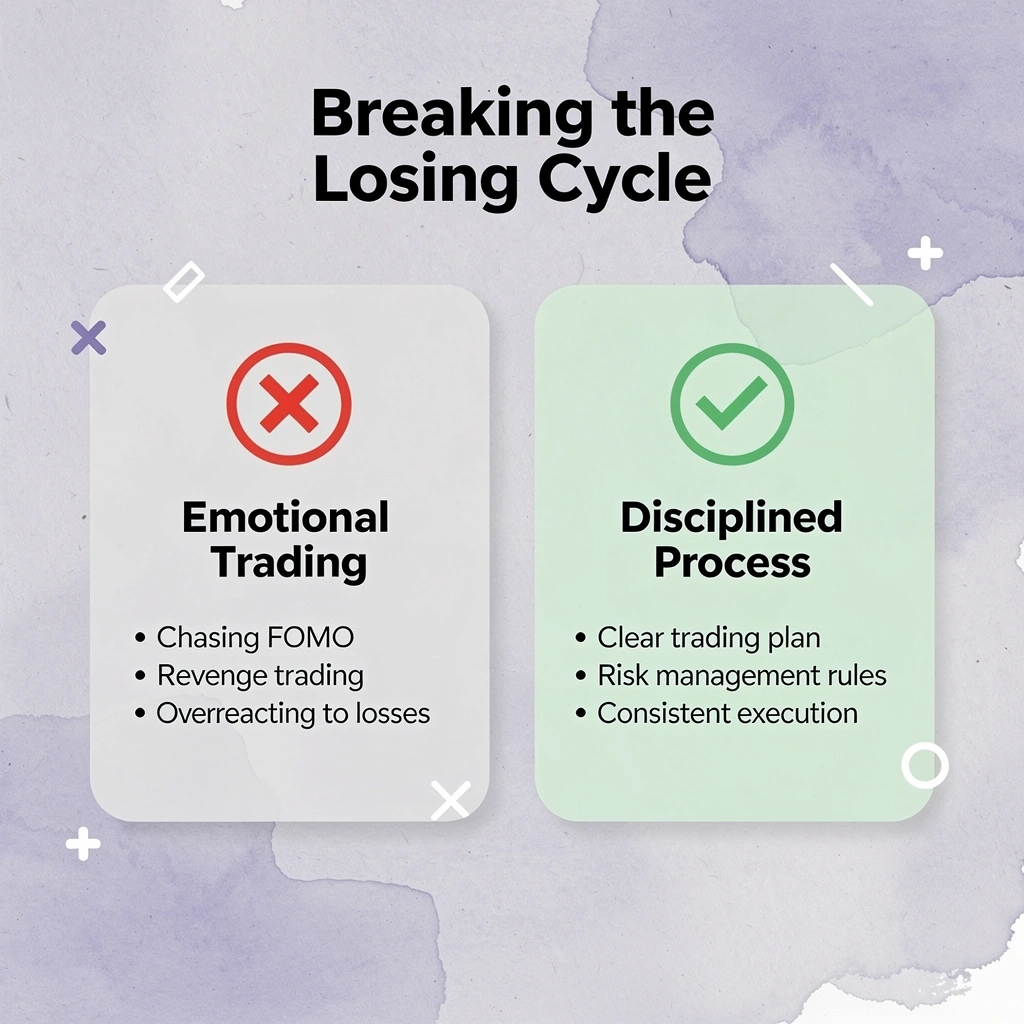
Discipline breaks that cycle by turning trading from emotional reactions into a repeatable process built on structure, patience, and accountability. The key insight: discipline is not something you either have or lack—it is a skill developed through daily actions and intentional habits.
🎯 Key Point: Discipline in trading is not a personality trait you're born with. It is a learnable, buildable skill that compounds over time with consistent daily practice.
💡 Tip: Start small: commit to one non-negotiable rule per session, such as never risking more than your pre-defined position size. Mastering one habit at a time builds lasting consistency.
1. Create and Write Down a Detailed Trading Plan
Write down your approach: exactly when you will buy, when you will sell, how much money to risk on each trade, and your maximum daily loss. Review this plan every day before trading. A written plan clarifies your strategy and provides an objective framework for decision-making, preventing impulsive choices during market volatility. Traders who document their rules follow them more consistently because the plan remains separate from their emotions.
2. Implement Strict Risk Management on Every Trade
Risk no more than 1% of your total account on any single position, and always use hard stop-losses set before entry. Calculate position size based on your stop distance so the math enforces discipline automatically. This protects your capital during losing streaks and prevents a single bad trade from derailing your progress.
3. Maintain a Detailed Trading Journal
Write down every trade with the reasons you entered and exited, your emotional state, whether you followed your rules, and what happened. Review your journal often to identify patterns in when you broke your rules or succeeded. Journaling holds you accountable for your trades and transforms each one into a learning opportunity. It forces honesty about what happened in ways memory alone cannot provide.
4. Establish a Consistent Daily Trading Routine
Build a fixed schedule that includes preparing before the market opens, setting trading hours, and reviewing after the market closes, then follow it without exception. Treat trading as a professional business rather than a flexible hobby. A solid routine reduces decision fatigue and creates automatic habits that make disciplined execution the default path.
5. Practice Patience by Waiting for High-Probability Setups Only
Commit to taking only trades that match your plan criteria. Accept that some days offer zero opportunities and walk away instead of forcing action. Patience protects you from low-edge entries driven by boredom or FOMO and allows your statistical advantage to compound. Those who master waiting develop the mental strength that separates survivors from traders who overtrade their way out of the game.
6. Set Realistic Goals and Track Progress Daily
Set specific, measurable goals that focus on how you trade rather than how much money you make, such as following your plan on 90% of trades or limiting risk per session. Break these into daily and weekly targets, then track them in your journal. This creates forward momentum and turns abstract discipline into concrete achievements you can celebrate. Consistent goal tracking reinforces positive habits and prevents discouragement from unrealistic expectations.
7. Develop Emotional Awareness and Control Techniques
Find out what triggers strong emotions by journaling. Practice calming techniques such as deep breathing or stepping away from your computer during intense moments. Treat emotions as information rather than reasons to act. This awareness prevents automatic reactions, allowing you to respond logically instead of impulsively. Traders who master emotional control stay clear-headed under stress and avoid angry trades or fear-of-missing-out trades that can devastate their accounts.
8. Conduct Regular Performance Reviews
Schedule weekly reviews of your trades to evaluate adherence to rules, win rates, and areas of slippage. Focus on facts and patterns rather than outcomes alone. Regular analysis builds self-awareness, prevents repeated mistakes, and transforms discipline into automatic response.
9. Limit Trading Hours and Take Scheduled Breaks
Set clear trading times that align with when you trade best, and take the required breaks to refresh your thinking. Watching charts all day leads to fatigue and poor decision-making. This approach keeps your mind fresh and prevents overtrading driven by boredom or screen fatigue.
10. Seek Accountability Through a Mentor or Trading Partner
Share your trading plan and journal with a trusted mentor or peer who can review your progress and ensure you follow your rules. Regular check-ins create external accountability that strengthens your commitment and accelerates habit formation. This support system provides honest feedback and encouragement during difficult periods, helping you maintain consistency for long-term success.
11. Practice with Realistic Paper Trading or Simulation
Set aside regular time to practice trading using platforms that copy real trading conditions, including slippage, commissions, and real-time data. Treat every practice trade with the same rules and seriousness as real trades, documenting what happens and how you feel. This builds the habit of following your plan without risking real money and reveals what you need to work on before trading with actual capital.
12. Commit to Continuous Learning and Mindset Development
Spend time each week learning about trading psychology through professional resources and practicing mental techniques such as mindfulness and visualization. Apply what you learn immediately by updating your plan and testing it in a simulation or with small real trades. Continue learning to stay ahead and build the mental strength needed to remain consistent when your account declines in value. This embeds discipline into your identity as a trader.
Daily Habits of Disciplined Traders You Can Practice
Discipline in trading develops through small actions repeated daily, not one big decision. Consistent traders rely on routines that support good decision-making during stressful market conditions — not motivation or luck. These habits are practical and accessible: they require commitment to a process that protects your capital and mindset, not special talent or years of experience.
"Discipline in trading is built through small actions repeated daily — the routines that protect your capital and mindset when markets are at their most unpredictable."
💡 Tip: You don't need years of experience to trade with discipline — you need a daily process you can commit to consistently, starting today.
🔑 Takeaway: The most consistent traders aren't the most talented — they're the ones who protect their decision-making routine through every market condition.
Pre-Market Routine
- Reviewing your plan before the open
- Sets intentional focus before stressful conditions
Risk Management Check
- Defining max loss before entering trades
- Protects capital from emotional decisions
End-of-Day Review
- Logging trades and outcomes daily
- Builds self-awareness and long-term improvement
Mindset Reset
- Brief reflection or journaling
- Protects mental clarity for the next session

Start Your Day with Pre-Market Preparation and Mental Reset
Disciplined traders start each session by reviewing economic calendars, checking overnight news, and assessing market conditions before opening charts. A brief mindfulness practice or physical activity helps clear mental clutter and establish calm focus. This preparation reduces reactive decisions driven by surprises, aligns your mindset with process over outcomes, and helps you identify high-probability opportunities in advance rather than entering live markets unprepared.
Review and Affirm Your Trading Plan Daily
Before placing any order, disciplined traders reread their written trading plan, including entry criteria, exit rules, risk parameters, and daily limits. They affirm commitment to these rules aloud or in writing to reinforce accountability. This daily ritual keeps the framework fresh in mind and counters the temptation to improvise when volatility strikes, transforming the plan from a forgotten document into an operational compass.
Enforce Strict Risk and Position Sizing Rules on Every Trade
Disciplined traders calculate position sizes based on a fixed risk percentage, typically 1% of total account equity, and set hard stop-losses before entry on every position. They never adjust these parameters mid-trade or increase exposure to chase moves. This preserves capital through losing streaks and prevents any individual trade from threatening overall survival. Making risk mechanical removes emotion from sizing decisions and builds confidence that downside remains controlled.
Wait Patiently for Confirmed Setups Only
Disciplined traders examine charts carefully and act only when conditions match their predefined criteria, remaining idle otherwise. They accept that quality setups appear selectively and refuse to force entries from boredom or FOMO. This selective approach ensures higher-probability trades and prevents low-edge losses that erode accounts. Patience allows your statistical edge to compound over time rather than be diluted by overactivity.
Maintain a Real-Time Trading Journal
Disciplined traders log every trade immediately with entry and exit reasons, emotional state, rule adherence, and screenshots. They note deviations and contributing factors without self-judgment. This documentation creates an objective record that reveals patterns in behavior and performance, transforming each session into targeted feedback that accelerates the shift from impulsive reactions to consistent, rules-based execution.
Take Scheduled Breaks and Manage Screen Time
Disciplined traders limit screen time by scheduling short breaks to stretch, drink water, or step away during slow market periods. This prevents mistakes caused by tiredness and decision fatigue that impair judgment. Protecting your energy levels preserves the clear thinking needed for critical moments and reduces revenge trading or rule-breaking driven by fatigue.
Conduct a Thorough Post-Market Review and Reflection
At the end of each trading session, review all trades against your plan and assess your performance. Celebrate adherence to your process and notice what emotions arose, rather than fixating on profit or loss. This habit closes the feedback loop, helping you repeat good behaviors and address weak areas before the next day. Consistent review transforms daily experience into genuine skill development.
Prioritize Physical Health and Recovery Routines
Successful traders prioritize exercise, healthy eating, adequate water intake, and quality sleep. They understand that physical health directly affects trading decisions. This routine provides the energy needed, stabilizes emotions, and sharpens cognitive function during trading hours. It also reduces stress-driven poor choices and builds the resilience required for long-term professional trading.
How Goat Funded Trader Helps Traders Build Better Discipline
The way something is set up forces you to change your behavior faster than just wanting to change. Goat Funded Trader builds discipline by putting accountability right into the trading structure through hard limits, clear tracking, and reward systems that make following the rules the only way to grow your capital.
"The most effective discipline systems don't rely on willpower — they rely on structure, accountability, and consequences built directly into the process." — Trading Psychology Research
🎯 Key Point: Goat Funded Trader doesn't just encourage discipline — it enforces it by making rule-following the only path to capital growth.
💡 Tip: If you struggle with trading discipline, look for a platform that builds hard limits and clear tracking directly into its structure — external accountability works faster than internal motivation alone.
ard Limits
- Enforces strict loss caps and boundaries
- Prevents emotional decision-making
Clear Tracking
- Monitors every trade against set rules
- Builds self-awareness over time
Reward Systems
- Capital growth tied to rule compliance
- Makes discipline financially rewarding

Risk Limits That Remove Emotional Override
The 3% daily loss and 6% total drawdown rules at Goat Funded Trader are automatic circuit breakers. When fear tempts you to hold a loser past your stop or greed pushes you to double down after a win, the system ends the session before emotional decisions erase weeks of progress. You can't negotiate with these limits. This binary outcome—follow your plan or start over—rewires impulsive habits into disciplined execution faster than self-talk alone.
No Time Pressure Builds Real Patience
Most traders force trades because of self-imposed deadlines. Goat Funded Trader removes that urgency with unlimited time to complete challenges. You wait for your actual setup instead of manufacturing reasons to enter because you "need to hit targets this week." This structural patience directly combats overtrading. When the clock isn't running, FOMO loses its grip. You measure success by execution quality rather than trade frequency, and that shift transforms erratic activity into the selective discipline that compounds into consistent profits.
Scaling Rewards Consistency, Not Streaks
The 10% profit targets paired with account scaling up to $2 million in simulated capital create a feedback loop that punishes gambling and rewards steady execution. Hit your target through disciplined risk management, and you unlock larger capital with 80-100% profit splits that increase your earning potential. Break the rules chasing quick wins, and you reset to zero regardless of prior gains. This structure makes overconfidence expensive and consistency profitable.
Real-Time Data Creates External Accountability
The custom dashboard tracks every metric that matters: win rate, average risk-reward ratio, drawdown patterns, and rule adherence. This visibility creates accountability you can't ignore. When bi-weekly payouts and on-demand withdrawals depend on maintaining those metrics within defined boundaries, the data becomes your external discipline system. You stop trading on hope and start adjusting based on proof, because the dashboard shows the gap between what you planned and what you did when pressure hit.
Flexible Rules Support Sustainable Habits
Allowing news trading and weekend holding means you're not fighting artificial restrictions that create rule-breaking elsewhere. You trade your edge when it appears, not when arbitrary rules permit it. This freedom within structure reduces the psychological tension that leads to impulsive decisions. When your plan calls for holding through the weekend, and the platform allows it, you follow your strategy without the stress of forced exits. The result is a sustainable trading routine where discipline becomes automatic rather than exhausting.
Knowing the structure exists and using it to transform your trading are two different things.
Get 25-30% off Today - Sign up to Get Access to Up to $800K Today
Knowing the structure exists is useful. Using it to change your trading is what separates intention from execution. The difference isn't knowledge: it's commitment to a process that reinforces the behaviors you already know matter.
"The difference isn't knowledge, it's commitment to a process that reinforces the behaviors you already know matter."
🎯 Key Point: Awareness alone won't improve your trading. Structured commitment is the only bridge between knowing what to do and doing it.
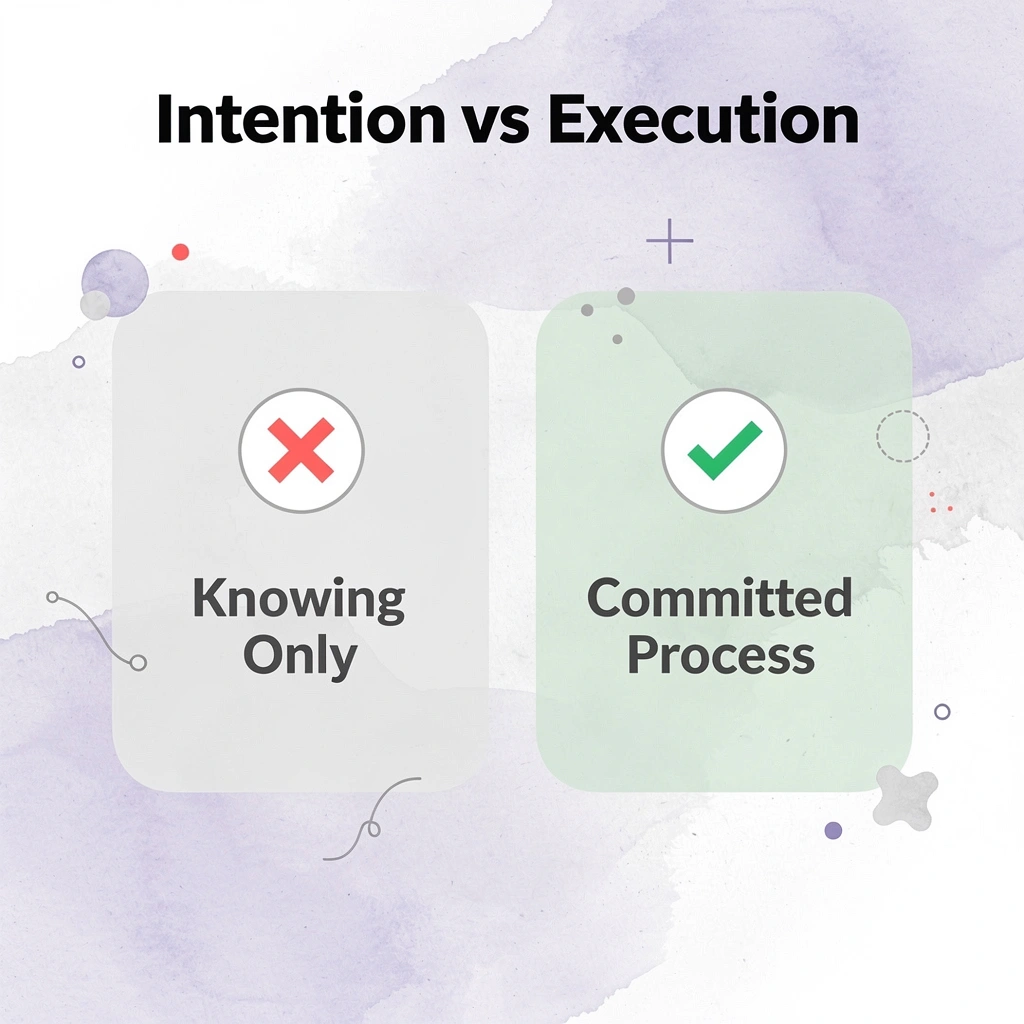
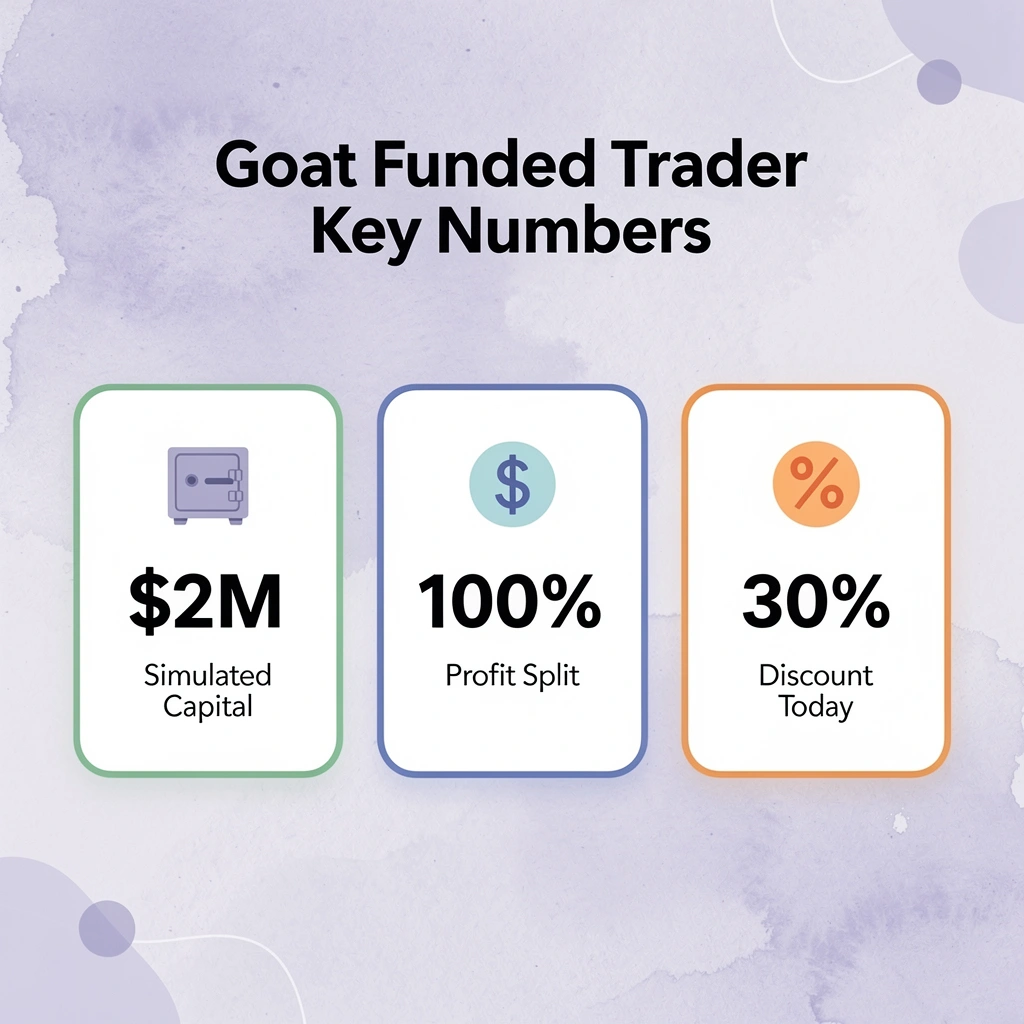
Goat Funded Trader changes the equation through structured evaluation models, defined trading rules, and access to simulated capital up to $2M with profit splits reaching 100%. You operate within a framework that rewards disciplined execution rather than relying on willpower alone. Right now, you can start with 25–30% off and begin working toward access to up to $800K in simulated capital.
Feature: Simulated Capital Access
- Details: Up to $2,000,000
Feature: Profit Split
- Details: Up to 100%
Feature: Current Discount
- Details: 25–30% off
Feature: Starting Capital Target
- Details: Up to $800K
💡 Tip: Take advantage of the 25–30% discount now — this is your lowest-cost entry point into a professional-grade trading framework.
If you do nothing, the same patterns continue. One impulsive trade becomes revenge trading. One ignored stop loss becomes a larger setback. When you commit to a structured path, every session strengthens the behaviors that support consistency. Visit Goat Funded Trader today, choose your evaluation model, and start proving your strategy in a system built to reward the discipline that transforms trading into a professional pursuit.
⚠️ Warning: Inaction is a decision. Without a structured framework, the same costly habits—revenge trading, ignored stop losses, and emotional decisions—will keep repeating.
🔑 Takeaway: A 25–30% discount and access to up to $800K in simulated capital is a rare combination. The only thing standing between you and consistent, disciplined trading is the decision to start today.
Related Reading
- Best Stock Trading App For Beginners
- Best Trading Apps For Beginners
- How To Read Crypto Charts For Day Trading
- Best Crypto Trading App
- How To Learn Crypto Trading
- Risk Management In Stock Trading
- How To Make Money Trading Crypto
- Best Day Trading App For Beginners
- Best Demo Trading Account
- How Do You Manage Risk In Futures Trading
Be Great and get the App