







10 Best Copy Trading Platforms For Investing in 2026
Discover the 10 best copy trading platforms for 2026. Compare features, fees, and tools to find the best copy trading platform for your goals.


You want to grow savings, but you have a job and no time to watch charts—what if you could copy a successful trader and skip the learning curve? In the Best Trading Simulator space, the right copy trading platform blends social trading and mirror trading with verified traders, demo accounts, clear performance metrics, and risk management tools. This guide cuts through platform fees, trade execution, signal provider records, mobile features, and transparency so you can confidently choose the best copy trading platform for 2026 and automatically mirror profitable traders, grow your investments, and save time without needing advanced trading skills.
Goat Funded Trader's prop firm gives a practical path by pairing funded accounts with verified performance and simple account linking so you can mirror proven strategies, control risk, and scale your portfolio.
Summary
- Copying trades can reduce time spent on market analysis by up to 50%, according to a 2026 Deriv Academy note, but this efficiency does not eliminate execution risk from slippage or latency.
- Followers of recent top performers face amplified losses: a leader's 10 percent drawdown can become a 15 to 25 percent hit for followers once scaling, correlation, and execution differences combine.
- Practicing copy strategies at scale reveals hidden frictions because simulating hundreds of thousands to millions in nominal exposure uncovers slippage curves, margin triggers, and order-size limits that micro accounts do not show.
- Realistic return expectations matter: industry studies cite roughly a 15 percent annual ROI for copy traders when disciplined selection and low friction are applied; however, fees or poor execution can quickly erode headline gains.
- Platform choice changes outcomes materially. The market is projected to reach about $3 billion by 2026 and over 10 million users worldwide, with automation and real-time features driving adoption and a 50 percent increase in user engagement on some platforms.
- Act like a scientist: run a three-month A/B simulation at your intended scale, cap intraday allocations to 1 to 3 percent and total copy exposure to 15 to 25 percent for swing strategies, and require 90 days of verified performance before increasing size.
- This is where Goat Funded Trader's prop firm fits in: it addresses scaling and verification gaps by pairing funded accounts with verified performance and simple account linking, so followers can mirror proven strategies, control risk, and scale their portfolios.
What is Copy Trading, and How Does It Work?

Copy trading is a practical shortcut for getting exposure to skilled traders without babysitting charts, and it works by automatically mirroring a leader’s live orders into your account in proportion to your chosen allocation. You still control allocation, risk limits, and when to pause or stop copying, so it is not a substitute for risk management.
How should you pick a leader and set allocations?
Look beyond headline returns to cadence, max drawdown, trade frequency, and correlation with other leaders you follow. This pattern appears across retail and simulated prop setups: followers often focus on “top performers” without testing how those traders perform during drawdowns, and that single mistake accounts for more wipeouts than poor entry timing. When evaluating leaders, insist on transparency into historical volatility, average trade size, stop methods, and a minimum live track record.
What happens on execution and sizing that most people miss?
Copying is proportional, not identical; platforms scale trades to your capital and platform rules, so sizing, leverage, and minimum order constraints change outcomes. Slippage and latency matter, especially for fast intraday strategies, and execution differences can turn a small leader profit into a follower loss. That is also why Copy trading can reduce the time spent on market analysis by up to 50%. Deriv Academy (2026) frames this as a key efficiency driver for time-limited traders, but efficiency does not remove execution risk.
Most teams handle development and testing through small live accounts because it feels cheaper and more “real.” The familiar approach works at low scale, but as position sizes grow, the gap between testing and funded trading widens: execution, capital constraints, and payout mechanics introduce new failure modes. Platforms like Goat Funded Trader provide large simulated capital pools, fast on-demand payouts, and stability-focused technology, enabling traders to rehearse scaling behavior at multi-million simulated capital levels before risking real capital, thereby compressing learning time without exposing personal funds.
What are the common behavioral and structural failure modes?
This challenge is consistent: followers become over-reliant, stop learning, and are surprised when the leader undergoes a regime change or a large drawdown. Fees and performance splits quietly erode net returns, and correlated bets across leaders create concentrated exposure that looks diversified on the surface. Manage this by capping individual allocations, diversifying by strategy, not just leader, forcing periodic review windows, and using hard stop-loss settings at the follower level.
Why bother practicing copy strategies in a simulated scale?
When you test a copying program only at micro sizes, you miss slippage curves, margin behavior, and how compounding affects equity trajectories. Practicing with scalable simulated capital exposes hidden dynamics without real-world downside, allowing you to tune risk controls and measure outcomes such as consistency rewards or withdrawal cadence before committing actual funds. That kind of controlled rehearsal is why over 70% of traders using copy trading platforms report increased profitability. Deriv Academy (2026) uses this to illustrate that disciplined selection and risk management convert leader skills into follower results more reliably. That simple-looking advantage holds a sting, though — and the next question pulls that sting into focus.
Is Copy Trading a Good Idea?

Copy trading lets you automatically replicate the positions of experienced traders on platforms such as eToro, ZuluTrade, and others, allowing you to participate in markets such as forex, stocks, and crypto with less hands-on effort. It appeals to many, especially newcomers, but success depends on careful selection, risk awareness, and realistic expectations. While it provides access to expertise, it's not a guaranteed path to profits—markets are unpredictable, and past results don't promise future gains.
Key Advantages of Copy Trading
Copy trading opens doors for new investors by removing the need for deep market knowledge upfront. You gain exposure to strategies from seasoned professionals, potentially benefiting from their analysis and decision-making without years of study. This setup serves as an educational tool, allowing you to observe real trades in action and gradually build your understanding. Many users find it time-efficient, as automation handles execution while you monitor results. Diversification becomes simpler by allocating funds across multiple traders with varied approaches, helping to balance risk. Studies and platform data show that careful copying can lead to solid outcomes, especially when following consistent performers.
Potential Drawbacks and Risks
Despite its appeal, copy trading carries significant downsides, primarily because it requires you to surrender control over decisions. If the trader you follow experiences losses or shifts to riskier tactics, your account mirrors those results directly. Past performance is no guarantee—successful traders can face prolonged drawdowns due to market shifts or personal errors. Research highlights increased risk-taking when people see others' successes, potentially leading to overexposure. An experimental study found that simply viewing top performers' results can encourage higher risk behavior. Additionally, fees, spreads, and platform costs can reduce net returns, while volatile markets amplify losses.
Supporting Statistics and Research
Data varies by platform and market, but some reports offer insights into outcomes. For instance, Bitget's 2023 copy trading report indicated that 93% of futures copy traders and 82% of spot copy traders achieved profitability during the period, with total gains exceeding 74 million USDT. On eToro, top performers have shown strong historical returns—such as one trader averaging 25% annually since 2013, with over 20% growth in both 2023 and 2024. Other analyses indicate that elite copy-trading firms typically target a 15-30% annual ROI and win rates above 60%, though individual results vary widely.
Broader trading statistics underscore the challenges: most retail traders incur losses, and even in copy setups, success hinges on selection. A common finding across sources is that while some followers profit modestly (e.g., 5-15% monthly in ideal cases), many underperform due to poor trader choices or market conditions.
Is It Suitable for Beginners?
For newcomers, copy trading offers a gentler introduction to trading than solo trading, allowing participation without immediate in-depth analysis. It provides learning opportunities through observation and can build confidence over time. However, beginners should start small, use demo accounts, and diversify across several traders to mitigate risks. Without basic market awareness, it's easy to overlook red flags like high drawdowns. Many experts recommend it as a stepping stone, not a complete solution.
A practical rule I use when validating a copying program: simulate the exact allocation schedule you plan to run for at least three months in scaled demo capital, record slippage and margin events, then only graduate to higher allocation if the equity curve and drawdown profile match expectations. That rehearsal separates lucky streaks from replicable skill. The frustrating part is that this looks easier than it is, which is precisely why most people misjudge risk and sizing. That simple puzzle about profit and risk is not finished yet, and the next question cuts straight to what really determines whether copying makes money.
Related Reading
- Best Trading Simulator
- Is Swing Trading Profitable
- Is Copy Trading Profitable
- Is Crypto Trading Profitable
- Is Options Trading Profitable
- Is Day Trading Profitable
- Are Crypto Trading Bots Profitable
- What Is Backtesting in Trading
- Where Can I Practice Day Trading
- Where Can I Practice Forex Trading Risk-Free?
- How Much Money Do You Need To Start Trading Stocks
- What Is Leverage In Trading
- Is Algorithmic Trading Profitable
- How Much Money Do You Need To Start Trading Options
- What Is The Most Profitable Trading Strateg
- What Is Leverage In Crypto Trading
- How Much Money Do You Need To Start Trading Futures
Is Copy Trading Profitable?

Copy trading can be profitable for many traders, but only when you treat it like an experiment, not a shortcut. Short-term studies and controlled trials show positive outcomes for followers, yet profits fade quickly if you neglect fees, scaling effects, and how behavior changes as allocations grow. Copy trading allows investors to automatically replicate the trades of experienced traders in real time, enabling participation in markets such as stocks, forex, cryptocurrencies, and CFDs without deep personal expertise. While it appeals to beginners and time-constrained individuals, profitability remains a mixed reality shaped by market conditions, trader selection, risk management, and platform dynamics. No method guarantees consistent gains, and losses can occur just as readily as profits.
Copy trading can deliver positive returns when users carefully choose skilled traders and apply sound risk controls. Many platforms highlight successful cases where followers achieve gains by mirroring consistent performers. For instance, certain crypto-focused platforms reported high success rates in specific periods, with over 93% of futures copy users and 82% of spot copy users seeing profits in a half-year snapshot, contributing to substantial cumulative gains across millions of trades.
On established networks, a notable portion of investors—about 73% when following top-ranked leaders—have realized profits, according to platform data. Historical examples from leading brokers show top-copied traders averaging solid annual returns, such as around 30% in select periods among the most followed. Data from various analyses paints a balanced but cautious picture. A comprehensive 90-day multi-exchange study of over 100,000 outcomes found that roughly 48% of copy traders were profitable, while only about 44% of the leaders they followed delivered positive results to their copiers. Platform-specific variations emerged, with some exchanges showing follower win rates as high as 66.5%, while others were lower, around 43-58%.
Earlier academic research indicated that copied trades tend to produce positive outcomes more frequently than independent ones, though the magnitude of returns on profitable copies often falls short of standalone successful trades. Industry reports also note surging interest, with copy trading searches up nearly 20% year over year and activity up more than 120% since 2020, reflecting broader adoption amid evolving automation trends.
Success hinges on several critical elements beyond simply activating the copy feature. Selecting traders with proven long-term consistency, low-to-moderate risk scores, and transparent histories significantly boosts the chances—platforms often display metrics such as drawdowns, win rates (typically 65-85% for strong performers), and performance over multiple years. Diversification across several traders, proper position sizing, and active monitoring help mitigate downturns. Market volatility, execution delays, fees (including spreads, commissions, and profit-sharing of 10-30%), and over-leveraging can quickly erode gains. Regulatory warnings, such as those from authorities highlighting high retail loss rates due to poor risk practices, underscore that many participants face challenges.
Copy trading carries substantial risks, including the potential for significant capital loss. Past performance does not predict future results, and even top traders experience drawdowns or losing streaks. Studies show greater losses during negative periods for copied positions, partly due to behavioral factors such as herd mentality or delayed information. Fees and slippage further reduce net profitability, and high-leverage environments amplify both gains and losses. Many sources emphasize that while some achieve steady returns through disciplined approaches, others break even or lose money. Profitability is far from assured and requires ongoing evaluation, not a set-it-and-forget-it approach.
Copy trading offers a legitimate avenue for potential profits in 2026, particularly for those who treat it as a diversified, monitored strategy rather than a shortcut to wealth. Statistics suggest moderate overall success rates—often below 50% across broad samples—but success rates are higher when following vetted, low-risk leaders with strong track records. Approach it with realistic expectations, thorough due diligence, and never risk more than you can afford to lose. Always review current platform disclosures, as markets and conditions evolve rapidly. Think of it like hiring a contractor for a multi-year renovation: you would not sign a large contract after a single week of work. Run the same due diligence with a copying program, and let the simulated scale reveal the surprises before you commit real capital. The part that always surprises traders is what shows up only after you scale, and that revelation is far from over.
10 Best Copy Trading Platforms For Investing in 2026
These ten platforms cover the full spectrum of copy trading choices in 2026, from fully automated replication to signal-driven learning, and the right pick depends on whether you want execution control, community signals, or turnkey automation. Pick by tradeability and governance: what assets you need, how much manual oversight you will accept, and which fee model preserves your net returns.
1. eToro
eToro remains a leading choice in 2026 for its pioneering CopyTrader system, which has democratized access to professional-level investing. With millions of users worldwide, it offers a user-friendly interface, a broad asset selection, and robust community tools, making it ideal for newcomers and seasoned investors alike who want to replicate real-time trades effortlessly.
Key Features
- A massive global community of over 2.5 million traders available to copy.
- Advanced filters for selecting traders by performance, risk level, nationality, and strategy.
- Multi-asset support, including stocks, crypto, forex, and ETFs.
- Regulated by top authorities for enhanced security and trust.
- Mobile apps for iOS and Android, plus a smooth web platform.
- No additional fees specifically for copy trading—commissions built into spreads.
- Real-time trade mirroring and portfolio diversification options up to 100 traders.
2. Echo Trade

Echo Trade stands out as a flexible overlay service in 2026, connecting smoothly to your preferred existing brokerage without requiring a full switch. It grants access to professionally managed portfolios from registered investment firms, delivering automated mirroring of high-level strategies that were once reserved for ultra-high-net-worth individuals.
Key Features
- Integrates with major U.S. brokers like E*TRADE, Schwab, Fidelity, and Robinhood.
- Provides real-time trade alerts and automatic execution for selected portfolios.
- Offers commentary, position tracking, and performance insights from pros.
- Features a free 14-day trial to test portfolios risk-free.
- Supports subscription-based access starting around $40 monthly for one portfolio.
- Maintains user control while automating replication of expert trades.
- Focuses on diversified, professionally curated strategies for steadier outcomes.
3. Stock Market Guides

Stock Market Guides excels in 2026 for delivering powerful, research-backed trade signals rather than fully automated copying. It provides instant notifications via email or text for stock and options trades, complete with predefined entry, exit, and profit targets, enabling users to act quickly on high-potential setups.
Key Features
- Real-time alerts for stock and options trades with clear rules upfront.
- Backtested annualized returns averaged 79.4% for stocks and 150.4% for options.
- Transparent trade details, including entry/exit criteria and risk parameters.
- Subscription pricing at $69 per month per service (stocks or options).
- Emphasizes education by revealing the full trade logic for learning.
- No auto-execution required—users manually implement for added control.
- Strong focus on high-probability opportunities vetted through rigorous analysis.
4. Mindful Trader

Mindful Trader, led by experienced trader Eric Ferguson in 2026, prioritizes direct, honest communication by sharing daily email updates on trades, market views, and results—including losses—fostering a genuine personal link rare in the space.
Key Features
- Daily emails detailing current trades, exits, and market commentary.
- Full transparency on wins and losses with no sugarcoating.
- Personal customer support is handled directly by the trader.
- Displays real equity curves and performance for credibility.
- Affordable subscription at $47 per month.
- The trader invests personal capital in every shared position.
- Builds trust through consistent, straightforward updates and access.
5. DupliTrade

In 2026, DupliTrade delivers a hands-off, fully automated experience, particularly for forex and CFD traders seeking vetted strategies. It partners with select brokers to mirror only top-tier, pre-screened providers with proven records.
Key Features
- Fully automated trade replication with minimal user intervention.
- Strict selection of only high-performing, experienced strategy providers.
- Customizable settings to align copying with personal risk preferences.
- Supports forex, CFDs, and select other assets through partnered brokers.
- Minimum deposit is typically around $5,000, depending on the broker.
- Focus on risk-aware automation with performance monitoring tools.
- Broker-dependent fees, often including setup costs and variable spreads.
6. NAGA

NAGA is a dynamic social trading network launched in 2026 that blends stocks, forex, and cryptocurrencies with seamless copy trading. It attracts tech-oriented users who value quick setup, zero-commission crypto trades, and community interaction, providing an engaging way to mirror others while exploring diverse assets.
Key Features
- Strong emphasis on cryptocurrency copy trading alongside stocks and CFDs.
- User-friendly interface with social sharing and gamified elements.
- Beginner-accessible tools for fast account creation and navigation.
- Over 1,000 assets available for copying and direct trading.
- Zero commissions on many crypto trades with competitive spreads.
- Minimum deposit of around $250 for broad accessibility.
- Community-driven environment encouraging interaction and learning.
7. ZuluTrade

ZuluTrade continues to shine in 2026 as a dedicated social trading network, ideal for international users seeking MT4/MT5 compatibility and broad asset coverage. It emphasizes simplicity, automated protection tools such as ZuluGuard, and connections to numerous brokers to enable flexible, hands-off replication of top strategies.
Key Features
- Supports forex, crypto, CFDs, commodities, stocks, and indices.
- Automated safeguards, including ZuluGuard for risk management.
- Low minimum trade sizes starting at $1 for precise control.
- Integrates with popular brokers worldwide for easy setup.
- Advanced filtering and performance metrics for strategy selection.
- Options for classic or profit-sharing account structures.
- Strong focus on transparent leader rankings and real-time execution.
8. MetaTrader 4 and 5 (with Signals/Copy Integrations)

MetaTrader 4 and especially MetaTrader 5 remain powerhouse platforms in 2026, favored by intermediate to advanced forex traders. These versatile tools connect to various brokers and support built-in signals, markets, or third-party copy add-ons, delivering speed, reliability, and extensive customization for precise trade mirroring.
Key Features
- Cross-platform availability on Windows, Mac, iOS, Android, and more.
- Vast array of built-in indicators, tools, and charting capabilities.
- smooth compatibility with most major brokers and copy services.
- Signals marketplace for subscribing to and automating expert trades.
- High execution speed and reliability for volatile markets.
- Free deposits/withdrawals through connected brokers.
- Advanced scripting and expert advisors for enhanced automation.
9. Forex Copier

Forex Copier offers specialized downloadable software in 2026 for serious forex traders using MT4 or MT5. It provides one-time purchase access with deep customization, enabling users to fine-tune copying rules, reverse modes, and filters for maximum control over mirrored trades.
Key Features
- Supports bidirectional copying between MT4 and MT5 terminals.
- Reverse copy mode to potentially benefit from opposing moves.
- Adjustable slippage, lot sizing, and order filtering options.
- Custom rules for trade size, pairs, and maximum orders.
- Highly flexible settings beyond standard platform limits.
- Local or remote copying capabilities for versatility.
- One-time fee model with no recurring subscriptions.
10. AvaTrade (with DupliTrade/ZuluTrade/AvaSocial)

AvaTrade rounds out the list in 2026 as a well-regulated, multi-platform broker offering robust copy trading through integrated solutions like DupliTrade for vetted strategies, ZuluTrade for signal providers, and its own AvaSocial app. It suits users seeking a single trusted broker with a range of automation options across forex, CFDs, and more.
Key Features
- Multiple copy systems, including DupliTrade, ZuluTrade, and AvaSocial.
- Broad asset range with forex, stocks, crypto, and commodities.
- Strong regulatory oversight for user security.
- User-friendly mobile and web apps for on-the-go monitoring.
- Educational resources and tools to complement copying.
- Competitive spreads and no extra copy-specific fees on many plans.
- Flexible minimum deposits and risk management integrations.
Think of these choices like kitchen tools, not recipes: pick a platform that fits the meal you plan to cook, and then practice the timing until the result is repeatable. That pattern of selection feels decisive on paper, but the next step reveals a practical test that separates lucky wins from repeatable results.
Related Reading
- What Is Leverage In Futures Trading
- How To Learn Stock Trading For Beginners
- What Is Leverage In Forex Trading
- How Does After-Hours Trading Work
- How Does Pre-Market Trading Work
- Does Robinhood Allow Day Trading
- Best Practices for Backtesting Trading Strategies
- Backtesting Day Trading Strategies
- How to Set Stop Loss and Take Profit in Trading
- Stop Loss Day Trading
- What Is Take Profit in Trading
- What Is Stop Loss in Trading
- Backtesting Trading Strategies
- Free Backtesting Trading Strategies
- Options Trading For Beginners
- Take Profit vs Stop Loss
- Apps to Practice Day Trading
- How to Practice Day Trading Without Money
How to Choose the Best Copy Trading Platforms For Your Goals
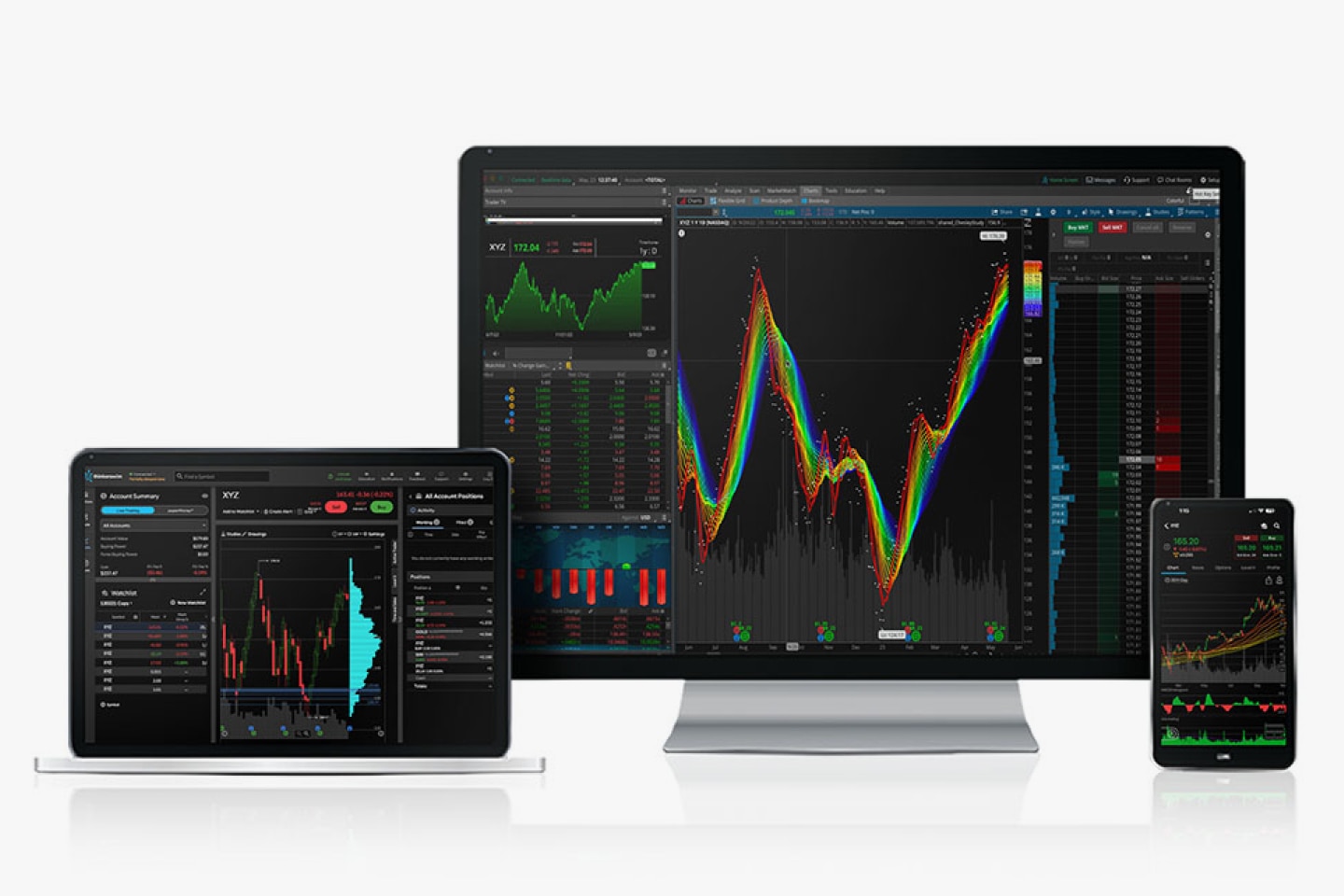
Select the platform that matches the exact behavior you need, then verify it under the specific conditions you will use to trade. Match execution fidelity, governance controls, and data access to your goal, and treat a short, realistic stress test as the final arbiter before you scale.
Define Your Trading Objectives
Start by clarifying what you want to achieve through copy trading, such as building long-term wealth, generating quick profits, or learning from pros. Different platforms cater to various goals; for instance, some emphasize forex while others focus on cryptocurrencies or stocks. Consider your risk tolerance, investment timeline, and preferred assets to narrow down options that match your vision. Once your goals are set, evaluate how a platform's features align with them. If you're a beginner seeking education, look for ones with built-in tutorials or demo modes. For aggressive traders, prioritize those offering high-leverage options or diverse trader pools. This step ensures the platform enhances your strategy rather than hindering it, leading to more consistent results over time.
Research Platform Reputation and Regulation
A reliable platform must operate under strict regulatory oversight to protect your funds and data from fraud or mismanagement. Check for licenses from regulators such as the SEC, the FCA, or CySEC, as these ensure compliance with industry standards. Unregulated services may offer tempting features but often carry a higher risk of sudden closures or unethical practices. Beyond regulatory requirements, review user reviews and industry ratings to assess trustworthiness. Platforms with a history of positive feedback and transparent operations tend to offer stronger security measures, such as two-factor authentication and segregated accounts. This research helps you avoid scams and select a service that prioritizes user safety, fostering confidence in your copy trading journey.
Examine Features and Tools Offered
The best platforms offer robust tools, including customizable risk settings, real-time analytics, and automated trade copying, to enhance your experience. Features such as stop-loss orders, portfolio diversification, and performance tracking allow you to tailor strategies to your goals without constant monitoring. Avoid basic setups if you need advanced capabilities for complex markets. Additionally, assess integration with other services, such as mobile apps for on-the-go access or API integrations for custom bots. High-quality tools can improve decision-making by offering insights into trader histories and market trends. Choosing a platform with comprehensive features ensures it evolves with your needs, making copy trading more efficient and aligned with your objectives.
Evaluate Costs and Fee Structures
Fees can significantly impact your returns, so compare commission rates, spreads, and subscription costs across platforms. Some charge per trade, while others have performance-based fees tied to profits. Transparent pricing, free of hidden charges, is crucial for budgeting and maximizing returns. Look more closely at how fees align with your trading volume and goals; low-cost options suit frequent traders, but premium services may offer better value through superior tools. Calculate potential net returns after deductions to ensure the platform doesn't erode your profits unnecessarily. This analysis helps select a cost-effective choice that supports sustainable growth.
Assess Trader Selection and Performance Metrics
A strong pool of verifiable traders is essential; review how platforms vet and rank their experts based on past performance, risk tolerance, and consistency. Metrics like win rates, drawdowns, and return on investment provide insights into potential outcomes. Platforms with diverse trading options allow you to match your trading style to your goals, whether conservative or aggressive. Scrutinize historical data and user feedback on traders to avoid those with inconsistent records. Effective platforms offer filters for searching by asset type or performance history, helping you build a balanced portfolio. This thorough evaluation ensures you're implementing reliable strategies that align with your objectives and reduce exposure to poor performers.
Consider Risk Management Capabilities
Robust risk controls, such as adjustable allocation limits and automatic pauses during periods of volatility, are vital to protecting your capital. Platforms should allow users to set maximum drawdown thresholds or diversify across multiple traders to mitigate losses. Without these, even successful copies can lead to significant setbacks if markets turn. Explore how the service educates users about risks and provides tools such as equity stops and alerts. Strong risk management features allow you to align copying with your tolerance levels, preventing overexposure. Prioritizing this aspect ensures your chosen platform safeguards your investments and supports your trading goals.
Review User Interface and Accessibility
An intuitive interface simplifies navigation, trade setup, and monitoring, especially for newcomers. Look for clean designs with easy access to dashboards, charts, and customization options. Mobile compatibility is key if you need to manage copies remotely, ensuring smooth operation across devices. Test the platform's speed and reliability during peak times to avoid delays that could affect trade execution. User-friendly setups reduce learning curves and errors, allowing focus on strategy rather than technical issues. Selecting one with excellent accessibility enhances overall satisfaction and helps achieve your goals efficiently.
Check Customer Support and Educational Resources
Responsive support through chat, email, or phone is crucial for resolving issues quickly, particularly in fast-paced markets. Platforms that offer 24/7 assistance and multilingual support better serve global users. Educational materials like webinars, guides, and forums can accelerate your understanding of copy trading dynamics. Assess resource quality based on how well they address goal-specific topics, such as risk strategies or trader analysis. Strong support builds trust and provides guidance when needed, while comprehensive education allows informed decisions. This combination ensures the platform supports your growth and adapts to evolving objectives.
Leverage Prop Firm Funding
Integrating funding from a proprietary trading firm can boost your copy trading by providing access to larger capital pools without requiring upfront personal investment. Prop firms evaluate your skills through challenges and then allocate funded accounts, where you keep a share of the profits. This approach amplifies potential returns from copied trades, ideal if your goals include scaling up operations efficiently.
Goat Funded Trader stands out as a top prop firm, offering up to $800,000 in funding with payout splits reaching 95% for successful traders. They support copy trading within their frameworks, allowing you to replicate strategies on amplified accounts while managing risks through their guidelines. This is well-suited for ambitious users, blending the ease of copy trading with the leverage of prop funding to pursue larger goals. Ready to boost your copy trading with professional-grade funding? Explore Goat Funded Trader today to unlock funded accounts that smoothly integrate with your chosen platforms and accelerate your path to trading success.
Get 25-30% off Today - Sign up to Get Access to Up to $800K Today
We know what it feels like to outgrow small demos, like switching from a go-kart to a highway, so consider Goat Funded Trader for realistic rehearsal: access simulated accounts up to $800K with customizable challenges or instant funding, no minimum targets, no time limits, and triple paydays with profit splits up to 100%. You can join over 98,000 traders who've collected more than $9.1 million, rely on a two-day payment guarantee with a $500 penalty for delays, and claim 25 to 30 percent off when you sign up to access funding today.
Related Reading
- Best Automated Trading Platform
- Best Paper Trading Platform
- Best Stock Trading Simulator
- Best App For Day Trading
- Best Day Trading Platform For Beginners
- Best Software for Backtesting Trading Strategies
- Best Chart Trading Platform
- Best App for Backtesting Trading Strategies
- Best Stock Trading Platform For Beginners
- How To Practice Day Trading
- Best Automated Trading Platform
- Best Trading Simulator Free
- Best Forex Trading Platform
- Best Crypto Trading Simulator
- Best Futures Trading Platform
- Best Trading Simulator App
- Best Options Trading Simulator
- Best Options Trading Platform
- Best Futures Trading Simulator
Be Great and get the App