






15 Best Trading Simulators to Practice Trading in 2026
Learn, practice, and master trading risk-free with the best trading simulator. Real-time market data, virtual funds, and smart analytics.


Want to learn to trade without risking your savings? The Best Trading Simulator or a demo account provides virtual trading, paper trading, market replay, backtesting, and portfolio simulation, so you can test order execution and refine your strategy in realistic market conditions. This guide shows how to choose the right simulated trading platform so you can practice risk-free, build a profitable strategy, and gain real-world market experience before investing real money.
To help with that, Goat Funded Trader's prop firm pairs demo trading challenges and trade simulation with a path to funded accounts, so you can prove your skills, sharpen your system, and step into live markets with more confidence.
Summary
- Over 80% of traders use simulators to practice, and demo environments can reduce new traders' risk of loss by up to 50%, underscoring that simulation is a primary risk-management tool for learning mechanics.
- A practical product landscape of 15 representative simulators shows clear specialization, from quick-access demo accounts to tick-replay engines and full paper environments, so choose the tool based on the specific failure mode you need to fix.
- Execution realism must be validated with focused tests, for example, run three replay experiments and compare average slippage and partial-fill frequency to live broker fills to expose hidden execution bias.
- Require statistical thresholds before scaling, for instance, demand a minimum sample size, such as 200 executed trades or three months of consistent edge, because small samples and short runs produce misleading confidence.
- Behavioral conditioning matters, given that about 80% of new traders lose money in their first year, and staged exposure that preserved rules through a 6 percent simulated drawdown correlated with stronger live discipline in coaching cases.
- Objective evidence links disciplined simulation to better outcomes: studies report that roughly 80% of users improve their skills within three months, and traders using simulations are about 50% more likely to develop a successful strategy.
- This is where Goat Funded Trader fits in, as a prop firm that offers simulated accounts up to $800K and staged scaling with audited session records to bridge validated simulation and live funding.
15 Best Trading Simulators to Practice Trading
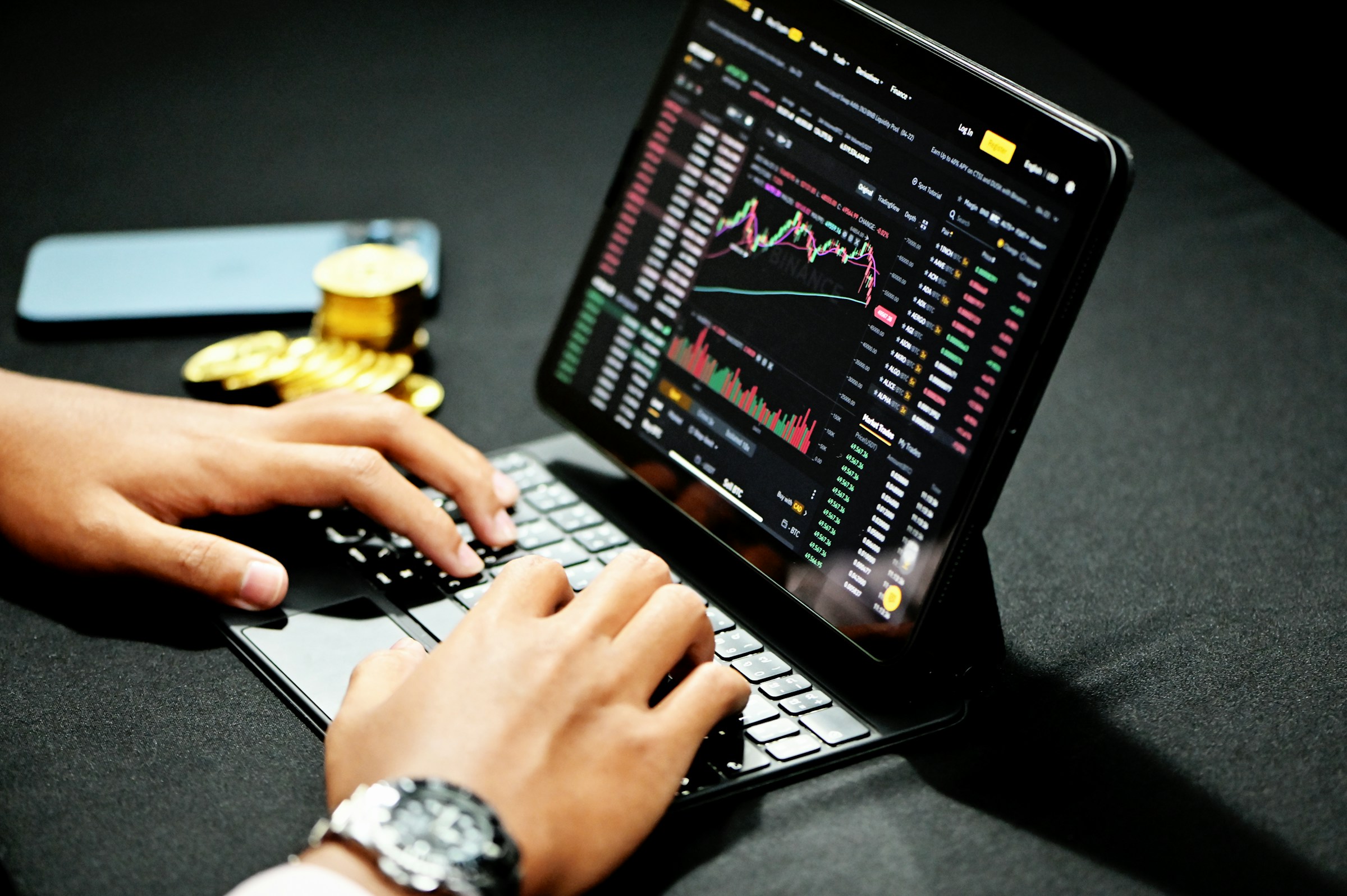
These 15 simulators cover a clear range: quick-access demo accounts for learning order entry, replay and tick-accurate tools for refining execution, and full-featured paper environments for strategy validation before scaling. Pick the problem you need to solve — practice execution, test automation, stress risk, or prove consistent performance at scale.
1. Forex Tester Online
Forex Tester Online is a powerful web-based simulator that allows traders to backtest and practice using historical forex data. With no downloads required, it’s accessible on any device and provides a realistic market environment that mirrors live trading conditions. The platform supports both manual and automated backtesting, helping users refine strategies before applying them in real markets.
Key Features
- Extensive historical data: Access years of forex data for deeper strategy testing.
- Realistic market simulation: Simulates spreads, slippage, and execution delays for accuracy.
- Custom strategy testing: Create or import your own expert advisors (EAs) for hands-free testing.
- Multiple timeframes: Practice day trading or long-term investing across various timeframes.
- Browser-based convenience: No installation needed — perfect for trading on the go.
2. Trade Nation Simulator
Trade Nation offers a free and simple online simulator that removes the barriers typically found in demo trading. You can access it instantly — no registration, downloads, or personal details required. It’s an excellent choice for absolute beginners wanting to understand order placement and price movement without financial pressure.
Key Features
- Instant access: Start practicing immediately without creating an account.
- User-friendly layout: Designed with simplicity to help beginners focus on learning.
- Educational structure: Step-by-step guides on how trades work in real markets.
- Accessible to all: Open to anyone, not just existing Trade Nation clients.
- Responsive support: Get help quickly from a knowledgeable service team.
3. FX Replay
FX Replay is a browser-based backtesting and replay platform built to help traders practice using real historical price action. Inspired by TradingView’s interface, it allows traders to simulate trade execution, pause or rewind markets, and analyze entries more thoroughly. Although some users report occasional lag, its trade replay functionality makes it an excellent study tool for strategy refinement.
Key Features
- Replay functionality: Recreate past markets as if trading in real time.
- Familiar interface: Mirrors the TradingView workspace for easy navigation.
- Custom indicators: Integrate drawing tools and your own chart setups.
- Multi-market support: Access historical data for forex, stocks, and indices.
- Customer service: Quick responses from support for bug fixes and inquiries.
4. ProRealTime
ProRealTime stands out for its advanced charting and technical analysis tools. With over 100 built-in indicators and automatic trendline detection, this platform is ideal for traders who rely heavily on technical setups. It offers free web-based access, allowing traders to simulate markets and scan assets using its robust ProScreener feature.
Key Features
- Automatic chart analysis: ProRealTime automatically draws trendlines and resistance levels.
- Wide range of indicators: Includes tools for moving averages, oscillators, and more.
- Cross-platform usability: Works smoothly on desktop, web, and mobile devices.
- Customizable charts: Tailor layouts to your trading strategy.
- Asset scanning: Quickly identify trading opportunities using ProScreener filters.
5. StockCharts
StockCharts is a web-based platform focused on enhancing traders’ charting and technical analysis skills. It provides access to extensive stock data, ETFs, and mutual funds, along with educational resources to help traders master chart reading and market analysis. While it lacks a true order-execution simulator, it’s a solid choice for technical analysis practice.
Key Features
- Interactive charts: Analyze stocks and ETFs using multiple chart types.
- Custom indicators: Apply overlays and momentum tools to refine analysis.
- Educational tools: Access tutorials and articles from trading professionals.
- Community insights: Join forums and connect with other chart enthusiasts.
- Free option available: Explore basic charting capabilities without a paid plan.
6. Soft4FX
Soft4FX is a widely respected forex simulator designed as an extension for MetaTrader 4 (MT4). It leverages historical tick data, enabling traders to practice and refine their strategies directly in a familiar environment. With lifetime access for a one-time purchase, it’s an affordable, professional-grade tool for currency traders.
Key Features
- MT4 integration: Operates smoothly inside the MT4 platform.
- One-time payment: A lifetime license eliminates recurring fees.
- Flexible replay options: Adjust simulation speed for precise scenario testing.
- Strategy flexibility: Test scalping, swing, or long-term strategies.
- Detailed performance reports: Track metrics like profit factor and drawdown.
7. NakedMarkets
NakedMarkets offers a highly realistic forex trading simulation experience with detailed tick-by-tick data and advanced optimization tools. Built for traders seeking precision, it allows custom strategy testing and risk-management simulations within historical markets. While premium access can be pricey, its professional-grade realism makes it one of the most trusted simulators available.
Key Features
- High-quality historical data: Delivers realistic spreads and execution details.
- Extensive customization: Adjust parameters such as stop-loss, leverage, and entry logic.
- Fast backtesting: Execute multiple tests quickly with efficient algorithms.
- Built-in risk analysis: Evaluate capital usage and potential drawdowns.
- Clean interface: Intuitive layout suitable for both beginners and pros.
8. MetaTrader 4 / 5 Demo Account
MetaTrader remains the global standard for forex trading, and its free demo mode is a straightforward yet powerful simulator. Traders can practice live market conditions using real-time pricing, customize charts, and test expert advisors (EAs). Whether you’re learning the basics or perfecting automation, MT4 and MT5 demo accounts are essential for all skill levels.
Key Features
- Real-time data: Practice trading with live quotes and spreads.
- Custom indicators: Use or create proprietary analysis tools within the platform.
- Multi-asset support: Trade forex, CFDs, stocks, and commodities.
- Available 24/7: Access your virtual account anytime from a desktop or mobile.
- Broker integration: Most brokers offer free demo setups with full functionality.
9. TradingView Paper Trading
TradingView’s paper trading mode lets users place virtual trades directly on live charts using real market data. The system operates on a $100,000 simulated balance, offering a safe environment to test strategies across multiple asset classes. Combined with its social community of millions, it’s one of the most interactive and collaborative simulators online.
Key Features
- Realistic charting: Practice with real-time market data from global exchanges.
- Social trading network: Follow, share, and learn from other traders’ setups.
- Cross-market access: Trade stocks, forex, crypto, and indices in one place.
- Scripted automation: Use Pine Script to design custom strategies.
- Cloud-based convenience: Access charts and trades from any device.
10. Thinkorswim by TD Ameritrade
Thinkorswim’s paperMoney account gives traders a realistic way to practice trading stocks, options, futures, and forex. Known for its deep analytical tools and professional-grade charting, it offers a genuine experience for those preparing for fundamental markets. The platform’s extensive educational content also helps users build confidence before going live.
Key Features
- Comprehensive simulator: Paper trade stocks, options, and forex instruments.
- Advanced charting tools: Analyze with hundreds of built-in technical studies.
- Realistic fills: Simulate real-world execution and order flow delays.
- Professional-grade metrics: Track profit, loss, and position risk in detail.
- Educational hub: Integrates directly with TD Ameritrade’s learning library.
11. eToro Virtual Portfolio
eToro’s virtual portfolio is a standout for traders who want to explore multiple markets while learning from others through social trading. With a $100,000 virtual balance, you can practice trading stocks, cryptocurrencies, indices, and more. It’s beneficial for beginners drawn to eToro’s “copy trading” feature, which lets users mimic successful traders’ strategies in a simulated environment.
Key Features
- $100,000 virtual funds: Start risk-free with a generous balance.
- Social trading: Observe and copy top traders’ strategies in real time.
- Multi-asset access: Trade stocks, crypto, commodities, and forex.
- Web and mobile accessibility: Use the simulator on any device smoothly.
- Transition-ready: Instantly switch between demo and live trading accounts.
12. NinjaTrader Simulation Account
NinjaTrader’s free simulation account is ideal for futures and forex traders seeking an authentic market experience. It mirrors the platform’s live environment, allowing users to execute trades and test automated strategies under realistic conditions. With advanced analytical tools and extensive educational resources, it’s designed for serious traders who are refining their professional systems.
Key Features
- Advanced analytics: Includes over 100 built-in indicators and real-time charting.
- Comprehensive testing: Backtest and forward-test strategies before going live.
- Full market simulation: Experience live spreads, volatility, and order execution.
- Custom automation: Design trading bots with NinjaScript programming.
- Free access: Practice indefinitely with no funding required.
13. Interactive Brokers Paper Trading
Interactive Brokers’ paper trading account provides a professional-level simulation for traders focusing on global markets and multi-asset portfolios. The simulator replicates all the functionalities of its Trader Workstation (TWS), giving you access to real-time data, advanced order types, and analytical tools. It’s best suited for intermediate and advanced traders.
Key Features
- Global access: Trade stocks, options, futures, and forex worldwide.
- Professional platform: Practice using the full-featured TWS software.
- Real-time environment: Simulates live market execution conditions.
- Custom strategies: Test algorithmic trading scripts safely.
- Portfolio management: Experiment with diversification and asset allocation.
14. Investopedia Stock Simulator
Investopedia’s stock simulator is designed primarily for learning and experimentation. It uses virtual cash to replicate real-world market conditions, allowing traders to test strategies on U.S. equities and ETFs. The simulator’s educational emphasis and competitive trading challenges make it a fun and practical learning experience for beginners.
Key Features
- Virtual money environment: Practice trading U.S. stocks risk-free.
- Educational integration: Learn investing principles alongside trading practice.
- Market challenges: Compete with other users in simulated trading contests.
- Custom game creation: Set portfolio rules and invite friends or teammates.
- Beginner-friendly layout: Simplified interface tailored for learning investors.
15. Forex.com Demo Account
Forex.com provides one of the most recognized demo accounts in the forex trading industry. Offering access to live market conditions and all major currency pairs, it’s an excellent choice for those practicing technical analysis and trade execution. The simulator is designed to mirror the platform’s live trading setup, making it easy to transition when you’re ready.
Key Features
- Real-time pricing: Trade with live quotes and chart movements.
- Comprehensive analysis tools: Access over 80 technical indicators.
- Cross-platform access: Available on desktop, web, and mobile devices.
- Risk-free learning: Practice without the pressure of real capital.
- Professional environment: Same interface and tools as the live platform.
Status quo disruption: why scale changes what you need
Most traders begin on free demos and replay tools because they are familiar and low-cost. That approach works for learning order flow and chart reading, but it breaks down when you need to prove a consistent edge under increasing capital and rules.
As position size rises, psychological pressure, drawdown management, and execution variance reveal gaps that basic demos do not stress. Platforms like Goat Funded Trader provide an alternative path, offering up to $2M in simulated capital, converting validated performance into fast, on-demand payouts, delivering $13M+ to 250,000+ traders, and using in-house tech to keep rewards secure and timely.
How to choose what to use next
- Match the tool to the constraint. If your problem is execution timing, choose a tick-replay engine. If your problem is portfolio construction, pick a multi-asset paper environment. Think of simulators like training rooms: a sprint coach tests cadence on a track, a weight room builds raw capacity, and the competition is where both skills are tested together.
- Test with rules. Whatever tool you pick, lock in entry, exit, and risk rules before large-scale testing. Treat the simulator as an experiment platform, not a sandbox for impulse trades.
- Recalibrate often. Move a sample of your best rules between two different simulators and compare behavioral outcomes to spot model risk or platform bias.
Selecting a simulator is a tactical decision that should be driven by the specific weakness you want to fix next, not by feature lists alone.
The mechanics that make a simulator truthful or misleading are more revealing than you expect.
What are Trading Simulators and How Do They Work?
.jpeg)
Trading simulators recreate market mechanics so you can test execution, risk rules, and behavioral responses without risking capital, and they do that by modeling orders, fills, and market structure with varying fidelity. Good sims give you controllable realism, bad ones offer illusion; your job is to push the environment until its weaknesses show.
How do simulators model orders and execution?
Simulators usually sit between two design choices: aggregated snapshots or tick-level realism. Aggregated simulations apply fills to candle bars, which is fast and helpful for idea validation, but they smooth over microstructural effects such as spread chasing and order book imbalances.
Tick-level engines replay every price change, allowing you to observe slippage and execution sequencing. When available, they can use historical depth-of-book data to estimate market impact. The practical test is simple: compare the sim’s average slippage per instrument to the live broker’s historical slippage and tune the sim to match, or run the same order set through your broker’s demo and compare fills.
How believable is a simulation, and how do you validate it?
A believable sim models fees, borrow costs, latency, partial fills, and the probability distribution of fills at different sizes. Validate by running three experiments: 1) replay a known market event and confirm P&L and fills track the live record within an acceptable error band, 2) run walk‑forward tests so your in-sample and out-of-sample windows are separated by time, and 3) Monte Carlo the fills and entry timing to see how fragile your edge is to execution variance. Those methods expose overfitting and show whether a strategy holds up to realistic noise, not just ideal chart patterns.
What standard simulation failure modes should you watch for?
This pattern appears consistently across demo accounts and replay tools. The sim teaches correct mechanics until scale or randomness exposes a hidden assumption. Typical failures include ignoring execution friction at larger sizes, assuming zero slippage during news spikes, and over-relying on indicator tuning that collapses out of sample. The fix is constraint-based: apply real-world limits in the sim, such as realistic order sizes, margin calls, and variable spreads, then require your strategy to meet consistency thresholds across those constraints.
How do you bridge the psychological gap simulators leave open?
The emotional pressure of absolute P&L is real work; it does not appear automatically in a demo. Traders often report anxiety, tunnel vision, or rule abandonment the first time a position bleeds on a funded account, which tells us stress conditioning must be intentional. Use staged exposure, for example, require a sequence of simulated sessions with enforced drawdown rules, add timed decision windows that mimic market urgency, and pair that with short live stakes where you risk only a fraction of normal size to test discipline. Treat these steps like graded exams before you increase real capital.
What should an operational validation plan include?
Set acceptance criteria that combine statistical thresholds and behavioral evidence: require sufficient trade counts, defined max drawdown limits, and repeated clean execution across multiple feeds, plus a documented scaling plan that raises risk only in measured steps. One practical rule is to demand both a robust edge across randomized fills and a behavioral record showing no rule breaches over consecutive test cycles, because consistency in the data without consistency in decisions is a brittle win.
Most traders rely on free demos because they are familiar and easy to start with. That works early, but as position sizes and complexity grow, fragmented rules and inconsistent fills create hidden costs that erode real-world performance. Platforms like funded-prop programs offer a bridge, centralizing evaluation with clear risk rules and staged scaling so traders can be measured and rewarded without guessing whether their edge survives true market friction.
A good metaphor: a simulator is rehearsal for opening night, it lets you learn lines and blocking, but you still need to practice under stage lights and with an audience to handle the surprises.
That sounds thorough, but the part that separates competent traders from consistent earners is quieter and more unexpected.
Related Reading
- Best Trading Simulator
- Is Swing Trading Profitable
- Is Copy Trading Profitable
- Is Crypto Trading Profitable
- Is Options Trading Profitable
- Is Day Trading Profitable
- Are Crypto Trading Bots Profitable
- What Is Backtesting in Trading
- Where Can I Practice Day Trading
- Where Can I Practice Forex Trading Risk-Free?
- How Much Money Do You Need To Start Trading Stocks
- What Is Leverage In Trading
- Is Algorithmic Trading Profitable
- How Much Money Do You Need To Start Trading Options
- What Is The Most Profitable Trading Strategy
- What Is Leverage In Crypto Trading
- How Much Money Do You Need To Start Trading Futures
Why Use Trading Simulators?
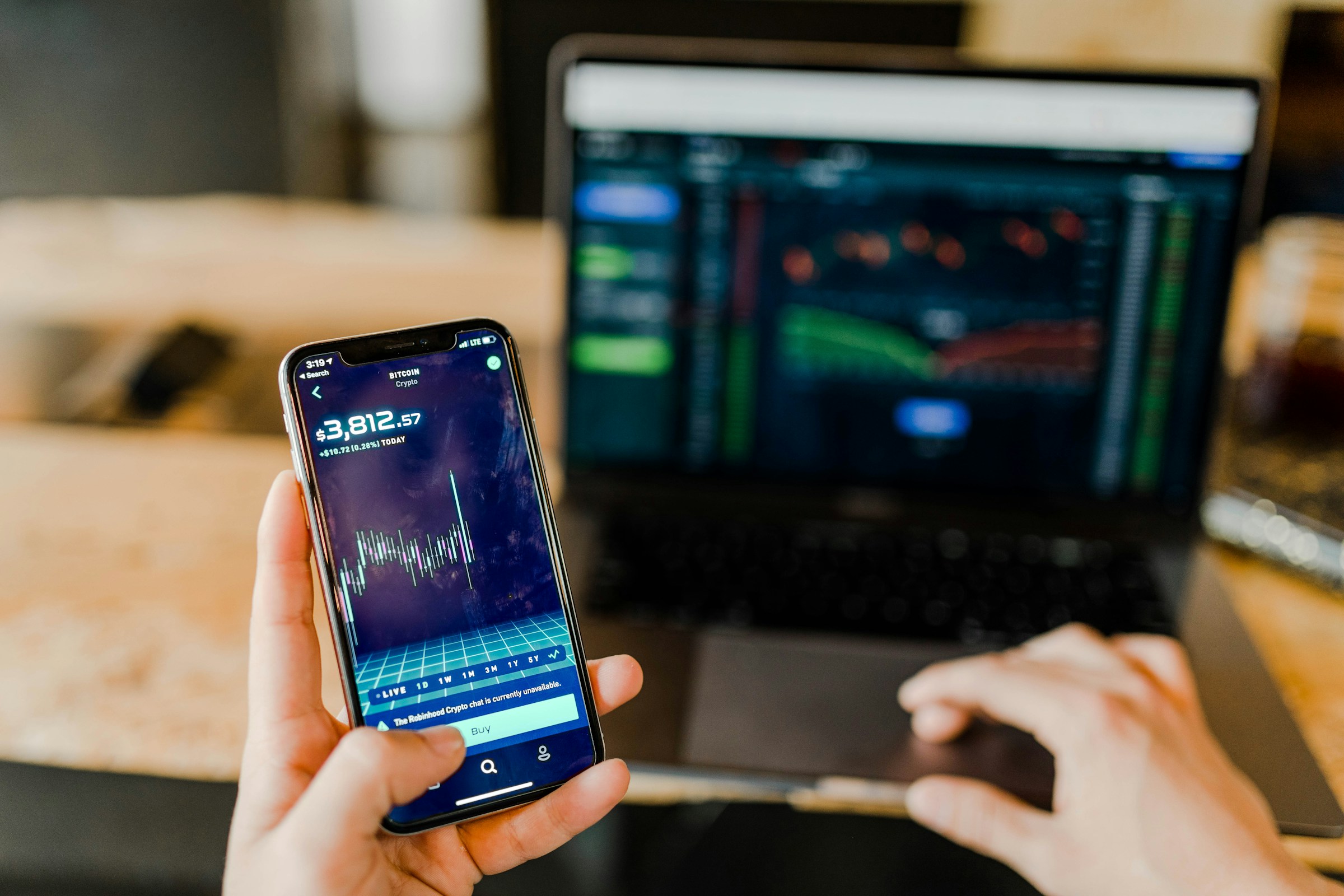
Traders should use simulators because they let you prove a repeatable process before putting real money on the line, turning hope into measurable performance. A simulator is where you create objective acceptance criteria, record the behavior that produced them, and then stress those rules until they either hold or break.
Learning the Basics
For beginners, trading simulators are like training wheels. They introduce users to trading platforms, terminology, and market behavior in a safe, hands-on environment. You can explore how orders work, how price charts move, and how to read market data without fearing loss.
Testing and Refining Strategies
Experienced traders use simulators to experiment with new strategies before committing live capital. Whether you’re testing a moving average crossover system or a swing trading setup, simulators allow you to validate your approach using real-time or historical data. This eliminates guesswork and improves strategy precision.
Building Confidence Without Risk
Confidence is key in trading—and confidence grows with practice. Trading simulators let you make trades and apply techniques without the psychological burden of real losses. Over time, this helps you cultivate calm decision-making and emotional resilience for live-market conditions.
Understanding Market Dynamics
Simulators display real-time market movements. This lets traders see how prices react to news, economic data, or market sentiment. Observing these patterns helps you learn how global events influence your chosen assets and enhances your timing skills.
Developing Trading Discipline
Discipline separates successful traders from impulsive ones. A trading simulator helps you practice setting stop-losses, managing risk, and following structured plans—without the temptation to deviate due to fear or greed. This builds consistency and patience, both vital for long-term success.
Managing Risk Strategically
Simulators teach proper risk management by allowing traders to experiment with position sizes, leverage levels, and stop-loss placement. You can see how different levels of risk affect performance, helping you discover a sustainable approach that aligns with your comfort zone and goals.
Adapting to Market Volatility
Markets can shift rapidly. Simulated environments expose you to these fluctuations without financial pain. Practicing under various market conditions—like high volatility, sideways trends, or sudden crashes—prepares you to act decisively when real money is on the line.
Evaluating Broker Platforms
Many brokers offer built-in demo accounts powered by trading simulators. These allow you to test how a platform performs—order speed, interface quality, and charting tools—before selecting one for live trading. It’s a smart step before committing time or money to a specific broker.
Tracking Performance and Improvement
Simulators often include analytics dashboards showing trade history, win/loss ratios, and performance reports. Reviewing this data helps identify strengths and weaknesses in your approach, enabling continuous improvement before entering the live market.
Bridging the Gap Between Theory and Reality
Reading about trading is one thing; executing profitable trades is another. Trading simulators bridge that gap. They let you apply what you’ve learned from books or courses to real market scenarios, helping you convert theoretical knowledge into practical skill.
How should you measure simulator success?
Pick metrics that force decisions, not vanity. Track trade count, median trade duration, expectancy per trade, maximum consecutive loss streak, and the percent of trades that follow your documented entry and exit rules. Demand a minimum sample, for example, 200 executed trades or three months of consistent edge, whichever comes first, because small samples lie and consistency protects you when size increases.
What behavioral checkpoints prove readiness?
Look for two things together: rule fidelity and stress tolerance. Rule fidelity is a measurable habit: entering within your defined setup window, always using your defined stop-loss placement, and not cutting winners early unless the rules permit. Stress tolerance shows up as unchanged behavior under drawdown, not as feeling calm. After we coached a trader who had paper-traded for one year before going live, the pattern became clear: they maintained their rules through a 6 percent simulated drawdown, and that discipline was the difference between a fragile win and a scalable process.
How do you create realistic pressure inside a simulator?
You manufacture stakes before risking capital. Limit simulated sessions to real-world hours, add imposed drawdown pauses that require review, or allocate a small live account that mirrors the same rules but with fractionally scaled risk. Treat the simulator like progressive exposure: increase trade size only after meeting repeatability gates, and force decision deadlines to mirror market urgency. Think of it as staging rehearsals under lights so the first live trade is not the first time you have felt heat.
What experimental design produces trustworthy validation?
Run A/B style replay tests and walk-forward splits, but add an operational layer: keep a blinded log of your decisions and time stamps so you can audit whether your edge survives timing variances and incomplete information. Use rolling windows to show performance stability across different volatility regimes, and ensure your edge can withstand randomized slippage and fee scenarios. Evidence matters, and the simplest rule is this: if a strategy needs perfect conditions to work, it will fail when objective complexity arrives.
Why the right platform matters as you scale
Most traders start with free demos because they are familiar and low-friction, and that works for learning mechanics. The hidden cost appears when you try to prove performance at scale: inconsistent fills, undefined scaling rules, and slow reward paths create needless friction and doubt. Platforms like Goat Funded Trader provide a performance-first bridge, offering staged scaling, clear payouts on validated results, and infrastructure that converts disciplined simulated performance into timely, on-demand funds, saving time and removing guesswork as traders scale.
Proof that structured simulation moves you forward
This is not a theory. Disciplined practice speeds skill acquisition,which means the exercise of testing under constraints materially raises the odds of finding a repeatable edge.
One last image to hold onto: simulation is not a safety blanket; it is a certification lab, where behavior gets audited, rules get hardened, and the costs of being wrong are paid in learning rather than capital.
That next question digs into who actually benefits most from this kind of rigorous rehearsal, and the answer is not what you expect.
Who Needs a Trading Simulator?
.jpeg)
A trading simulator is for anyone who must turn uncertainty into repeatable results, not just for learning mechanics. Use it when you need to stress test technology, prove behavioral discipline under rules, or certify a process before real capital moves.
Who uses simulators to validate technology and infrastructure?
The teams building automated strategies, exchange integrations, and brokerage pipelines rely on simulators to run controlled stress experiments. We run multi-day replay tests that replicate peak-hour order flow, execute thousands of synthetic orders, then measure fill variance and latency across feeds, because a strategy that looks good on a clean chart can fail when execution jitter multiplies. Engineers and QA use these runs to set realistic failure thresholds, catch edge cases in margin handling, and tune reconciliation so live deployments do not surprise the desk.
Who needs simulators for institutional risk and compliance checks?
Risk officers, compliance teams, and advisors use sim environments to verify limits, margin calls, and tax or reporting outcomes before they touch client accounts. Given that Only 10% of traders are consistently profitable, Market Analysis Report, testing controls and scenarios is not optional; it is how teams avoid amplifying predictable failure into systemic loss. Practical tests include tail-event replay, concentrated-position drills, and simulated forced liquidations, each documented so policy changes become provable rather than hopeful.
Who benefits from behavioral conditioning and onboarding?
When we coached newer traders over a six-month program, the consistent failure mode was not strategy design; it was rule abandonment under small drawdowns, so we built staged exposure into their practice. That pattern matters because 80% of new traders lose money in their first year, according to Trading Journal, which shows early conditioning and graded stakes materially change survival odds. Use simulators to create those graded stakes, enforce decision windows, and require an audited sequence of clean sessions before anyone scales risk, because habit is the single variable that separates repeated wins from lucky runs.
Most people rely on fragmented demos because they are familiar and cheap, and that approach is understandable. But as complexity rises, scattered logs, inconsistent scoring, and manual verification consume time and obscure performance drift. Platforms like Goat Funded Trader provide centralized scoring and audited simulation records so teams find validated runs faster, reduce administrative friction, and convert disciplined performance into on-demand funding without guesswork.
Who else benefits in unexpected ways?
Financial educators, professional mentors, and advisors use simulators as controlled classrooms to measure teaching outcomes, not just student activity. Brokers and liquidity providers run sims to test new order types and fee models before releasing them live. Performance coaches pair simulated sessions with biometric or journaling checkpoints to map emotional states to decision quality, producing a behavioral baseline that numbers alone cannot supply. Each of these uses treats the simulator as an experiment platform, where hypotheses are falsified quickly and safely.
Goat Funded Trader gives you access to simulated accounts up to $800K with the most trader-friendly conditions in the industry, no minimum targets, no time limits, and triple paydays with up to 100% profit split. Join over 98,000 traders who've already collected more than $9.1 million in rewards, all backed by our 2-day payment guarantee with $500 penalty for delays; choose your path to funding through customizable challenges or start trading immediately with our instant funding options, Sign up to Get Access to Up to $800K Today, and 25-30% off, this prop firm makes scaling measurable and fast.
That next choice about which simulator to trust is quiet, sharp, and can change everything you think you know about scaling your edge.
Related Reading
- What Is Leverage In Futures Trading
- How To Learn Stock Trading For Beginners
- What Is Leverage In Forex Trading
- How Does After-Hours Trading Work
- How Does Pre-Market Trading Work
- Does Robinhood Allow Day Trading
- Best Practices for Backtesting Trading Strategies
- Backtesting Day Trading Strategies
- How to Set Stop Loss and Take Profit in Trading
- Stop Loss Day Trading
- What Is Take Profit in Trading
- Take Profit vs Stop Loss
- What Is Stop Loss in Trading
- Backtesting Trading Strategies
- Free Backtesting Trading Strategies
- Options Trading For Beginners
- Apps to Practice Day Trading
- How to Practice Day Trading Without Money
How to Choose the Best Trading Simulator For Your Goals

Choose the simulator that forces you to practice the exact failure modes you expect to face, and validate it with repeatable experiments that mirror your live trade workflow. Treat the trial as quality control: if the simulator cannot reproduce the frictions you are concerned about, it will reinforce bad habits and cost you time when you scale.
What behavior must the simulator enforce?
This pattern appears among intraday and longer-term traders: they select tools that teach mechanics but not the mental and rule-based discipline they need. A good simulator will make rule fidelity non-negotiable, for example, by logging time-stamped decisions, forcing stop placement, and flagging any manual rule overrides. Demand auditable session records so you can prove you followed your rules under varying volatility and not just when charts look clean.
How should you test execution realism?
Problem first: execution is where paper wins fall apart, because fills, partial fills, and latency change outcomes. Run three focused experiments against every candidate platform, using the same set of orders: (1) fixed-size market and limit orders at different times of day, (2) sequences that span scheduled news events, and (3) repeated large orders to expose partial fills. Compare average slippage, variance of fills, and frequency of partial fills across runs. If a sim smooths execution into perfect fills, it is teaching confidence, not competence.
Which data and integrations are critical to your goal?
If you plan to transition to automated systems or to large position sizes, prioritize platforms with direct API access, reproducible historical feeds, and options to inject variable spreads and fees. For discretionary traders, prioritize high-fidelity replay with depth-of-book emulation and the ability to replay multiple correlated instruments simultaneously. The practical constraint is this: when latency and market impact matter, choose the tool that lets you tune those knobs and export raw logs for reconciliation.
What metrics prove readiness to scale?
Move beyond headline P and L. Track rule adherence rate, trade-level execution variance, median slippage per instrument, maximum consecutive rule breaches, and how performance shifts across different volatility regimes. Ensure your edge is stable when you randomize fills and apply transaction-cost stress. These criteria turn the simulator into a validation lab, not a confidence booster.
How should you design experiments so results are trustworthy?
Use walk-forward splits and blinded replay to prevent overfitting, and randomize fill timing within realistic bounds to mimic market noise. Keep a mirrored journal that captures the rationale for each trade entry or exit, then audit a random sample of those entries against the raw feed. That coupling of behavioral logs and market logs isolates whether failure is statistical, mechanical, or human.
Why test with an external benchmark?
Constraint-based: if your problem is proving execution parity, compare simulator fills to a broker demo or to small live runs using identical orders. When the sim underestimates slippage or hides partial fills, it creates hidden risk. Independent benchmarking quickly reveals bias and lets you either tune the simulation or treat its results as conditional rather than definitive.
Most teams use demos because they are familiar and low friction, but familiarity hides costs as complexity grows. The familiar approach is to iterate on strategy within a comfortable simulator, but performance drifts when size, time pressure, or fees change. Platforms that centralize scoring and provide audited session logs close that gap, giving traders a more transparent bridge from disciplined simulation to measured scaling.
Think of choosing a simulator like stress-testing a bridge: you do not only walk across it once, you load it with repeated, varied weights until you see where it bends. The right simulator makes those bends visible long before you commit real capital.
That next choice about discounts and instant access looks simple, but it forces a deeper question about whether you are ready to turn validated practice into real leverage.
Get 25-30% off Today - Sign up to Get Access to Up to $800 Today
If you want the best trading simulator to prove a repeatable, rule-based edge and access funding without guesswork, consider Goat Funded Trader. Think of it as a calibrated test bench for your process, a performance-first paper trading environment that pairs scalable simulated capital with instant funding paths and audited fast payouts so you can convert disciplined practice into on-demand funding with confidence, and sign up now to take advantage of the current discount.
Related Reading
- Best Automated Trading Platform
- Best Paper Trading Platform
- Best Stock Trading Simulator
- Best Copy Trading Platform
- Best App For Day Trading
- Best Day Trading Platform For Beginners
- Best Software for Backtesting Trading Strategies
- Best Chart Trading Platform
- Best App for Backtesting Trading Strategies
- Best Stock Trading Platform For Beginners
- How To Practice Day Trading
- Best Automated Trading Platform
- Best Trading Simulator Free
- Best Forex Trading Platform
- Best Crypto Trading Simulator
- Best Futures Trading Platform
- Best Trading Simulator App
- Best Options Trading Simulator
- Best Options Trading Platform
- Best Futures Trading Simulator
Be Great and get the App