






Does Robinhood Allow Day Trading? Rules and Consequences
Does Robinhood allow day trading? Learn the platform’s day trading rules, restrictions, and what happens if you exceed the limits.


You may spend hours in the Best Trading Simulator, dialing strategies that win on paper, then wonder if Robinhood lets you take those quick trades live. Day trading on Robinhood can surprise new traders: the pattern day trader rule, a $25,000 minimum equity for margin accounts, limits on day trade buying power, trade counts that can flag your account, and settlement time constraints.
This guide explains how Robinhood enforces those rules, shows precisely how to avoid PDT flags and restrictions, and helps you decide if day trading there fits your goals and risk tolerance. If you want another path, Goat Funded Trader offers a prop firm that provides funded capital and clear rules so you can practice real trading without risking your own money while you learn about day trade counts, margin limits, and risk controls.
Summary
- Robinhood treats four-day trades in five business days as the formal trigger for Pattern Day Trader status, and crossing that threshold can immediately curtail margin privileges and intraday buying power.
- Regulatory enforcement can carry long downtime, with some restrictions lasting up to 90 days, and regaining full intraday privileges commonly requires meeting the $25,000 minimum account equity.
- Unexpected enforcement scrambles workflows and learning, with traders losing three to six weeks of focused practice, which the article equates to the equivalent of dozens of missed training sessions.
- Practical sizing and margin rules matter; the article recommends exposing no more than 2 to 3 percent of working capital to any single intraday idea, and keeping a margin cushion equal to 25 to 40 percent above expected peak intraday exposure.
- Controlled testing improves signal reliability, for example, scanning stocks in the $5 to $30 range, entering trades in the 9:45 to 10:00 AM window, and running mini-experiments such as five identical reps to measure slippage and win rate.
- To preserve iteration speed without settlement surprises, simulate scale in a stable environment, the piece notes funded-demo setups can offer up to $2 million in demo capital and avoid forcing a $25,000 cash decision to retain intraday margin.
- Goat Funded Trader's prop firm addresses this by providing funded-simulation programs with clear rules and large demo capital so traders can rehearse intraday workflows without live-margin interruptions.
Does Robinhood Allow Day Trading?
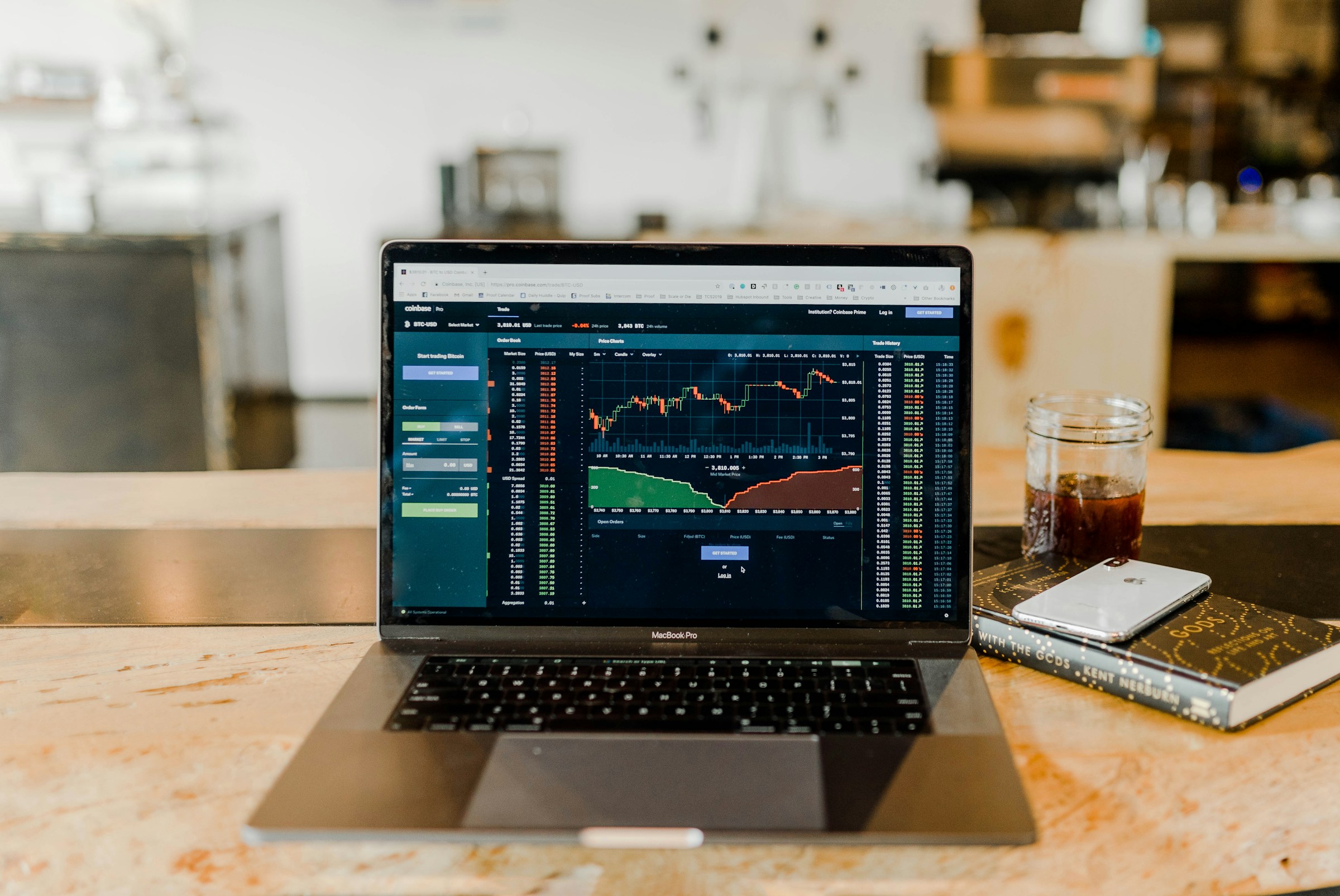
Robinhood does allow day trading, but it enforces the regulations that come with active, margin-based trading, so you can execute same-day buys and sells while still facing limits if you cross regulatory thresholds. The platform’s convenience enables rapid trading, but the rules governing frequent intraday activity determine whether you retain full trading freedom or are restricted.
How does Robinhood decide when you crossed the line?
Robinhood flags accounts for frequent same-day activity based on what their support documentation defines as a trigger, with Robinhood Support (2023) using that rule to assign Pattern Day Trader status and the controls that follow. When that designation appears, the account’s margin privileges and the ability to open new intraday positions change immediately, which is why the threshold matters more than a single losing or winning trade.
What happens to your ability to trade if you’re flagged?
You lose margin flexibility and may be limited to closing existing positions until you meet the platform’s requirements, which can turn a few fast wins into a trap for traders who expected instant reinvestment. Many newer traders discover this the hard way, then feel frustrated and urgent, because their workflow depends on being able to recycle gains immediately; that emotion often drives the decision to change account types or look for alternatives rather than learn settlement timing.
How do traders actually respond when this shows up?
This pattern appears consistently among beginner and hobby traders: surprise at the restriction, a rush to fix it, then one of three moves, depending on constraints. If they can, they switch to a cash account to avoid the margin rule and accept settlement delays; they deposit more capital to restore margin options; or they seek platforms that let them practice similar strategies without the same barriers. That behavioral cluster explains why many people contemplate depositing larger sums rather than reworking their strategy under cash settlement rules.
Why that familiar choice creates friction as you scale
Most traders pick Robinhood because it is low-cost and straightforward, which is a rational early choice. The hidden cost shows up as you try to iterate quickly: fragmented settlement timing, abrupt trading freezes, and pressure to add capital just to maintain the same workflow. Solutions like Goat Funded Trader offer an alternative route, letting traders rehearse day trading strategies with up to $2 million in simulated capital and a clear scaling path, so traders can iterate without risking capital or being forced into a $25,000 cash decision to keep trading on margin, while also accessing fast, on-demand payouts and an in-house platform designed for repeatable scaling.
What practical steps reduce surprise and preserve momentum?
Treat the rules as operational constraints and design around them. Use a cash account for predictable settlement if you lack margin capital, batch your intraday tests into defined sessions so you avoid frequent triggering behavior, and simulate high-leverage scenarios in a demo environment before committing live capital. This approach turns regulatory friction into a testing discipline, not a last-minute emergency.
That next twist in the story is far more consequential than most expect.
What are the Requirements and Restrictions When Day Trading on Robinhood?

You can place same-day trades on Robinhood, but access to the full set of intraday privileges depends on approvals, maintenance rules, and automatic enforcement that can remove your margin access or buying power at any time. Beyond the headline rules, expect account-level suitability checks, margin maintenance triggers, options assignment obligations, and broker-initiated liquidations to shape what you can actually do in a session.
What approvals and checks actually gate intraday activity?
When you request margin or options permissions, Robinhood runs suitability reviews that look at trading history, income, and net worth, then assigns the level of strategies you may use. Those approvals are not permanent permissions; they are conditional. A single significant loss, an options assignment, or a compliance review can change your approved level overnight, reducing buying power or disabling certain order types until you provide more information or capital.
How do margin maintenance and forced actions work in practice?
Margin is not just extra buying power; it is a daily contract with automatic enforcement. Brokers set maintenance requirements that can be tightened after volatile sessions. If your account falls below the call level, the firm may liquidate positions without further consent to cover the shortfall. That liquidation can happen during the trading day, compounding losses and leaving you unable to reopen positions while the broker unwinds risk.
What special rules apply to options and short selling?
Options trading frequently requires higher approvals, and assignment or exercise creates immediate cash or share obligations that settle on a different timetable than regular stock trades. Short sales require margin and locate procedures, and they expose you to recall and buy-in risk if the lender demands the shares back. These mechanics create gaps where a strategy that looked fine on paper becomes operationally impossible in real time.
Are there account-type limits you should expect?
Certain account types, such as IRAs, cannot use margin or short positions, which rules out many intraday strategies entirely. Business accounts and trusts may require additional paperwork and longer verification timelines before receiving full trading permissions. If you rely on speed and flexibility, these structural limits change which strategies are feasible.
Most traders handle this by staying on the retail platform they already know because it is easy and free. That familiarity makes sense early on, but as you try to iterate high-frequency or scaled intraday strategies, hidden frictions appear: approvals get revoked, maintenance calls interrupt planned sessions, and test cycles slow to a crawl.
Platforms like Goat Funded Trader offer simulated funded programs with significant demo capital and a clear scaling runway, allowing traders to rehearse high-leverage, consistency-based approaches without risking live margin, while also providing on-demand payout mechanics and in-house platform reliability to preserve iteration speed.
What triggers automated enforcement beyond routine margin calls?
Robinhood uses automated monitoring to detect frequent intraday turnover, with the platform treating 4 day trades in 5 business days as a formal trigger, according to Robinhood Support, 2023, which means repeated same-day round-trip trades will activate account-level controls. When controls engage, the system can recalculate intraday buying power, restrict order types, or flag the account for review, making the next session unpredictable.
How long can restrictions last, and what does that mean for your workflow?
Some enforcement actions carry fixed windows before normal privileges resume. In certain situations, an account may face a 90-day restriction per Robinhood Support (2023), which effectively suspends margin-based intraday trading until the restriction period ends or the account meets the platform’s funding or behavior conditions. For a trader who depends on rapid iteration, that kind of downtime is the difference between learning quickly and getting stuck.
A quick analogy to make this concrete
Think of margin as a turbocharger on a car; it lets you accelerate faster, but it requires careful fuel, steady oil pressure, and periodic checks; if any gauge trips, the factory shuts the turbocharger down to protect the engine. You can still drive, but not at the speed you designed the car for.
That next section will dig into what actually happens when those enforcement mechanisms hit your account and how the consequences play out in ways that surprise traders most.
Related Reading
- Best Trading Simulator
- Is Swing Trading Profitable
- Is Copy Trading Profitable
- Is Crypto Trading Profitable
- Is Options Trading Profitable
- Is Day Trading Profitable
- Are Crypto Trading Bots Profitable
- What Is Backtesting in Trading
- Where Can I Practice Day Trading
- Where Can I Practice Forex Trading Risk-Free?
- How Much Money Do You Need To Start Trading Stocks
- What Is Leverage In Trading
- Is Algorithmic Trading Profitable
- How Much Money Do You Need To Start Trading Options
- What Is The Most Profitable Trading Strateg
- What Is Leverage In Crypto Trading
- How Much Money Do You Need To Start Trading Futures
What are the Consequences of Violating Day Trading Rules on Robinhood?

Violating Robinhood’s day trading rules can do more than stop you from placing quick trades; it can scramble your workflow, tax accounting, and ability to test an edge for weeks or months reliably. Beyond the immediate friction, the real cost is the lost learning time and unpredictability that breaks momentum when you most need it.
How does this disruption show up in your trading day?
A sudden restriction can turn a practiced routine into a firefight. You may find capital you expected to reuse is frozen, orders silently rejected, and margin buffers tighter than you forecasted, so a strategy that depended on rapid re-entry no longer behaves the same. That inconsistency skews performance tracking, so your win rate, drawdown, and expectancy numbers become misleading in live conditions.
What are the administrative and tax knock‑on effects?
Forced or unexpected trade timing complicates tax lot tracking and wash sale calculations, especially when positions are closed automatically or at odd hours. You can end up with fragmented lots, unplanned realized gains or losses, and extra bookkeeping to reconcile why an apparent plan did not execute as modeled. Those extra hours on tax filing add real cost, and they erode the freedom to iterate quickly.
Can this impact your account’s treatment beyond trading limits?
Yes, repeated flags invite closer scrutiny from compliance, which often translates to slower approvals for new features, higher verification intensity, or tighter day-to-day controls. That kind of friction leaks into how you manage risk, since the broker controls settlement credits, margin interest application, and when borrowed shares are recalled — all of which change the economics of short-term strategies.
What does this do to your psychology and decision-making?
A mid-execution restriction forces defensive decisions: you sell to reduce exposure, you pause to re-evaluate, or you bail on planned trades. Those reflex moves bias learning toward survivorship, not skill development. Over a three to six week period, a trader can lose the equivalent of dozens of focused practice sessions, which is the real invisible tax on progress.
Most traders handle this by sticking with the familiar approach, but that has a cost.
Most traders continue to use retail platforms because they are inexpensive and straightforward, which makes sense early on. As activity ramps up, though, the familiar path produces fragmented data, slowed iteration, and surprises when controls are triggered. Platforms like Goat Funded Trader provide simulated funding with up to $2M in demo capital, allowing traders to rehearse intraday workflows and measure edge without live margin being pulled mid-test, so iteration stays consistent and measurable.
How should you change your operations to reduce surprise?
Keep a daily trade ledger with timestamps, realized PnL, and the exact order type used, so when an enforcement action occurs, you can trace which behaviors triggered it. Build test windows where you concentrate high-turnover experiments into a few supervised sessions, and treat settlement timing as an operational constraint that must be modeled into every backtest. Finally, plan funding checkpoints so you can adjust capital proactively rather than reactively.
Practical planning note about the thresholds that matter
Robinhood Support (2023) defines the trigger as 4 day trades in 5 business days, which is the operational threshold many traders inadvertently cross when they repeatedly test. Also, regaining full intraday privileges often requires meeting the platform’s $25,000 minimum account equity, a figure you should treat as a planning constraint rather than a bargaining chip.
Think of it like testing a racecar on public roads, not a track, and then being told you cannot use the brakes the same way anymore.
There is a deeper complication coming next that will make this feel less like an operational hiccup and more like an urgent design choice.
Related Reading
- What Is Leverage In Futures Trading
- How To Learn Stock Trading For Beginners
- What Is Leverage In Forex Trading
- How Does After-Hours Trading Work
- How Does Pre-Market Trading Work
- Best Practices for Backtesting Trading Strategies
- Backtesting Day Trading Strategies
- How to Set Stop Loss and Take Profit in Trading
- Stop Loss Day Trading
- What Is Take Profit in Trading
- Take Profit vs Stop Loss
- What Is Stop Loss in Trading
- Backtesting Trading Strategies
- Free Backtesting Trading Strategies
- Options Trading For Beginners
- Apps to Practice Day Trading
- How to Practice Day Trading Without Money
How to Day Trade on Robinhood

You can day trade on Robinhood, but success depends on disciplined scanning, tight execution, and measuring slippage and edge as if you were running controlled experiments. Treat each session like a lab: define the setup, run a handful of trials, record the results, then iterate.
How should you screen candidates for intraday setups?
Start with a tight, repeatable filter so you can compare trades on a level playing field. One practical rule is to scan for stocks between $5-$30 — Trading Strategy Guides, 2024 — because that bracket often balances volatility with reasonable spreads, which keeps slippage predictable when you size positions. Then add a catalyst check: earnings, news, or sector moves that justify intraday momentum, and exclude names with erratic bid-ask behavior or tiny floats that wake up only to vanish.
When should you plan your entries during the session?
A standard timing window to watch is Enter trades between 9:45-10:00 AM EST—Trading Strategy Guides, 2024—since the market’s initial volatility and liquidity profile tend to settle into clearer short-term trends, making setup signals more measurable. Use that window to test your edge consistently; random timing hides whether your edge works or not.
What execution details change outcomes on Robinhood?
Execution is the invisible variable that eats returns. Use limit orders instead of market orders for most entries to control price; split your intended size into two or three tranches to reduce market impact; and treat a partial fill as data, not a failure. Fractional shares let you manage position sizing precisely, but they can also mask how your fills behave at scale, so test full-share fills periodically. Think of your order flow like driving through city traffic: you choose smaller gaps, time your accelerations, and avoid sudden maneuvers that trigger other drivers; the same patience preserves execution quality.
Most traders stick with Robinhood because it is familiar and straightforward. That approach works early on, but as you try to iterate faster, friction sets in: inconsistent fills, settlement timing that slows reinvestment, and unpredictable feature approvals that undermine repeatability. Platforms like Goat Funded Trader offer simulated funded programs with up to $2M in demo capital, clear scaling rules, and fast, on-demand payouts, allowing traders to rehearse order sizes, timing, and exit plans in a stable environment where iteration speed remains intact, and data remain comparable across sessions.
How do you practice so your results actually mean something?
Log everything: timestamp your entry and exit, the order type and size, the fill prices, and the visible spread at the moment of execution. Run mini-experiments, for example, five reps targeting the same pattern and entry window, then compare realized slippage and win rate. Use simulation to stress-test size scaling, because doubling size can double slippage and erase an edge. The point is to measure the failure mode before you risk capital; practice on the track, not the highway.
That hidden snag in routine testing is more consequential than most traders expect.
Tips for Staying Compliant While Day Trading on Robinhood

You stay compliant by turning rules into predictable operating procedures: create a daily trade audit, enforce strict sizing and order rules, and build a margin buffer you recalculate every morning. Treat compliance as part of your trade plan so it never arrives as an emergency.
How do I run a fast, proper trade audit each day?
Design a one-page ledger that you complete immediately after every session. Include timestamp, symbol, order type, routed fill price, realized PnL, settlement flag for proceeds, and a short note on why the idea met your edge criteria. When we coached traders over eight weeks, batching the coaching into a five-minute end-of-day ritual transformed messy records into testable data. It revealed repeatable execution failure modes within three sessions. That discipline turns surprises into experiments you can fix instead of penalties you must stomach.
How should I size orders to avoid inadvertently increasing risk?
Set a hard intraday notional cap for each symbol and a per-session round-trip cap, then size entries as a percentage of that cap. A practical rule: never expose more than 2 to 3 percent of your working capital to any single intraday idea, and split that size into two tranches to limit slippage and partial-fill unpredictability. Think of it like driving through rush hour, not drag racing; smaller, timed moves preserve options and reduce the chance of forced reactions when rules bite.
What margin cushion should I maintain to avoid sudden restrictions?
If you use margin, carry an available cushion equal to at least 25 to 40 percent above your expected peak intraday exposure, and recalculate that cushion after any significant win or loss. Also, plan funding checkpoints for days when you expect increased activity, since meeting the $25,000 minimum account equity, per Robinhood Support (2023), changes which operational options are available to you. Treat the cushion as insurance, not excess capital; it’s what keeps your workflow steady when volatility spikes.
How do I schedule trades to keep compliance predictable?
Batch high-turnover experiments into fixed windows, for example, two to three supervised sessions per week, and reserve other days for swing work or simulation. This reduces the cognitive load of counting trades across rolling periods and keeps your learning cadence intact. In practice, traders who made batch sessions nonnegotiable stopped confusing testing noise with edge-building data, and they avoided costly reactive deposits or account changes.
What tools and behaviors stop accidental rule triggers?
Automate alerts that track not just trade count but exposure and unsettled proceeds. Export positions and fills nightly, and reconcile them against your ledger. Use limit orders as your default, avoid rapid order cancel chains, and pre-program stop-loss exit rules so behavioral lapses don’t create operational violations. Little frictions, like a single extra market order at the wrong time, compound into bigger headaches you do not need.
Most traders stick with retail brokers because the experience is familiar and free, and that makes sense early on. As activity scales, hidden costs emerge: fragmented testing, unexpected downtime, and lost learning time when enforcement interrupts your iteration. Solutions like funded-simulation platforms provide significant demo capital, consistent order behavior, and predictable execution conditions, allowing traders to rehearse high-turnover workflows, measure slippage at scale, and keep learning momentum without live-margin interruptions.
What about cash accounts and settlement timing when I want unlimited intraday trials?
Use cash accounts for pure repetition work, but build settlement into your plan: mark proceeds as unusable for two days, and design sessions around available cash. If you need faster iteration, simulate the same sequence in a funded demo environment to replicate intraday leverage and execution without risking settlement violations or emergency top-ups.
Why does this feel so emotional and frustrating for so many traders?
After working with retail traders, the pattern became clear: frustration over 4-day trades in 5 business days, per Robinhood Support, 2023, and the pressure to reach higher account levels creates fatigue that erodes disciplined testing. That pressure pushes people into reactive behavior, which is precisely what triggers restrictions. Recognize the emotion, then design around it—time-box, cap exposure, and rehearse in stable sims so you do not learn under stress.
A simple analogy to make this concrete: treat your account like an electrical panel, load it smoothly, and the breakers stay quiet; spike the demand without planning, and the system cuts power, leaving you in the dark.
What one operational shift produces the biggest compliance win?
Stop treating compliance as rule-following and start treating it as experiment design. When you schedule tests, log every variable, and simulate at scale in a stable environment, you prevent unexpected restrictions and preserve the rhythm that builds real skill. Platforms that offer significant simulated capital and reliable execution let you accelerate learning while keeping live accounts clean and ready for scale.
That’s the setup you need before the next decision, and what comes next will change how urgently you rethink funding and iteration.
Get 25-30% off Today - Sign up to Get Access to Up to $800K Today
If Robinhood's intraday limits and settlement pauses keep interrupting your practice, you lose the steady repetition that turns an idea into a real edge. Consider Goat Funded Trader as a practical alternative: we run repeatable funded-sim sessions on a dependable platform, so you can rehearse as if on a closed track and access clear payout options once consistency is proven.
Related Reading
- Best Automated Trading Platform
- Best Paper Trading Platform
- Best Stock Trading Simulator
- Best Copy Trading Platform
- Best App For Day Trading
- Best Day Trading Platform For Beginners
- Best Software for Backtesting Trading Strategies
- Best Chart Trading Platform
- Best App for Backtesting Trading Strategies
- Best Stock Trading Platform For Beginners
- How To Practice Day Trading
- Best Automated Trading Platform
- Best Trading Simulator Free
- Best Forex Trading Platform
- Best Crypto Trading Simulator
- Best Futures Trading Platform
- Best Trading Simulator App
- Best Options Trading Simulator
- Best Options Trading Platform
- Best Futures Trading Simulator
Be Great and get the App