






Where Can I Practice Forex Trading Risk-Free? Top 10 Demo Accounts
Where can you practice forex trading risk-free? Check out the top 10 forex demo accounts to learn trading, test strategies, and avoid losses.


Learning forex feels risky when every trade can cost real cash. Where can you practice risk-free, with realistic market moves and no pressure? A Best Trading Simulator, backed by demo accounts, paper trading, market replay, and backtesting tools, gives you virtual funds to test entries, exits, risk management, and strategy ideas in an actual practice trading environment.
This guide highlights the top demo platforms and forex demo accounts, explains how to use simulated trading to build skills, and shows how to turn that practice into funded capital from prop firms. Goat Funded Trader offers a practical path with demo-style evaluations, practice accounts, and funded account options, so steady, disciplined practice on top demo accounts can lead to real capital.
Summary
- Demo practice is mainstream: over 50% of traders use demo accounts, and many platforms offer up to $100,000 in virtual funds. Therefore, your simulated notional should match the real position sizes you plan to trade.
- Trading outcomes are concentrated: 90% of new traders fail within the first year, and only about 5% consistently make profits, making disciplined, repeatable rehearsal essential before risking capital.
- Operational frictions break untested systems, so simulate slippage, partial fills, and latency, and require stability across at least 200 trades or three distinct market regimes before declaring a strategy repeatable.
- Focused, time-boxed practice matters. Traders who use demo accounts for at least 3 months show a 30% higher success rate. Run 90-minute execution drills, 60-minute reviews, and weekly stress tests to measure real progress.
- Demo-to-live transitions are fast: about 80% of demo users move to live trading within six months, underscoring the urgency to validate transferability rather than to accelerate overconfident live entries.
- Peer review and community benchmarking shorten feedback loops. With communities of 250,000+ traders and reports showing that 95% of demo users gain confidence, blinded reviews and percentile checks are potent tools for exposing blind spots.
- This is where Goat Funded Trader fits in; the prop firm provides simulated funded programs with access to up to $2M in capital, payout-on-demand mechanics, and community-backed metrics to bridge disciplined demo performance and withdrawable capital.
Top 10 Demo Accounts to Practice Forex Trading Risk-Free
.jpeg)
These ten demo accounts provide realistic, risk-free environments to practice different trading styles, from retail scalping to institutional algorithm testing. Choose the one that best matches what you need to learn next. Each platform has a distinct strength, and the smart move is to match the demo to a focused practice plan rather than try to master every feature at once.
1. IG
IG leads as a premier choice for forex demo accounts, offering a smooth simulated environment to explore its advanced platforms without financial exposure. Traders appreciate its robust setup that mirrors live conditions, ideal for honing skills across multiple asset classes. This broker stands out for reliability and comprehensive market access in practice mode.
Key Features
- Access to web, mobile, and MT4 platforms with unified login credentials.
- Realistic spreads starting at 0.91 pips on EUR/USD for standard accounts.
- Extensive educational resources and research tools are integrated into the demo.
- Support for forex, CFDs, options, and spread betting simulations.
- No time limit on demo usage, with easy transition to live accounts.
2. Interactive Brokers
Interactive Brokers excels for seasoned traders seeking a sophisticated demo that replicates its professional-grade Trader Workstation platform. The account provides deep market data and algorithmic testing capabilities, making it perfect for complex strategy development. Its high trust score and vast symbol range ensure credible practice sessions.
Key Features
- Advanced order types and API integration for automated trading tests.
- Real-time data feeds across 19,537+ tradeable symbols.
- Customizable dashboards and risk management tools.
- Multi-asset support, including forex, stocks, and futures.
- Unlimited virtual funds with historical data replay options.
3. Saxo
Saxo delivers award-winning platforms such as SaxoTraderGO and PRO through its demo, enabling users to test sophisticated tools in a risk-free environment. Regulated globally, it emphasizes precision execution and broad market coverage for strategic refinement. Traders value its professional-grade interface for realistic simulations.
Key Features
- Dual-platform access with advanced charting and analytics.
- Competitive EUR/USD spreads around 1.0 pip.
- Multi-asset trading, including forex, equities, and commodities.
- Customizable watchlists and automated alerts.
- Smooth demo-to-live account migration process.
4. CMC Markets
CMC Markets shines with its Next Generation platform in demo mode, delivering exceptional charting and analysis tools that mimic live trading dynamics. This setup allows users to experiment with technical indicators and order strategies across a wide range of forex pairs without any capital risk. Its strong regulatory backing adds credibility for serious practice sessions.
Key Features
- Over 170 technical indicators and 12 chart types for in-depth analysis.
- Real-time news feeds and Reuters-powered market insights.
- Pattern recognition software for automated trade signals.
- Mobile app with full desktop functionality mirrored.
- Unlimited demo duration with pattern-based drawing tools.
5. FOREX.com
FOREX.com provides a compelling demo powered by MT4 and MT5, featuring live market pricing to ensure authentic trading simulations. Traders can refine strategies on major, minor, and exotic pairs with professional execution speeds. Its long-standing reputation makes it a trusted option for risk-free platform familiarization.
Key Features
- MT4/MT5 support with Expert Advisors and custom scripts.
- Spreads from 0.2 pips on premium accounts in demo.
- 91 forex pairs plus metals and indices available.
- TradingView integration for enhanced charting.
- One-click trading and trailing stop capabilities.
6. Charles Schwab
Charles Schwab offers an immersive virtual trading space via thinkorswim, tailored for forex enthusiasts wanting advanced analytics in a no-risk format. The platform's depth supports paper trading with real-time data, ideal for building confidence before going live. Its integration with broader investment tools appeals to diversified portfolios.
Key Features
- thinkorswim desktop, web, and mobile access unified.
- 70+ forex pairs with customizable thinkScript studies.
- Advanced scanning tools and probability analysis.
- Live news streaming from CNBC and others.
PaperMoney mode with $100,000 virtual balance.
7. XTB
XTB stands out for its balanced demo on xStation 5, combining a user-friendly design with powerful features for all skill levels. It simulates realistic conditions, including variable spreads and execution, helping users master its proprietary tools securely. Global regulation ensures dependable practice environments.
Key Features
- xStation 5 platform with heatmaps and sentiment indicators.
- Ultra-fast execution under 30ms in demo tests.
- 48+ forex pairs plus crypto CFDs and indices.
- Correlation matrix and economic calendar built in.
- No expiry on the demo, with easy fund-simulation adjustments.
8. Tastyfx
Tastyfx (by tastytrade) delivers a streamlined demo for active forex traders, emphasizing fast execution and low-latency simulations on its intuitive platform. Perfect for testing high-frequency approaches, it provides real-market depth without financial stakes. Its focus on U.S. traders adds compliant reliability.
Key Features
- Desktop and web platforms with customizable layouts.
- Competitive spreads on 20+ major forex pairs.
- Advanced order types like brackets and OCO.
- Real-time Level II pricing data.
- Integrated risk analytics and position sizing tools.
9. OANDA
OANDA is a powerhouse demo account on fxTrade and MT4/MT5 platforms, delivering hyper-realistic simulations backed by decades of market expertise. Traders leverage its precision pricing and no-requote policy to test strategies across 68+ currency pairs without risking a dime. Renowned for transparency and U.S. regulatory compliance, it builds unshakeable confidence in live transitions.
Key Features
- fxTrade platform with customizable workspaces and auto-charting.
- Spreads from 0.1 pips on majors, reflecting live conditions.
- Historical data back to 20+ years for strategy testing.
- API access for algorithmic trading development.
- Unlimited virtual funds with multi-account management.
10. FP Markets
FP Markets offers robust demos on MT4, MT5, and cTrader, with razor-sharp simulations that replicate its ECN-style execution for aspiring scalpers and day traders. This Australian-regulated powerhouse provides deep liquidity access and low-latency practice across 70+ forex pairs, ensuring strategies perform as they would in live markets. Its versatility makes it a fresh, credible option for skill-building with no capital commitment.
Key Features
- Triple-platform support with algorithmic trading compatibility.
- Spreads from 0.0 pips via raw ECN pricing in demo.
- 10,000+ instruments, including forex, shares, and commodities.
- VPS hosting simulation and one-click trading tools.
- 24/7 demo access with real-time economic event impacts.
A practical drill you can use across demos
Treat each demo like a sandboxed experiment: pick one metric to improve per week, for example, execution slippage or trade duration, run that single experiment across three different demos, and keep a log with timestamps and checklist failures. That discipline turns demos into training modules and forces you to learn transferability, not just platform familiarity.
Think of these demos like areas at a training complex, each built for a different skill. Try them with purpose, measure what breaks, and design your next practice session around the failures you record.
The next issue is trickier than it looks and will change how you practice.
Related Reading
- Best Trading Simulator
- Is Swing Trading Profitable
- Is Copy Trading Profitable
- Is Crypto Trading Profitable
- Is Options Trading Profitable
- Is Day Trading Profitable
- Are Crypto Trading Bots Profitable
- What Is Backtesting in Trading
- Where Can I Practice Day Trading
- How Much Money Do You Need To Start Trading Stocks
- What Is Leverage In Trading
- Is Algorithmic Trading Profitable
- How Much Money Do You Need To Start Trading Options
- What Is The Most Profitable Trading Strategy
- What Is Leverage In Crypto Trading
- How Much Money Do You Need To Start Trading Futures
Why Is There A Need To Practice Forex Trading Risk-Free?

Practicing forex risk-free is nonnegotiable if you want repeatable results, not lucky streaks. Risk-free simulations let you convert ideas into muscle memory, expose fragile rules under real conditions, and stop small mistakes from becoming account-ending losses.
What breaks when traders skip disciplined practice?
Skipping structured demo work turns predictable errors into fatal ones. After coaching dozens of new traders over eight weeks, the pattern became clear: most failures stemmed from operational mistakes, not market theory—bad position sizing, misinterpreted margin, and panic exits during volatility. Those are fixes you can teach and rehearse; they are not things you discover for the first time with real money.
Why does a rehearsal environment matter for behavior change?
A simulation forces you to follow a process under pressure, so habits form where choices stick. Traders who treat the demo like a live account learn to respect execution timing, stop placement, and trade sizing. That steady rehearsal reduces emotional reactivity, which is why many traders report a calmer mindset and better discipline after months of focused practice rather than a few lucky weeks of winning trades.
How urgent is this to fix, in plain numbers?
That urgency is visible in complex numbers; 90% of new traders fail within the first year — IG Bank Switzerland. When you follow that statistic through to what it costs — time, confidence, wasted capital — you see why testing until rules survive real conditions is not optional. Later-stage survivorship is narrower still; only 5% of traders consistently make profits — IG Bank Switzerland. That gap is the reason disciplined, measurable practice separates hobbyists from professionals.
What should you train for, specifically?
Train for transferability, not vanity metrics. Pick three operational goals to improve each week, for example, execution latency, adherence to position-size rules, and stop placement discipline, and keep a timestamped log of every trade for at least 30 sessions. Measure behavior, not only PnL. If your process withstands random news spikes and two distinct market regimes in simulation, it is likely to withstand the psychological squeeze of real capital.
Most people do the familiar thing, then wonder why the skill never scales
Most traders run ad hoc demo sessions because they feel familiar and require no new workflow. That works at first, but as you scale, gaps appear: inconsistent rule-following, no objective proof of repeatability, and long delays before any real capital is available.
Platforms like Goat Funded Trader provide an alternative path, offering simulated funded programs with on-demand payouts and community-backed metrics so traders can validate repeatable performance faster while keeping personal capital out of the line of fire.
Think of it like flight training: you can memorize procedures, or you can log hours in a simulator until every emergency is reflex. The second one is survivable; the first is a gamble.
That next question highlights a technical detail most traders miss—and it changes everything about practice.
What is a Forex Demo Account, and How Does It Work?
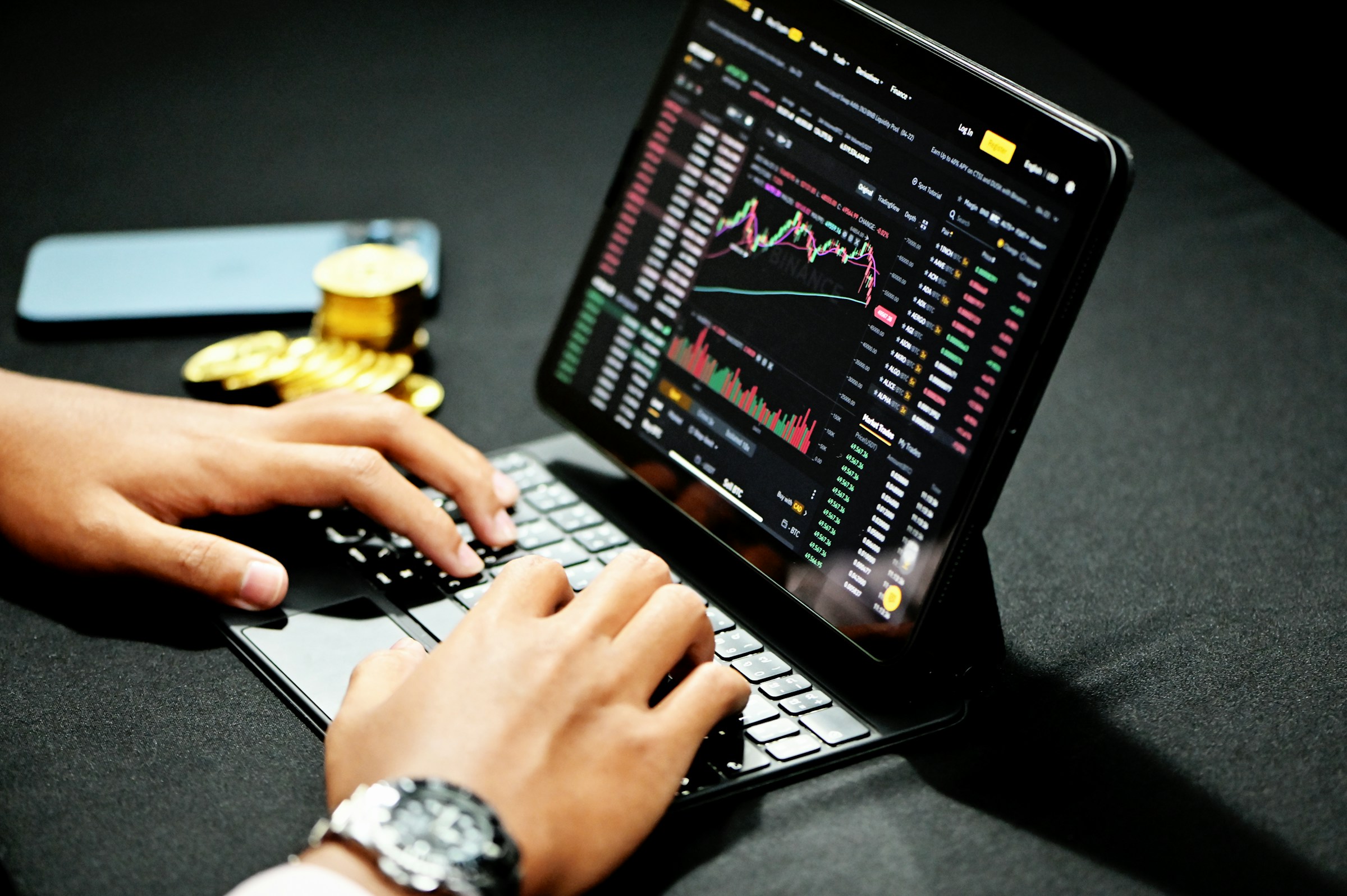
A demo account functions as a controlled practice lab where you run repeatable experiments on execution, risk management, and decision rules without risking real capital. It connects you to live market data while allowing you to adjust variables, trigger failure modes, and measure the specific behaviors you want to improve. Use it deliberately, not as a scoreboard.
How do you force realism into a simulated trade?
If you want transferability, you must add the same frictions that break most accounts: slippage, wider spreads, partial fills, and random execution delays. Practically, that means recording expected fill prices before you execute and then logging the actual fill, replaying sessions at higher speed to compress volatility exposure, and intentionally widening stop levels by the average spread you would see on a live account during news. Treat these adjustments as you would adding resistance training to a workout: your reflexes develop under strain, not only when conditions are easy.
What objective signals tell you the demo is teaching the right lessons?
Measure process over vanity PnL. Track expectancy, average reward to risk, consecutive-loss streaks, max drawdown in percent, slippage per trade, and the time between signal and execution. Tag each trade by decision type and emotional state, then audit two metrics weekly: trades that violated your plan, and trades where execution differed from the plan. Require stability across 200 trades or three distinct market regimes before you call the strategy repeatable.
Why do most demo-to-live transitions fail, and how do you avoid that trap?
This problem appears across both new and returning traders, where simulated wins create false confidence because emotional stakes are missing, and fills look cleaner than reality. According to Admiral Markets, over 90% of traders start with a demo account, underscoring how common it is to use a demo as a first step. Yet that familiarity can obscure the gap between practice and real-world consequences. Also, Admiral Markets reports that 80% of traders using demo accounts transition to live trading within 6 months, a speed that makes disciplined transfer techniques essential if you want those transitions to succeed rather than merely accelerate failure.
What does a better bridge from demo to funded capital look like?
Most traders manage simulations as free experiments because they are familiar with them. That works early, but as you scale, the familiar approach fragments into scattered evidence of repeatability and no clear path to meaningful capital. Solutions like Goat Funded Trader provide access to up to $2M in simulated capital, a payout-on-demand model, and a community of 250,000+ traders, enabling traders to validate consistency under realistic constraints while protecting personal capital and compressing the time between disciplined practice and meaningful, withdrawable rewards.
How should you structure practice blocks so progress is measurable?
Use focused, time-boxed drills: 90-minute execution sessions where you only place market or limit orders without judging PnL; then a separate 60-minute review to annotate screenshots, note cognitive mistakes, and adjust rules. Alternate these with weekly stress tests during scheduled high-volatility windows to measure behavior when the stakes are highest. Finish each week with a three-metric report: process adherence, fill quality versus expectation, and drawdown recovery time, then set one single improvement objective for the next week.
How do peers and accountability accelerate real-world transfer?
Pair your journal with an external audit. Share 10 trades with a trusted reviewer each week and ask two blunt questions: Did the execution match the plan, and would you have taken this trade with real capital? Community feedback shortens feedback loops and exposes blind spots faster than solo practice, which is why structured communities and funded programs matter when you want validation that goes beyond self-report.
That apparent progress feels like momentum until a hidden friction point surfaces, one that can derail even the most disciplined trader.
Related Reading
- What Is Leverage In Futures Trading
- How To Learn Stock Trading For Beginners
- What Is Leverage In Forex Trading
- How Does After-Hours Trading Work
- How Does Pre-Market Trading Work
- Does Robinhood Allow Day Trading
- Best Practices for Backtesting Trading Strategies
- Backtesting Day Trading Strategies
- How to Set Stop Loss and Take Profit in Trading
- Stop Loss Day Trading
- What Is Take Profit in Trading
- Take Profit vs Stop Loss
- What Is Stop Loss in Trading
- Backtesting Trading Strategies
- Free Backtesting Trading Strategies
- Options Trading For Beginners
- Apps to Practice Day Trading
- How to Practice Day Trading Without Money
What Should You Look For In A Forex Demo Account?

You should judge a forex demo account by whether it can break your rules in rehearsal, not by how many virtual pips you rack up. Aim for demonstrable execution fidelity, stretch-testing under realistic capital conditions, and statistical evidence that your process survives stress and scale.
How can you test execution fidelity?
Run repeatable micro-experiments, timing order placement to fill, and recording the difference between the intended price and the actual fill. Compare market and limit fills over several hours, log requotes, and, if the platform API is available, measure round-trip latency. If fills look unrealistically clean or fills never miss during thin markets, the demo is training the wrong reflexes.
What statistical proof shows that a demo result is meaningful?
Don’t settle for a lucky streak. Use bootstrap resampling or sequential tests to estimate the confidence interval around your edge, and require a stable profit factor and a Sharpe-like ratio above thresholds you set before trading live. Treat the demo like a lab: define a null hypothesis that your system has no edge, then collect data until the test rejects it at, say, 95 percent confidence. That turns PnL into a decision rule, not a story you tell yourself after a good week.
Should your virtual capital match real plans?
Match notional size and leverage to the account you intend to trade, because position-sizing changes behavior, margin calls, and execution quality. Platforms that follow the guideline that A demo account should offer at least $50,000 in virtual funds. — Forex Demo Account Features let you test scaling effects on drawdown and stop placement without distorting risk per trade. If your live plan involves five-figure positions, practice with equivalent virtual exposure so your stops, lot sizing, and psychological thresholds are authentic.
How do you inject realism so the demo exposes weaknesses?
Add friction deliberately: widen stops by realistic spread margins, force partial fills in your journal, and simulate news spikes by replaying high-volatility minutes at 2x speed. This is like lifting heavier weights to build strength: if your rules fail under added load, you discover the failure before real money is at risk. The standard failure mode I see is demos that reward sloppy execution, which then collapses under real spreads and slippage.
What behavior traps should you watch for?
This pattern appears across onboarding and live execution: traders get comfortable with flawless demo fills, then panic when live fills differ. That mismatch breeds wasted time relearning basics and erodes confidence. During our six-week audit of trader workflows, the most consistent failure stemmed from operational friction, not market theory, so you must test the process under stress, not rely solely on chart signals.
Most teams treat demos as free practice, which works early on, but as scale and complexity grow, the familiar approach creates hidden costs, wasted time, and false confidence. Platforms like Goat Funded Trader provide an alternative path, offering simulated access of up to $2M, a payout-on-demand model, and community-backed metrics that let traders validate consistency under realistic constraints while keeping personal capital safe.
A final reality check, not a pep talk: only 10% of traders are consistently profitable — Forex Trading Statistics, which is why your demo must force accountability before you scale.
That seems like enough to act on, until you see the single operational trick that separates practiced winners from weekend dabblers.
How To Use A Forex Demo Account Effectively?

Treat the demo as a measurable experiment, not a scoreboard: design specific pass/fail tests, collect objective signals of process fidelity, and only scale when those signals remain stable under added friction. Run time-boxed trials with clear stop rules, then force failure modes to identify which parts of your process break first.
What does a rigorous pass/fail demo test look like?
Start with a hypothesis, then prove or reject it. Define three concrete success criteria, for example, a minimum trade-to-plan adherence rate, an execution-slippage ceiling relative to average true range, and a maximum consecutive-loss tolerance, each measured across a fixed sample window of calendar days. Require the system to meet all criteria in two different market regimes, for example, a quiet 10-day window and a high-volatility 10-day window, before you declare the test passed.
How do you create realistic stress without risking capital?
Add controlled friction to the simulation: script randomized latency, widen spreads by the average live spread during news, and force partial-fill scenarios through API replay tools, so your execution logic must handle imperfect fills. Pair each stress session with an accountability check, a short debrief, and one concrete rule change to test next, so every failure produces an experiment rather than an excuse. Sustained practice pays off, Edge-Forex. Traders who practice on demo accounts for at least 3 months have a 30% higher success rate.
When the familiar approach starts to hide the real cost
Most traders run open-ended demo sessions because they are low-friction and feel productive. That familiar approach fragments evidence of repeatability as scales rise, leaving you with many virtual wins but no validated path to meaningful capital. Solutions like Goat Funded Trader offer simulated funded programs with large notional access, payout-on-demand mechanics, and community-backed performance metrics, enabling traders to compress validation cycles and move from rehearsal to withdrawable rewards without exposing personal capital.
Which metrics best predict live performance?
Measure behavior, not just profit. Track (1) plan adherence, the percent of trades executed precisely as rules specify; (2) execution delta, the mean difference between intended and actual fill normalized to ATR; (3) decision latency, the median seconds from signal to execution for intraday systems; and (4) recovery time, how many trading days it takes your equity to return to breakeven after a drawdown. Require each metric to remain within your tolerance band in rolling 14- and 30-day windows before increasing position size or attempting a live transition.
How can peer benchmarking and structured feedback speed transfer?
Use blinded peer reviews and percentile benchmarking to break confirmation bias. Share ten annotated trades weekly with two reviewers, record two blunt questions per trade, then compare your execution delta and adherence rate to community percentiles to see if your edge stands up. That external lens exposes overconfidence and accelerates the behavioral changes that demo PnL alone cannot force. Confidence rises with disciplined practice. T4Trade Team: 95% of traders using demo accounts report increased confidence in their trading strategies.
A practical habit to lock this in
Run a 21-day escalation ladder: start with pure simulated drills for seven days, add scripted execution friction for the next seven, then include blinded peer review and community percentile checks for the final seven. Treat each day as either green, amber, or red against your pass/fail criteria, and only move up the ladder when you post three consecutive green days under the current stress level. Think of it like progressive overload in training: add weight until the weakest link shows up.
That simple ladder works, until you hit the one operational detail most traders never test — and it changes how you grade readiness.
Get 25-30% off Today - Sign up to Get Access to Up to $800K Today
We know demo practice is the sensible first move, but the familiar path often stalls when you need repeatable funding and withdrawable rewards, leaving disciplined traders stuck in rehearsal. If you want to practice forex trading risk-free and convert consistent demo results into on-demand funded accounts, consider Goat Funded Trader, where you can bench-test rules under realistic execution friction and progress toward funded forex success on your timetable.
Related Reading
- Best Automated Trading Platform
- Best Paper Trading Platform
- Best Stock Trading Simulator
- Best Copy Trading Platform
- Best App For Day Trading
- Best Day Trading Platform For Beginners
- Best Software for Backtesting Trading Strategies
- Best Chart Trading Platform
- Best App for Backtesting Trading Strategies
- Best Stock Trading Platform For Beginners
- How To Practice Day Trading
- Best Automated Trading Platform
- Best Trading Simulator Free
- Best Forex Trading Platform
- Best Crypto Trading Simulator
- Best Futures Trading Platform
- Best Trading Simulator App
- Best Options Trading Simulator
- Best Options Trading Platform
- Best Futures Trading Simulator
Be Great and get the App