






Is Swing Trading Profitable? 10 Key Factors to Know
Is Swing Trading Profitable? Discover 10 key factors to improve trade execution and risk management with Goat Funded Trader’s demo that mirrors funded rules.


After a volatile week, market fluctuations prompt an evaluation of whether swing trading can transform uncertainty into steady returns. The Best Trading Simulator offers a risk-free space to test entries, exits, and risk management techniques while refining trade frequency, stop loss decisions, and reward-to-risk ratios.
Success in a simulated setting can pave the way for profitable live trading. Goat Funded Trader’s prop firm provides funded accounts and coaching that help traders manage real capital with clear risk strategies.
Summary
- Technical analysis dominates swing trading, with 80% of swing traders using charts and indicators like moving averages, RSI, and MACD, which creates clarity but also requires explicit rules about which signals to trust.
- Disciplined sizing is central, with common rules to risk no more than 1 to 2 percent of capital per trade while targeting at least a 2:1 reward to risk, a structure that prevents single losses from becoming account-destroying events.
- Short samples mislead performance assessments, since reported success rates cluster around 60 percent while variance only meaningfully falls after several hundred trades, so require large sample sizes and walk-forward validation before scaling.
- Set realistic return expectations, noting cited ranges such as 5 to 10 percent per month in favorable conditions and an approximate ceiling near 15 percent annually for well run approaches, which highlights that risk control and regime fit drive outcomes more than headline figures.
- Operational improvements matter most, with traders using backtesting reporting a 20 percent improvement in trade accuracy and automation shown to increase profitability by up to 30 percent through faster fills and fewer missed signals.
- Swing trading is a focused, part time discipline, typically requiring about 1 to 2 hours daily for scanning and journaling, and strategies should be stress-tested to survive the worst 10 percent of drawdown outcomes before increasing risk.
- Goat Funded Trader's prop firm addresses this by mirroring funded-account rules in simulated accounts and providing a structured progression so traders can validate consistency under realistic constraints.
What is Swing Trading and How Does It Work?
.jpeg)
Swing trading is a method that allows you to take advantage of medium-term price swings by using specific setup rules, strict risk management, and being consistent over time. Success comes not from finding a hidden indicator but from following entry triggers, managing position sizes properly, and timing exits well to keep losses small and gains large.
To enhance your trading experience, consider what a reliable prop firm can offer.
What tools do swing traders use?
Most active swing traders depend on price charts, trendlines, moving averages, RSI, MACD, and volume to decide when to enter and exit trades. This shows that technical frameworks are key for identifying setups, even though fundamentals matter for context.
This common reliance provides both understanding and a major risk: traders must set rules about which signals to trust and when to ignore them, as pointed out in Goat Funded Trader's guidelines.
How do traders keep one loss from turning into a catastrophe?
Successful swing traders treat each trade like a business. They define the entry, place a protective stop, and size the trade so the maximum risk stays a small percentage of the account. They also plan a target or trailing exit. A common rule is to risk no more than 1 to 2 percent of capital per trade while aiming for a reward that is at least twice that amount.
This approach encourages discipline and helps prevent emotional overtrading. This pattern is clear among both retail and funded applicants: without clear sizing rules, revenge entries after a loss can quickly add up and wipe out what was otherwise a good opportunity.
When does the market make that discipline useless?
Overnight gaps and earnings surprises can disrupt neat trading plans. Many traders often feel powerless in these situations. Losing money because of a gap can be tiring; because of this, traders might tighten their stops, only to get caught in unpredictable market movements. To manage this risk, it's best to avoid taking large positions before known events.
Instead, use smaller position sizes before weekends or think about using options for hedging when it makes sense. It’s helpful to practice these limits in a simulated environment, so you can get used to the decision-making process before risking real money.
Why practice in a simulated, scalable way rather than trading small live accounts?
Most traders start with simple paper trades because it feels easy and familiar. However, over time, this can create hidden costs. These costs include bad habits when under real stress, no way to grow capital, and a difference between practice conditions and real account rules. Platforms like Goat Funded Trader are designed to reflect the limits of funded accounts while keeping simulated capital and quick payout options. This gives traders a clear way to show they can be consistent and improve their performance without mixing practice with luck.
How realistic are prospective returns, and what should you expect?
Some sources say what might happen when using swing strategies in good conditions. They describe returns as a possible range instead of a certain amount. This shows how much results depend on risk control, market regime, and trade frequency. Think of that range as a number showing the best performance, one you could achieve when strategy, capital, and discipline come together, not as a basic goal for beginners.
What separates repeatable winners from smart guessers?
Repeatable winners build rules that last even during tough times; they keep a trading journal and improve step by step. A helpful image is surfing: you watch the tide, choose the wave with the right shape, paddle hard when the wave starts, ride it until the energy is gone, then paddle back out to look for the next one. This rhythm changes single wins into a compounding process.
This simple idea sounds easy until you see how emotion, gaps, and scaling friction can interfere with it in real situations.
Swing trading is a strategy that involves holding onto investments for a short period of time, usually from a few days to a few weeks. This method seeks to take advantage of price changes in stocks and other assets.
Traders who focus on swing trading aim to capture short-term gains by entering and exiting positions at the right times. Many swing traders use technical analysis to help them make informed decisions about when to buy and sell.
Related Reading
- Best Trading Simulator
- Is Copy Trading Profitable
- Is Crypto Trading Profitable
- Is Options Trading Profitable
- Is Day Trading Profitable
- Are Crypto Trading Bots Profitable
- What Is Backtesting in Trading
- Where Can I Practice Day Trading
- Where Can I Practice Forex Trading Risk-Free?
- How Much Money Do You Need To Start Trading Stocks
- What Is Leverage In Trading
- Is Algorithmic Trading Profitable
- How Much Money Do You Need To Start Trading Options
- What Is The Most Profitable Trading Strategy
- What Is Leverage In Crypto Trading
- How Much Money Do You Need To Start Trading Futures
Is Swing Trading Profitable?

Yes. swing trading can make money for traders who approach it as a consistent, repeatable method instead of just a series of lucky bets. However, many traders still find it hard to make it a steady source of income each year. To be profitable, you need a reliable edge, disciplined execution, and a way to grow both your capital and payouts, so that your winning streaks can build on each other instead of coming to a stop. Additionally, partnering with a reputable prop firm like Goat Funded Trader can provide the support and resources you need to enhance your trading potential.
What really distinguishes the winners from everyone else?
When looking at the performance of applicants across multiple evaluation windows over 12 months, a clear pattern emerged: the top tier generated steady, positive returns, while most others produced noisy and inconsistent results. This difference wasn't due to a single indicator or a special strategy; it involved overcoming three key challenges at once: having a measurable edge, being able to execute trades consistently despite slippage and fees, and having the discipline to stick to the same rules even during times of losses. Expectancy math is very important, but the size of your sample also matters. A 60 percent win rate over 20 trades is not the same as having a 60 percent win rate over 200 trades.
How much time does real swing trading demand each day?
The practical workload for swing trading is smaller than that of full-time intraday trading, but it still needs certain skills and discipline. Typical activities include morning scanning, checking a watchlist, placing orders, and journaling at the end of the day. Forbes notes a typical routine of 1-2 hours daily, showing focused preparation instead of just random tinkering.
This time is important for turning a backtested rule into a habit: traders need to review setups, size their positions as per their plans, and write down their reasons for entering trades. This practice helps in spotting mode drift during reviews later.
Why do small accounts rarely scale into sustainable trading businesses?
Most traders start where it feels least risky: with tiny live accounts or casual paper trades. Although this standard route works at first, it has hidden costs that come in two forms: timing and behavior. As traders try to grow their position sizes, issues can arise from commissions, slippage, and tax treatment, which can affect returns. Moreover, behavioral responses to real money can exacerbate mistakes.
Platforms like Goat Funded Trader face that friction directly. They imitate funded-account rules in a simulated environment, offer a structured scaling program, and allow quick, on-demand payout pathways. This helps traders to check their performance under realistic constraints instead of false comfort. Such an approach keeps learning curves steep but controlled, ensuring that good sequences build up instead of breaking at the first scaling step.
What breaks a strategy that looked great on paper?
Overfitting, small sample sizes, and missed market changes are common problems. A backtest that works well for one type of market volatility will struggle when volatility increases or when liquidity decreases. This issue is often discovered only after real losses occur.
The answer involves setting restrictions: require walk-forward validation, set a minimum number of trades before scaling up, and have a regular review process that connects changes to measurable results. Think of it like aircraft maintenance: preventive checks must be performed, every unusual event is documented, and procedures are changed only when supported by data, never based on the success of a single flight.
How to handle frustration in trading?
It’s exhausting when traders rely only on gut feelings. Watching a single untested change undo months of hard work is a common source of frustration. Managing this emotion is as much an operational design problem as it is a mental one.
Can swing trading generate profits consistently?
As StockGro Blogs argued in 2025, "Swing trading can generate profits when it is done with a tested strategy, discipline, and proper risk management." This statement is clear and correct.
However, the leading question traders must face is not whether swing trading can be profitable, but how to overcome the hidden problems that prevent it from being consistently successful.
What are the surprising forces that shape profitability?
This inquiry leads to another critical question about the forces that truly shape profitability. These factors are often more surprising than one might expect.
Factors Influencing Profitability from Swing Trading
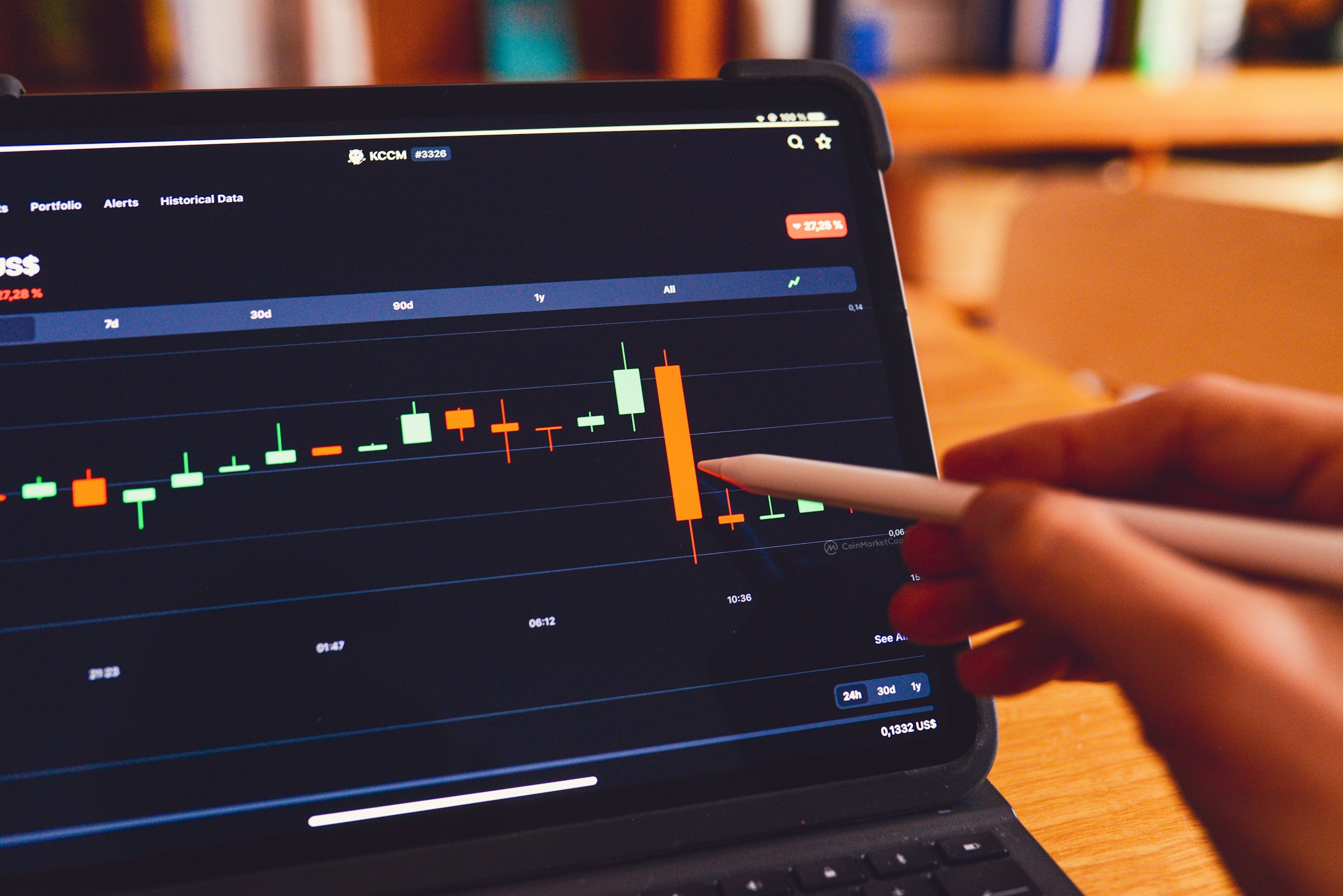
Profitability depends on having a measurable edge, adhering to a disciplined approach, and managing unexpected events that can affect real-world strategies. Research shows that swing trading strategies can yield an average annual return of 15%. The article "Factors Influencing Profitability from Swing Trading" presents a realistic limit for well-managed strategies under favorable conditions.
To trust the numbers, you need to have a solid number of trades. If decisions are made based on only 30 or 50 trades, luck can be more important than skill. Evidence based on patterns indicates that the variation in results declines only after several hundred trades. It's essential to set a minimum number of trades and to use walk-forward validation before claiming a rule is profitable. Studies show that the success rate of swing trading strategies is approximately 60%. This indicates that even a good strategy can struggle with short samples. Therefore, tests should be designed to identify the signal from noise and measure expectancy, rather than focusing solely on win rate.
What breaks a setup faster than market noise?
What breaks a setup faster than market noise? Corporate events, especially dividend dates and ex‑dividend adjustments, do.
This happens in both ETFs and single‑stock movements: a clean setup appears broken when a stock gaps down to show a dividend; traders panic and add to losing trades; and the original advantage disappears. It is tiring and confusing for traders who do not track event windows, and emotional misunderstandings often turn a slight, manageable loss into a bigger problem.
When trading names that pay dividends, treat the ex‑dividend window as a significant change. You can either reduce your position size during that holding period or exclude those dates from your entry rules so automatic price changes do not lead to errors.
How should you test for regime robustness?
Testing for regime robustness involves conducting experiments at specific limits. If the method is meant to capture trending moves, it is essential to run separate tests for months with low, medium, and high volatility. If a process is successful only in one situation, it should be labeled as conditional and require adaptive sizing.
Also, it is crucial to monitor friction metrics such as realized slippage, commission drag, and the frequency of overnight gaps. Scale rules only when they pass a defined stress test, such as the worst 10 percent of outcomes by drawdown. This process is similar to stress-testing a bridge, focusing on its structural integrity rather than just making it look nicer.
How do you balance focus with diversification?
Balancing focus with diversification means seeing diversification as portfolio insurance instead of a creativity pass. Running two or three independent, well-tested setups that are slightly related can still give steady returns. However, spreading efforts across many untested ideas can weaken your advantage.
It's important to keep active setups limited to those with clear, measurable benefits and to control total exposure. This method helps make sure that a related shock doesn't erase gains. A helpful rule during testing is to limit new setups to one at a time and to require a fixed evidence threshold before adding another to the active list.
What habits separate repeatable winners from hopeful tinkers?
What habits set repeatable winners apart from hopeful tinkerers? Winners track micro-metrics, not just profit and loss. They note their entry rationale, market regime label, closeness to corporate events, slippage, fees, and their emotional state before each decision.
One helpful practice is to conduct a monthly black-box review where the results are not considered, but the focus is on whether the trade still follows the documented rules. This habit changes personal judgments into accountable updates, like a pilot reviewing black-box data to fix a repeat system issue.
Related Reading
- What Is Leverage In Futures Trading
- How To Learn Stock Trading For Beginners
- What Is Leverage In Forex Trading
- How Does After-Hours Trading Work
- How Does Pre-Market Trading Work
- Does Robinhood Allow Day Trading
- Best Practices for Backtesting Trading Strategies
- Backtesting Day Trading Strategies
- How to Set Stop Loss and Take Profit in Trading
- Stop Loss Day Trading
- What Is Take Profit in Trading
- Take Profit vs Stop Loss
- What Is Stop Loss in Trading
- Backtesting Trading Strategies
- Free Backtesting Trading Strategies
- Options Trading For Beginners
- Apps to Practice Day Trading
- How to Practice Day Trading Without Money
How to Increase Your Profitability in Swing Trading

Profitability rises when you make execution easier, validate a real edge under realistic conditions, and let winning sequences grow.
If you do these three things consistently, you can turn occasional wins into returns that compound without relying on hidden indicators.
To reduce execution friction and avoid missed fills, execution quality is a tradeable edge. Use limit orders with conditional time slices, spread large entries across liquidity windows, and calculate expected fill rates based on tick size and average daily volume.
Think of execution like pit stops in auto racing; if you shave half a second off each stop, it can change a decent lap into a podium finish. Also, model slippage for each venue in your simulator and see odd fills as data to improve order-routing rules, not just noise to ignore.
What does rigorous testing actually look like?
Treat backtesting as an engineering test bench, not just a way to feel more confident. It should include bar-by-bar simulation, out-of-sample walk-forward runs, Monte Carlo scenario checks, and transaction-cost overlays that consider the worst-case fills and overnight gap frequencies.
This careful method shows how your tests perform under realistic frictions, rather than relying only on perfect historical moves.
When should you automate, and what should stay human?
Automate repetitive, time-sensitive tasks that are very important to do on time. These tasks include signal scanning, sizing calculations, order submission, and rule-based scaling. The parts that require judgment should still be made by humans, such as assessing macro surprises or unusual corporate events.
It's essential to set clear rules for how to react to those events so that emotions don't affect what happens next. A good middle ground is to use automation for consistency, while still allowing humans to have the final say during significant changes. This method helps your system stay disciplined, while giving some flexibility for real exceptions.
How can using a trading platform help?
Most traders start by practicing in spreadsheets and manual logs. While this familiar approach works at first, problems increase as they try to grow. Inconsistent fills, undocumented rule changes, and behavioral drift can all cause profit losses.
Platforms like Goat Funded Trader mimic funded-account limits, providing realistic simulated accounts, automatic rule enforcement, and scalable growth. This helps traders identify and resolve those issues before real money compounds their mistakes.
How should you size and scale your trades?
Utilize volatility-adjusted sizing and a limited Kelly approach. This means setting a cap on the portion of Kelly used and a maximum position limit based on correlation buckets. Scale up winners by using pre-mapped exit tranches rather than making decisions based on greed.
When a position reaches a defined profit zone, it's essential to reduce risk rather than increase it. Then use a trailing stop to capture any additional profits. Implement portfolio-level drawdown guards that temporarily pause adding new setups after consecutive losses. Also, ensure there is a minimum trade count or a positive expectancy time frame before increasing the risk per trade.
Which habits actually move the needle?
This challenge is common among new traders and funded applicants: having only basic knowledge can create a false sense of readiness, and emotional bias often happens when traders skip disciplined reviews.
To fix this, keep a trade log that captures entry reasons, realized slippage, market regime labels, and emotional states for each trade.
Conduct a monthly blind review in which you evaluate trades based on adherence to the rules rather than outcomes. Also, commit to structured learning. For example, finish one advanced course or a focused webinar every quarter. This will improve pattern recognition through carefully varied market regimes.
What practical checklist can you act on this week?
Add venue-level slippage to your simulator and rerun the last quarter of trades. Convert one discretionary rule into an automated check, then run it in a simulated funded environment for 30 trades. Build a black-box review that flags setups straying from documented parameters. These steps help reduce the hidden costs that erode small edges into losses.
What is Goat Funded Trader?
Goat Funded Trader is a prop firm that gives you access to simulated accounts up to $800K, with trader-friendly rules, fast payouts, and a structured scaling path. This allows you to prove your consistency before real capital is increased. Join over 98,000 traders who have collected more than $9.1 million in rewards, with customizable challenges or instant funding. Sign up to get up to $800 today with 25-30% off.
How does one tweak affect rules under stress?
The single tweak that allows rules to withstand stress is easier to implement than you might think.
This change fundamentally alters how profits compound, leading to significant shifts in outcomes.
Related Reading
- Best Automated Trading Platform
- Best Paper Trading Platform
- Best Stock Trading Simulator
- Best Copy Trading Platform
- Best App For Day Trading
- Best Day Trading Platform For Beginners
- Best Software for Backtesting Trading Strategies
- Best Chart Trading Platform
- Best App for Backtesting Trading Strategies
- Best Stock Trading Platform For Beginners
- How To Practice Day Trading
- Best Automated Trading Platform
- Best Trading Simulator Free
- Best Forex Trading Platform
- Best Crypto Trading Simulator
- Best Futures Trading Platform
- Best Trading Simulator App
- Best Options Trading Simulator
- Best Options Trading Platform
- Best Futures Trading Simulator
Get 25-30% off Today - Sign up to Get Access to Up to $800K Today
If you have built disciplined swing routines in demo accounts but find yourself stalling when it's time to scale or collect payouts, that familiar gap can steal momentum and add to your frustration. It feels like practicing laps without ever getting the keys to a racecar.
Platforms like Goat Funded Trader allow you to turn practice into real funding with simulated accounts of up to $800K. They offer trader-friendly rules, including no minimum targets or time limits, triple paydays, and up to 100% profit split. There is even a two-day payment guarantee with a $500 penalty for delays.
You can choose customizable challenges or instant funding, so you can sign up to access up to $800K today with 25 to 30% off.
Be Great and get the App